When Do You Stop Filming?
Documentary Notebook is a weekly newsletter for people interested in the state of the genre, people behind the camera, and the process of making documentaries.
Most documentary filmmakers will be familiar with this problem which is akin to the painter who better stop fussing with the artwork before it gets worse: filming events unfolding over time that have no certain conclusion. How do you know when the story is really over?
Untitled Tom Girardi Film
The culminating event in the Girardi story, as with most true crime, is the trial, verdict, and sentencing — with a final text card that goes something like this:
He’s now serving a sentence of eight years in a federal penitentiary.
That ought to be the conclusion of this film.
Or should it?
What if Girardi were to agree to sit for a prison interview? Might that be the end worth waiting for? Landing a neat confession?
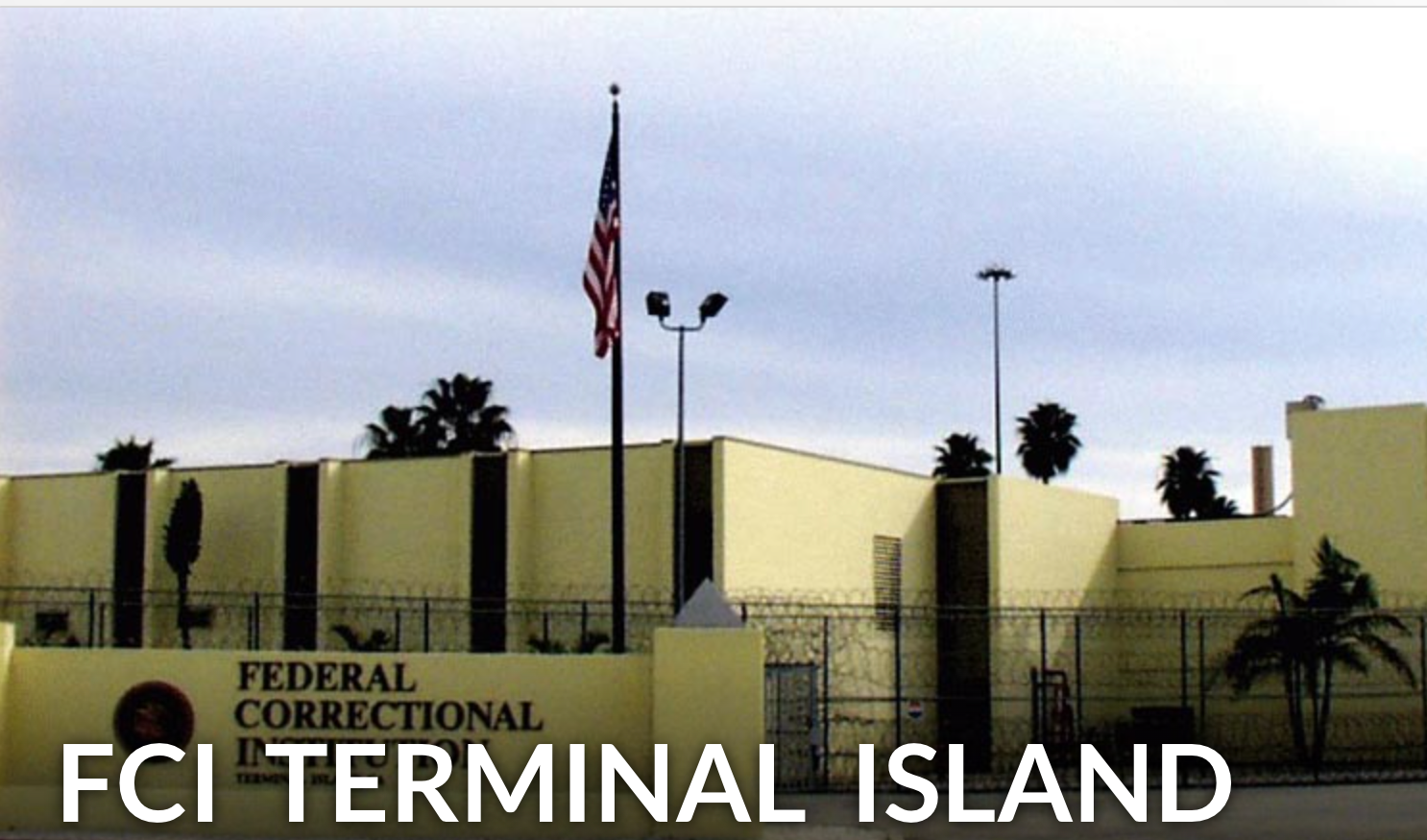
Girardi has not yet agreed to the interview, so that’s moot for now. But I'm still trying.
There there’s the upcoming trial of Girardi’s wife Erika which is scheduled for May.
The bankruptcy trustee, Elissa D. Miller of Greenspoon Marder LLP, sued Erika to claw back $25 million of what she says are ill-gotten gains. Miller drew wide media attention when she demanded Erika return $750,000 diamond earrings husband Tom bought her illegally, using client settlement funds for the purchase.
I actually went to the M&M Jewelry store in downtown LA where Girardi bought the earrings, and filmed there. But that’s for another newsletter.
Erika’s attorney Evan Borges, whom I’ve interviewed multiple times, demanded a jury trial. It will be tempting to go film that circus if Erika doesn’t first settle with the Trustee.
Content, financing, and distribution are all in play
Two major streamers told me if I got Erika on camera they’d come onboard with financing and distribution.
After all, Jennifer Lawrence, Howard Stern, and millions of others on social media were captivated by Erika’s involvement, and possible culpability, in this scandal.
But I have a nagging doubt about how much lift to give her. She’ll be in the film via archival material, news footage, and clips from the Real Housewives show. But more than that and she might become a distraction — a gravitational force pulling attention away from the main story.
Endings and Beginnings
Decisions about beginnings and endings are crucial and difficult.
Even with a chronological structure there are infinite ways to get into the story, set the stakes, and introduce the main characters.
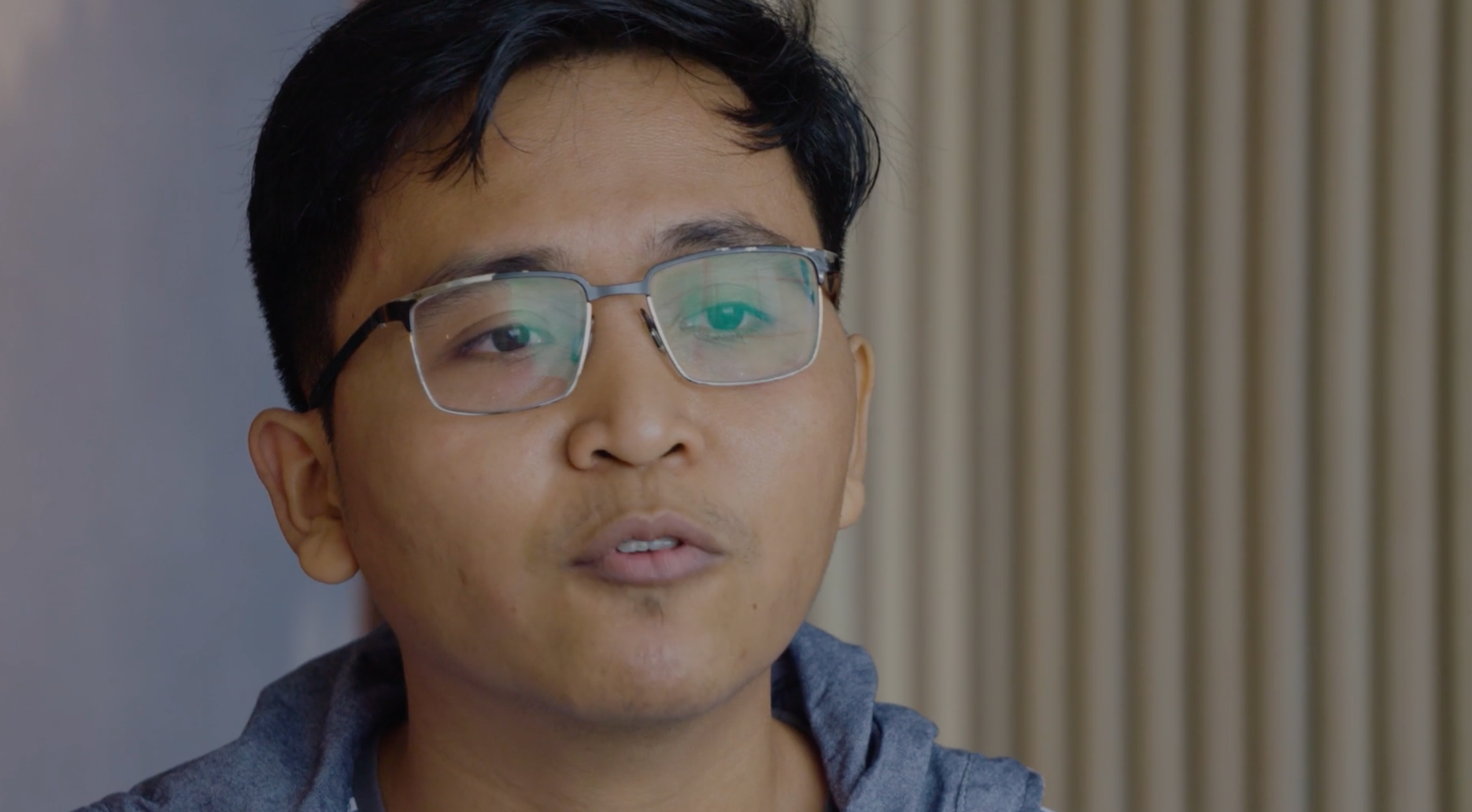
The protagonist is Bias Rahmadan, a young Indonesian who lost his mother on the Lion Air Boeing Air Max crash in 2018. Girardi represented several families in that disaster, including Bias and his siblings.
Girardi is the antagonist.
The reveal is that in spite of all his wealth and success, winning billions for clients over this career, Girardi was actually running a thirty-year Ponzi scheme. It came apart in large part because Bias would not back off of the injustice of being victimized a second time, by his own lawyer.
So, how to start the film? With Bias, the unknown but heroic protagonist? Or, with Girardi, the infamous guilty antagonist?
Right now, the cut begins with the the plane crash that Bias’s mother did not survive — the “inciting incident.”
This concept, as I've leartned, is largely credited to a German novelist and playwright, Gustav Freytag who wrote Die Technik des Dramas in 1863 (The Technique of the Drama). Here is a deep dive into that and other aspects of story structure, though I don’t always agree with the author.
If the protagonist gets things going – he has the problem to solve – when and how to introduce Girardi, the antagonist?
That’s the question editor Graeme Butler and I are working through.
It’s complicated because Girardi himself never went to Indonesia and never met Bias — not until the end of the trial when Bias confronted him in Los Angeles.
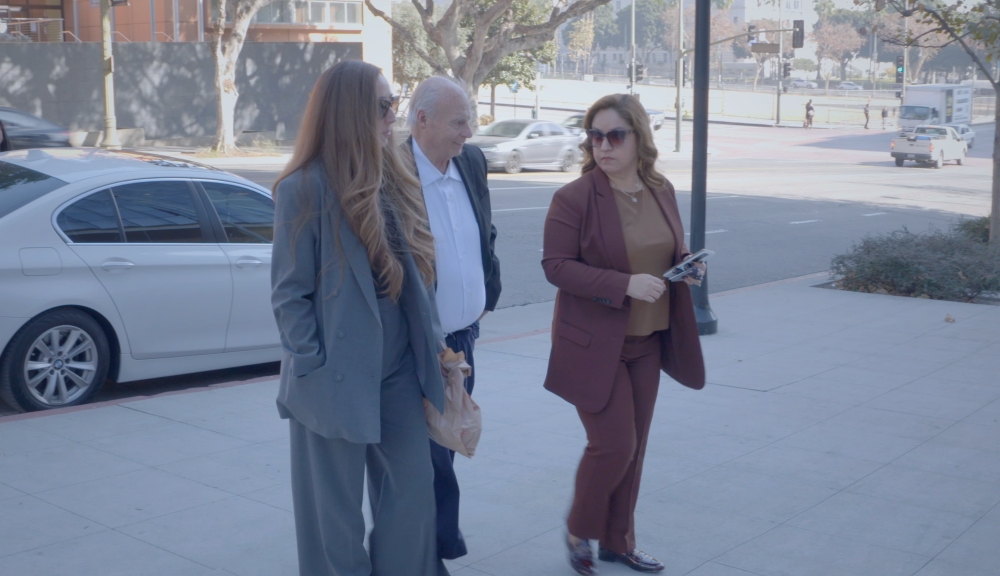
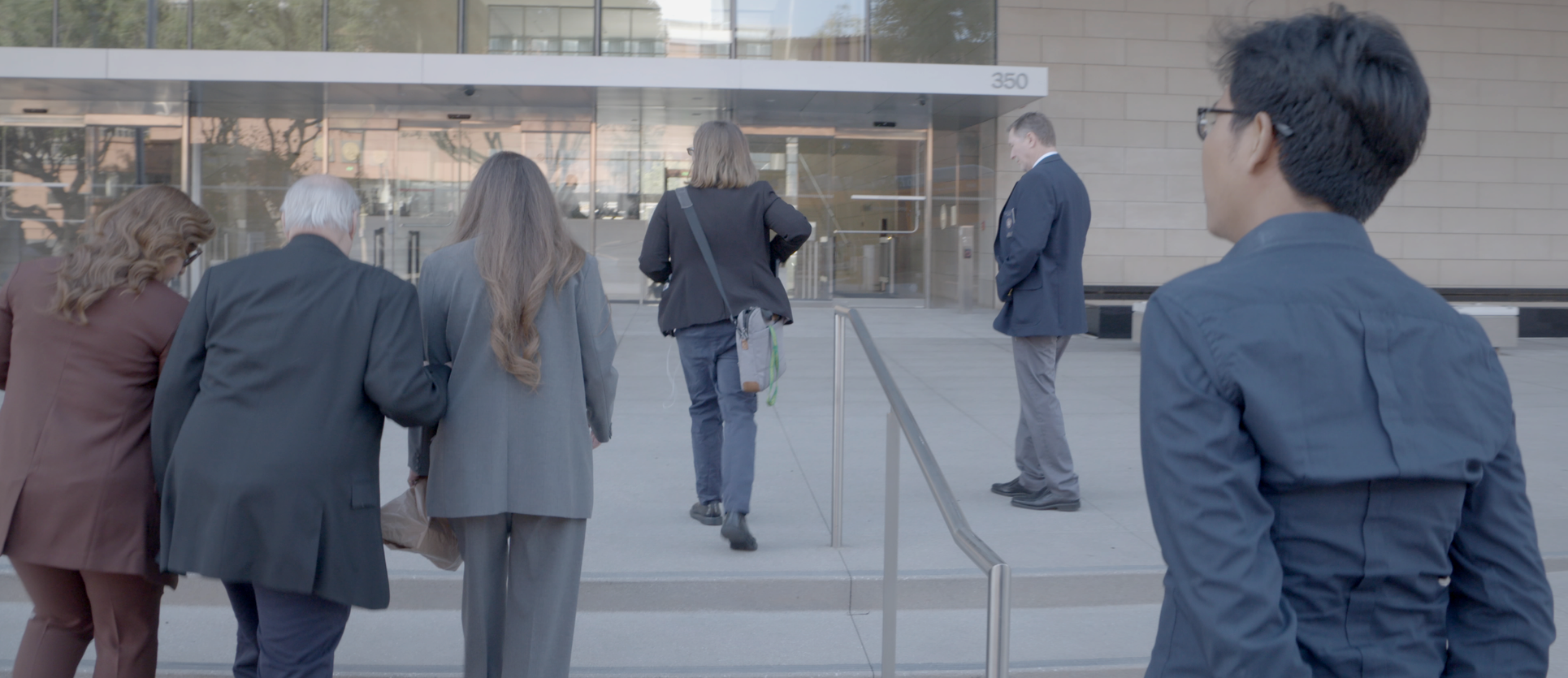
Instead, Girardi sent highly paid representatives (“case runners” or “front runners”) to Jakarta to sign clients. They are not attorneys and it was illegal for them to solicit clients.
The role of a case runner is significant and should not be left out. So right there, when they enter the story on behalf of Girardi, we have a story knot to untangle.
As with most documentary editing, it’s a matter of trial-and-error. Try stuff out until it feels right.
Speaking of beginnings… Discord Democracy
Filming is postponed for at least another month while Jon Lee Anderson, my partner on this feature documentary, finishes his current assignment for The New Yorker.
[See previous posts for details about Jon Lee and this film project.]
We’re still considering filming in Bangladesh where the first election since the student revolts was held mostly without incident last week. Complications and consequences may ensue in coming months because the awkward alliance (which lost the election) between idealistic Gen Z protesters and a long-standing Islamist party, may unravel.
We’re also keeping an eye on Nepal and elections there on March 5.
Jon Lee and I are fortunate to be in conversation with the Pulitzer Center in Washington, D.C. about financial support. The Pulitzer Center has supported several short documentaries with The New Yorker, the New York Times Op-Docs, REtro Report, and The Guardian.
End Notes
As I was drafting this post I received notifications that Frederick Wiseman passed. I mentioned him a couple of posts ago, along with a photo of him editing on a flatbed table. I had the pleasure of hearing Wiseman speak at UC Berkeley’s Pacific Film Archive a couple of years ago.
A hero's journey will live in through his work. I recommend honoring him by watching some of his films, many of which can be screened for free on Kanopy with a library card.
If you’re new to Documentary Notebook, you can catch up with previous newsletters on the website: https://documentary-notebook.ghost.io/a-documentary-notebook/
Comments ()