A Documentary Notebook
Introductions
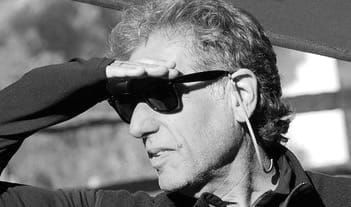
I am a producer and director based in northern California who’s been making documentaries for well, a long time. They include films about a group of men in recovery, the grassroots direct action organization ACORN, a profile of a well-known composer, and the making of a Cuban opera in Havana, among others.
I am the author of "Behind the Seen, a book about Walter Murch, a renowned film editor, and his crafting of a major studio film (Cold Mountain) using untested Apple editing software,
Understanding the realities of filmmaking means getting immersed in the details, which is what I aim to do for you here. A documentary approach to documentary.
I will do regular entries about finishing one feature-length documentary and commencing another. More about those two projects in a moment. But this will not just be about me! Future newsletters include interviews with filmmakers and people behind the camera, along with links to stories about documentaries, the state of the genre, and other curated material.
Since this is the originating installment of this newsletter, here’s my origin story.
The Start
I was in Philadelphia filming what would become "Squatters," my first documentary. It’s about low-income residents who took over and occupied abandoned houses to make a very public political protest, and get places to fix up and live in. It aired nationally on PBS and is still in distribution.
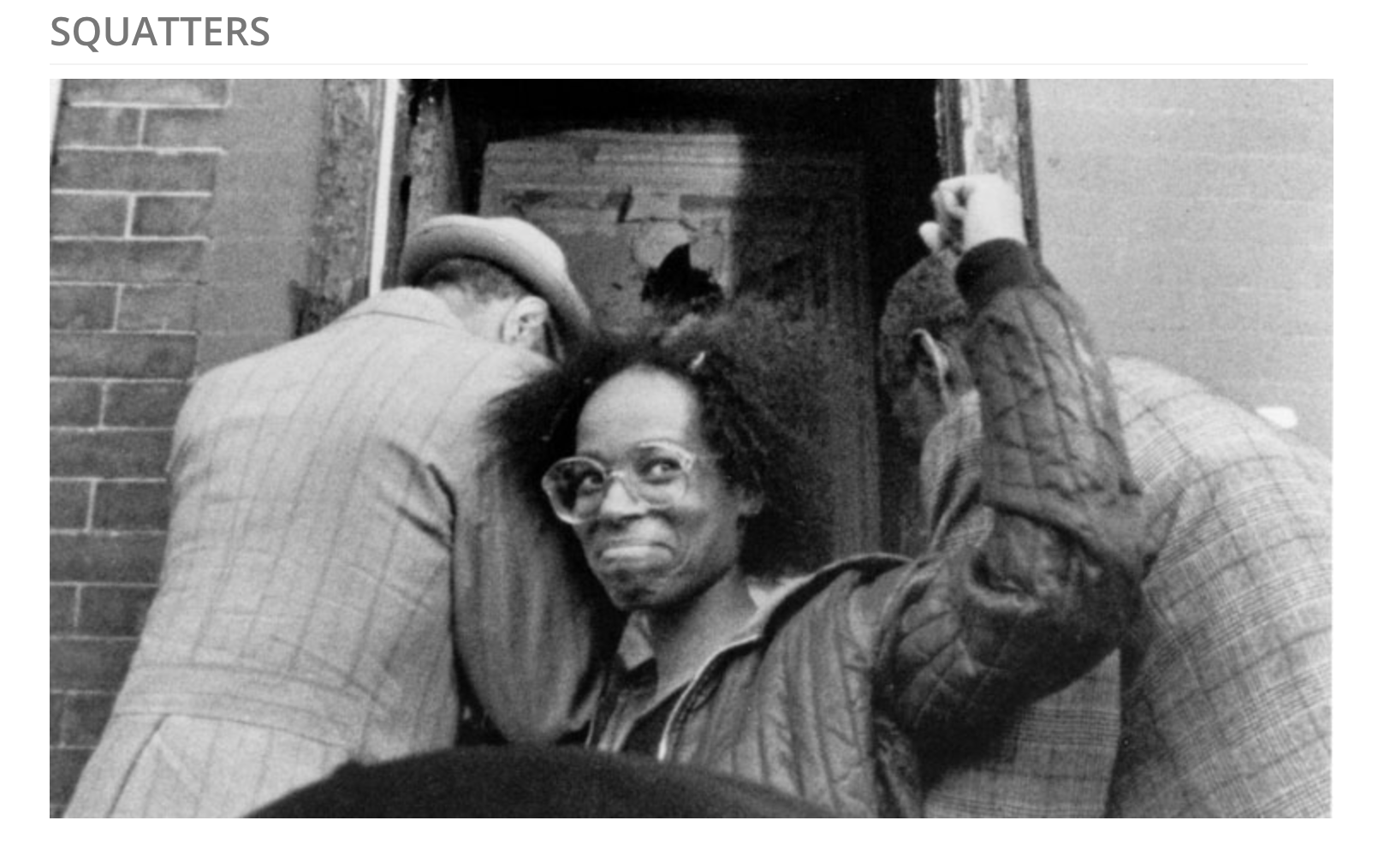
The two main characters were walking to a meeting above a storefront where folks would hear them present information about the squatters’ movement and urge them to sign up. The late afternoon spring light slanted in from the west as Gloria and Grover walked toward the camera, slowly and naturally as if we, a crew of three, weren’t there.
I had spent nearly two years fundraising and preparing for this moment. It was the first shot of the production. I was at the start of something I’d never done before, never gone to film school to study. I had no idea how the story would play out, nor how the film would eventually get seen. It was thrilling to finally be underway — more so perhaps because it felt so risky and uncertain.
After getting the shot, and before going inside to film the meeting I spotted a phone booth on the street corner and called my father collect (meaning he paid) in California. Among his careers my dad had been a film editor, screenwriter and filmmaker. He was Old School, not comprehending the idea of making a film without a script as I was doing, letting the story reveal itself, following wherever it led.
“I’ve started,” I told him. “It’s so amazing…” I was at a loss for words.
“Well,” he said,” if everyone knew what you know now, they’d all want to be filmmakers, wouldn’t they?”
I had joined a secret society.
Two Films
These are the two films which I’m doing now that you’ll be hearing about:
Tom Girardi is a plaintiffs’ attorney in California who stole millions from his clients, is married to a star of the Real Housewives of Beverly Hills and is known as the “Erin Brockovich attorney” having won a $375 million settlement against a utility company, the basis of that film starring Julia Roberts. I started production exactly five years ago, filming Girardi’s contempt hearing in Chicago. Years later, at the end of the tale, I attended his criminal trial in Los Angeles federal district court lasting two weeks.
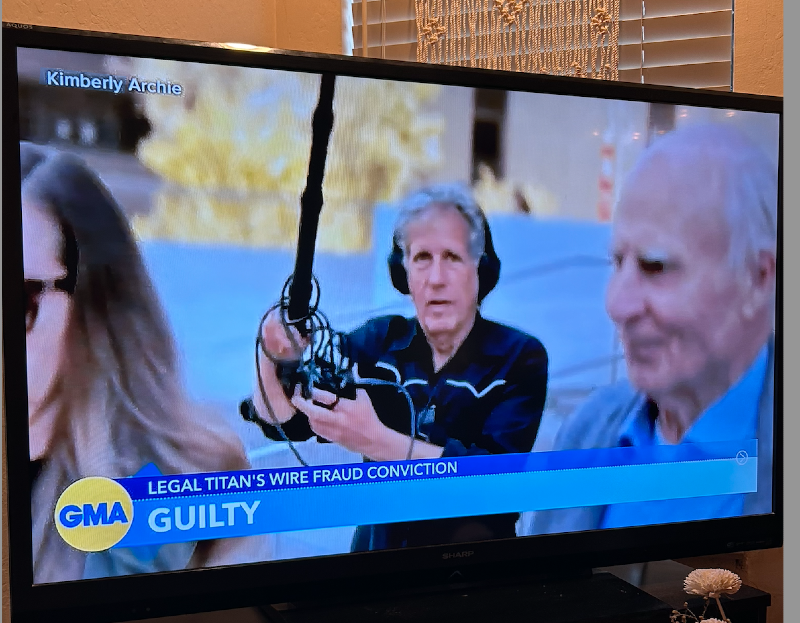
I spoke to lots of Girardi’s friends, employees, and to his wife Erika Jayne. I went to Indonesia and filmed with a young man who was a client of Girardi’s, whose mother was aboard the Boeing Air Max plane that crashed. He and his family were defrauded by Girardi of millions of dollars in settlement money Girardi secured for them from Boeing.
Editing is underway and will continue for the next several months.
The other film is in pre-production. My colleague is New Yorker magazine staff writer and war correspondent Jon Lee Anderson. We’ll take a global journey to look at the consequences of social media for democracies and democratic movements. My interest dates to an unfinished documentary about Facebook, when I was able to film unencumbered with their security team during the Arab Spring. Jon Lee has covered civil wars, revolutions, and conflicts globally. He and I both want to understand how dictators and presidents hijack social media for their purposes.
Overall, it’s a dark story. (See Iran, Russia, the U.S. and Myanmar for example.) The story in Brazil is mixed: a courageous judge threw Twitter out of the country and jailed the former president for an attempted coup which Jon Lee wrote about last year in the New Yorker.
But recent events in Nepal, Bangladesh, Madagascar, Peru and Morocco and elsewhere feel a bit like the Arab Spring: Gen Z protestors organizing online, taking to the streets, and disrupting politics as usual.
Maybe the story will have elements of hope, and not be all gloom and doom. Real life will decide.
We plan to travel to Kathmandu or Dhaka to begin filming next month. I’ll be reporting on that from the field.
What's Next
My next newsletter will include material that gets you inside the two films that are in-progress, along with a podcast featuring a prominent documentary maker who was my mentor.
If you feel so inclined, please share this with friends and contacts who you think are interested in documentary film and the filmmaking process.
Thanks for reading.
Comments ()