Interview With the Editor
Documentary Notebook is a weekly newsletter for people interested in the state of the genre, people behind the camera, and the process of making documentaries.
Interview with the editor: not to be confused with Anne Rice's book, Interview with the Vampire, the TV series (2022) or the feature film (1994) with Tom Cruise and Brad Pitt.
Still, editors can be like vampires. I’ll get to that below.
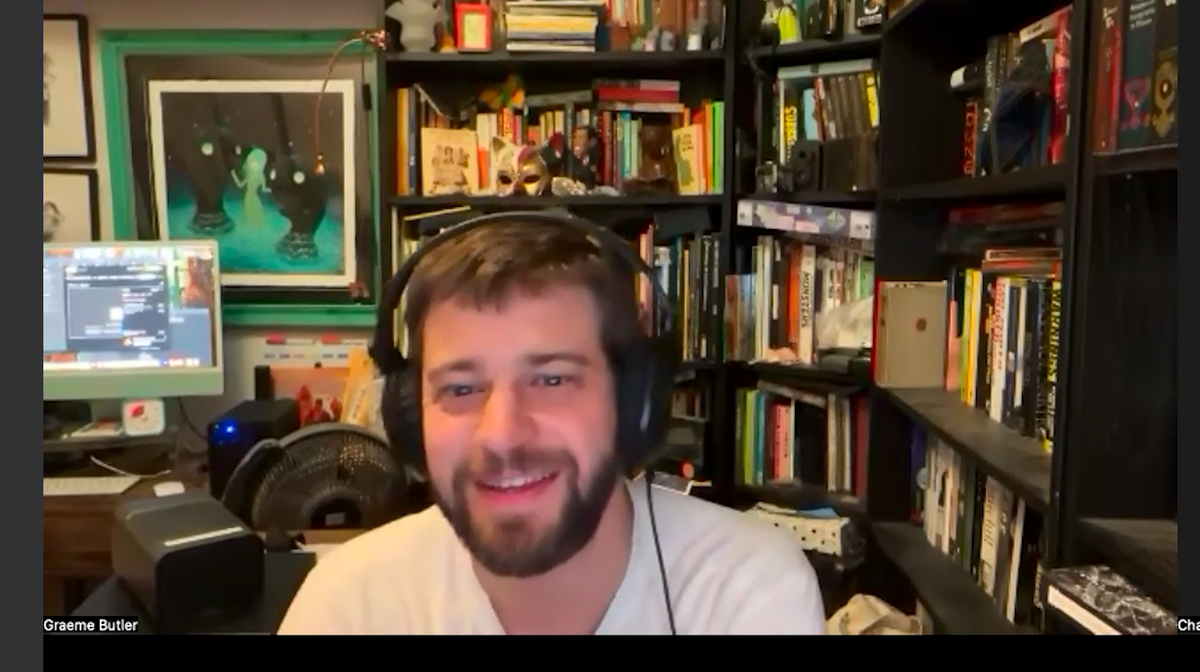
Graeme Butler (not a vampire) is based in New York and is editing the (still untitled) Tom Girardi feature documentary.
I’ll preface my interview with him by reporting in full transparency — I love editors.
Not because they're always lovable.
After all they can be cranky on occasion: not finding a clip because it’s in the wrong folder, an editing system crash, the director who can’t make up his/her mind.
I love editors because they make your work better. Often in ways you, as a director, never imagined.
My dad was an editor. So I guess it starts there.
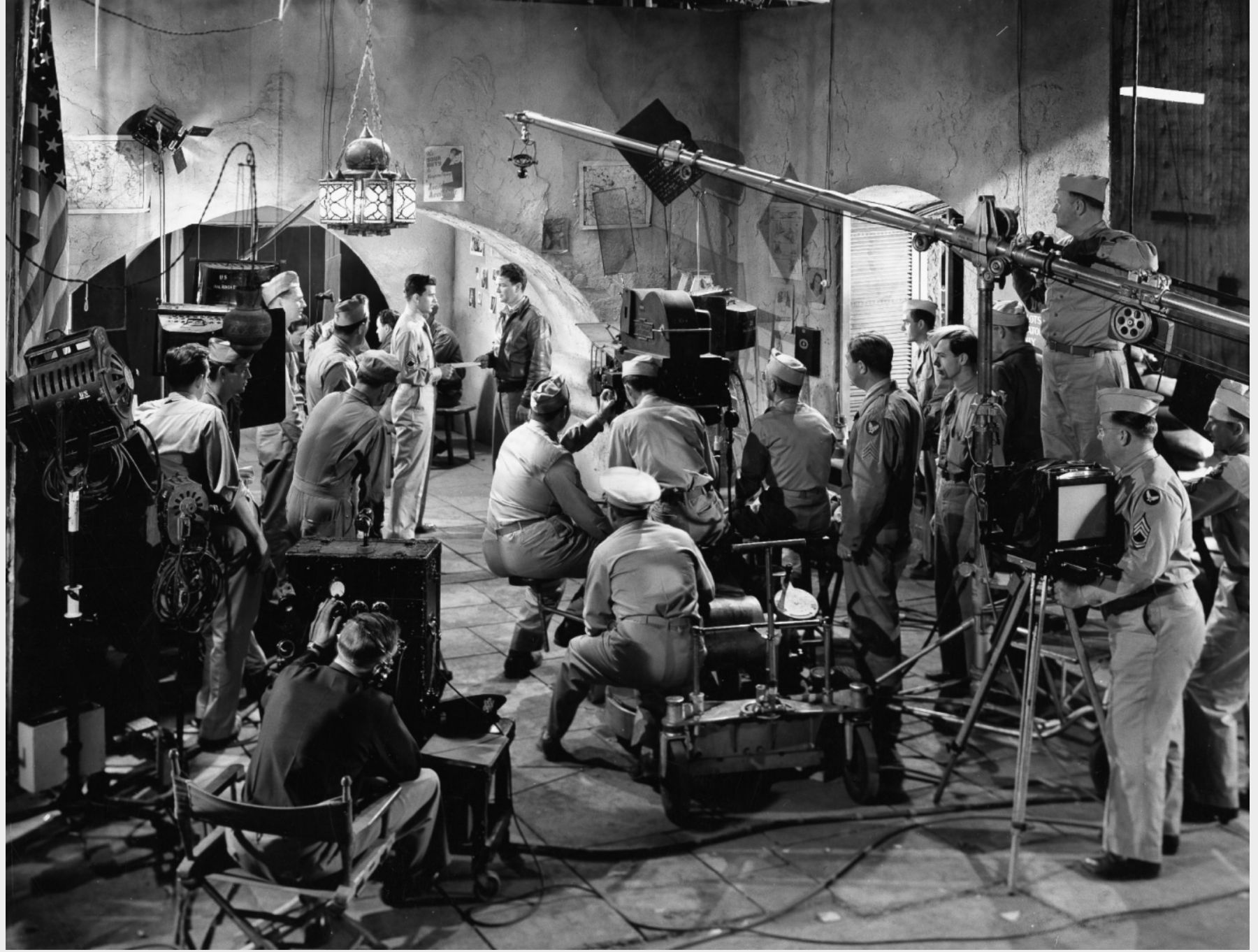
He graduated from the University of Southern California Film School (now called the School of Cinematic Arts), nearly got drafted into the infantry, and talked his way into cutting training films for the US Army Air Corps during WW II in Culver City in the 1st Motion Picture Unit.
Graeme’s credits include, among others the documentaries Rolling Stone: Stories from the Edge; Dirty Money; Citizen K; and The Bibi Files – all for Alex Gibney's Jigsaw Productions.
Which is how Graeme and I connected. After his screening of The Bibi Files in the Bay Area last year I asked Gibney if he could recommend an editor for the Girardi film.
And here he is.
[Interview lightly edited for clarity and brevity.]
How did you first get into film?
I went to Connecticut College and had some friends who were in the film program and helped them on a few films. Then I went to the School of the Art Institute of Chicago for two years where I learned to edit, what it means to work on sets, how to write a script, etc.
At SAIC I actually learned how the sausage is made!
I did a little work in public television in Boston where I’m from. I realized there wasn't much of an industry there outside of public television, so I moved to New York.
I had an internship helping Josh Zeman edit a sizzle reel for a concept of a TV show about the Long Island serial killer. Sometime later I got a call from Josh saying the show got picked up and I should come work on it as an assistant editor.
This was The Killing Season, an eight-episode series,
After a couple of more jobs I finally realized I was working at Alex Gibney’s production company!
Any advice you received in those early days?
A producer told me the most important thing is to get myself into the room where the conversations about what the movie is about are happening. Being in that room for me is one of the best parts of this job.
The least fun part of being a film editor?
Sitting alone in front of a computer in a dark room.
What do you like most?
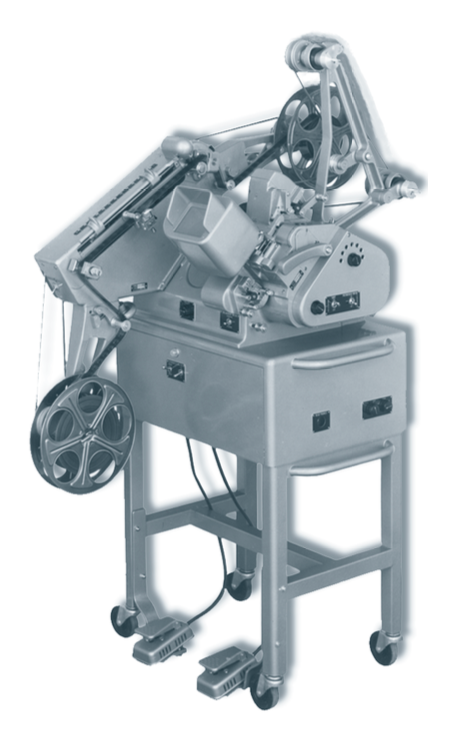
Tangibly putting the film together. Receiving raw material and cooking it.
Our challenge in the Girardi project?
Usually, a corruption story is very simple: they took something they shouldn't have. So, how do we get an audience enough in the weeds so they can understand the scheme — how people were ripped off— but not so much in the weeds that you lose them.
It's very clear Girardi stole the money. And he tried to make it complicated.
The complication is interesting. It's got to be part of the story. But you want to make it clear to the audience that what he did was a very simple act: taking money that didn't belong to him.
Aside from continuing to edit scenes and finishing the rough cut, what are you looking forward to in the process?
The audio interviews you obtained from Dennis McDougal, the author who ghost-wrote Girardi’s unpublished memoir. I think there's probably a lot of really, juicy material there.
It’s about fourteen hours.
I can't wait to dig into that and getting Girardi's voice in the film. I just haven’t had time to listen to it yet.
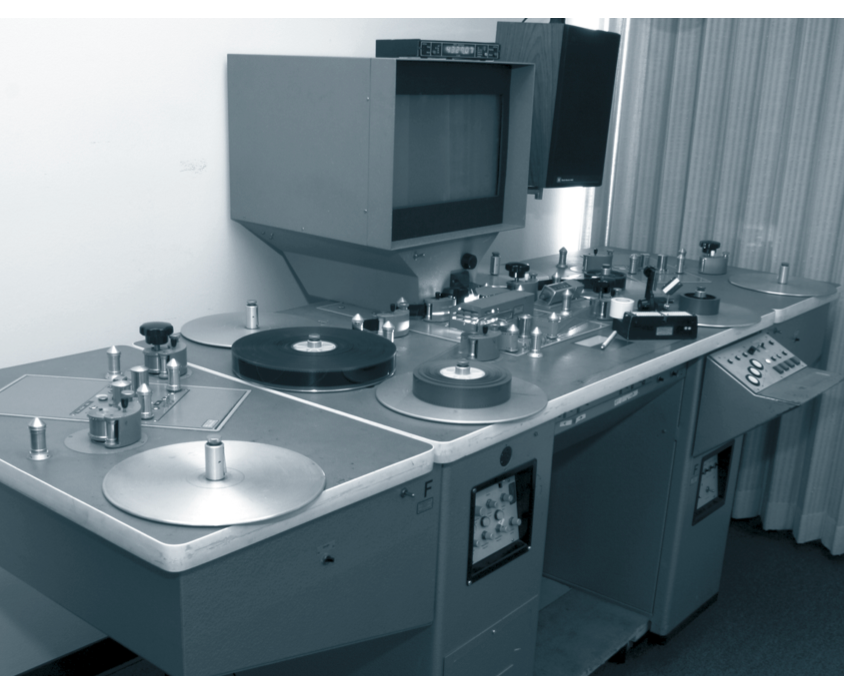
What would be the ideal post production timeline for this project?
Fifteen or sixteen months. Plus having a team with an assistant editor and a couple of story producers who do continued research.
Indeed. Too bad we're under-capitalized! Any advice for someone starting out in film?
Say yes to everything early on.
You'll be surprised about the opportunities that come out of shooting on weekends with your friends.
The more you keep working, getting creatively involved, the more people will start to see you and know you.
And that's really the way to get into making a movie. To get into the room.
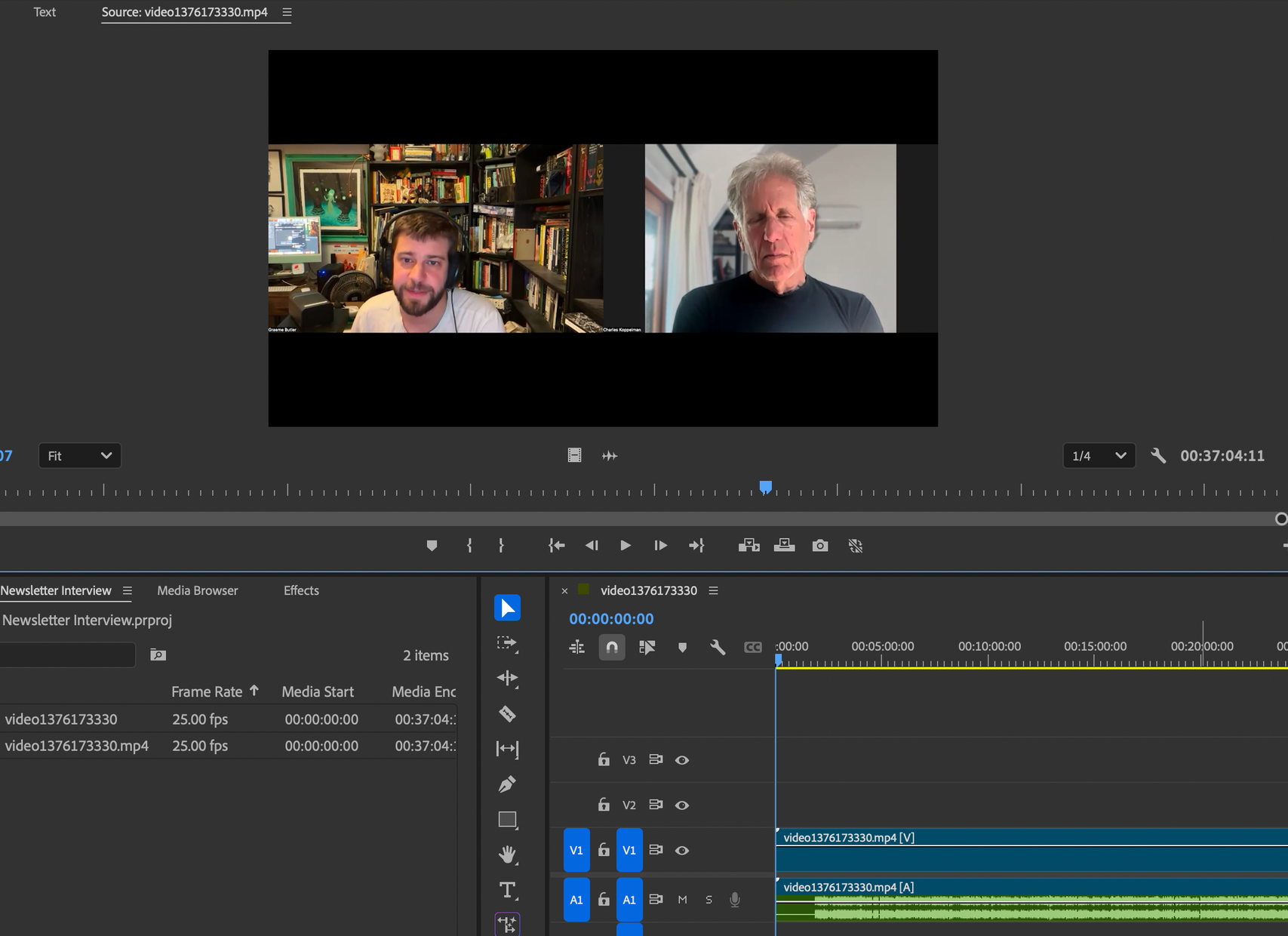
So, back to the beginning and the vampires which is not due to Sinners having just won multiple Oscars.
How are editors like vampires?
They want it all.
As much footage as possible. Lots of "coverage". Enough material shot from different angles so the editor has creative choices.
That said, anything goes when it comes to editing styles nowadays: jump cuts, smash cuts, skip cuts, intentionally breaking continuity.
I shouldn't put this vampire thing solely on the backs of editors. Documentary directors, we want it all, too.
Shoot till the cows come home! Once underway we hate to miss filming anything. When you work without a script, trying to keep up with life as it unfolds, you never know which piece you'll need to make the jigsaw puzzle fit together.
If you’re new to Documentary Notebook, you can catch up with previous newsletters on the website: https://documentary-notebook.ghost.io/a-documentary-notebook/. The Notebook is supported by its subscribers. Please make a contribution if you like what you're reading. Thank you.
Comments ()