How They Start
Documentary Notebook is a weekly newsletter for people interested in the state of the genre, people behind the camera, and the process of making documentaries.
Documentaries arrive, each in their own way.
One film began after overhearing a comment at a meeting. For another, it was a tip from someone I had interviewed for a different film.
The documentary I’m featuring in this week’s Notebook showed up in person, while I was traveling abroad pitching another project.
I was at the Triennale, an international design, art, and music exhibition in Milan Italy. I was trying to get a Cuban opera I produced, and for which I wrote the libretto, remounted in Europe.
The opera is another story — yes there's a documentary about it in the works.
That morning I was meeting a friend from Cuba who was managing the Cuba Pavilion at the Triennale. The exhibit featured the art and architecture of the National Art Schools of Cuba (ISA) — its creation is the basis of my opera, Cubanacan.
I was chatting with my friend and meeting his team from Havana, when a slight, energetic man in his 70s, wearing a heavy black sport coat, sidled up to me.
“Hi, I’m Michael Nyman. Who are you?”
He did look vaguely familiar.
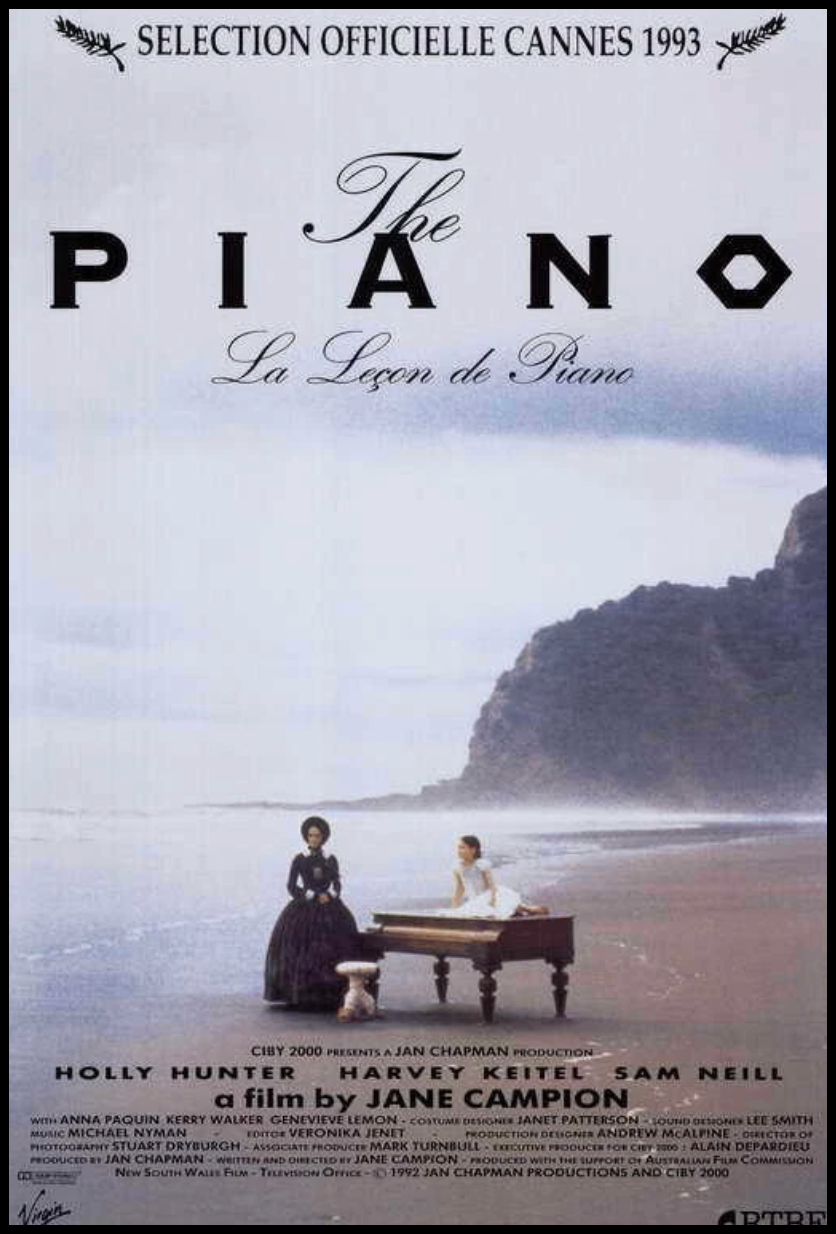
But… the Michael Nyman? Who composed the score for the movie The Piano? That seemed a little far-fetched. What was he doing here?
He kept firing questions at me:
Are you Cuban? Why are you here? Where are you from? Do you want to have lunch?
No, I’m not Cuban, I told him. And I was in Italy because of an opera.
Michael was at the Triennale because he lived part of the year in Milan, just a few blocks away.
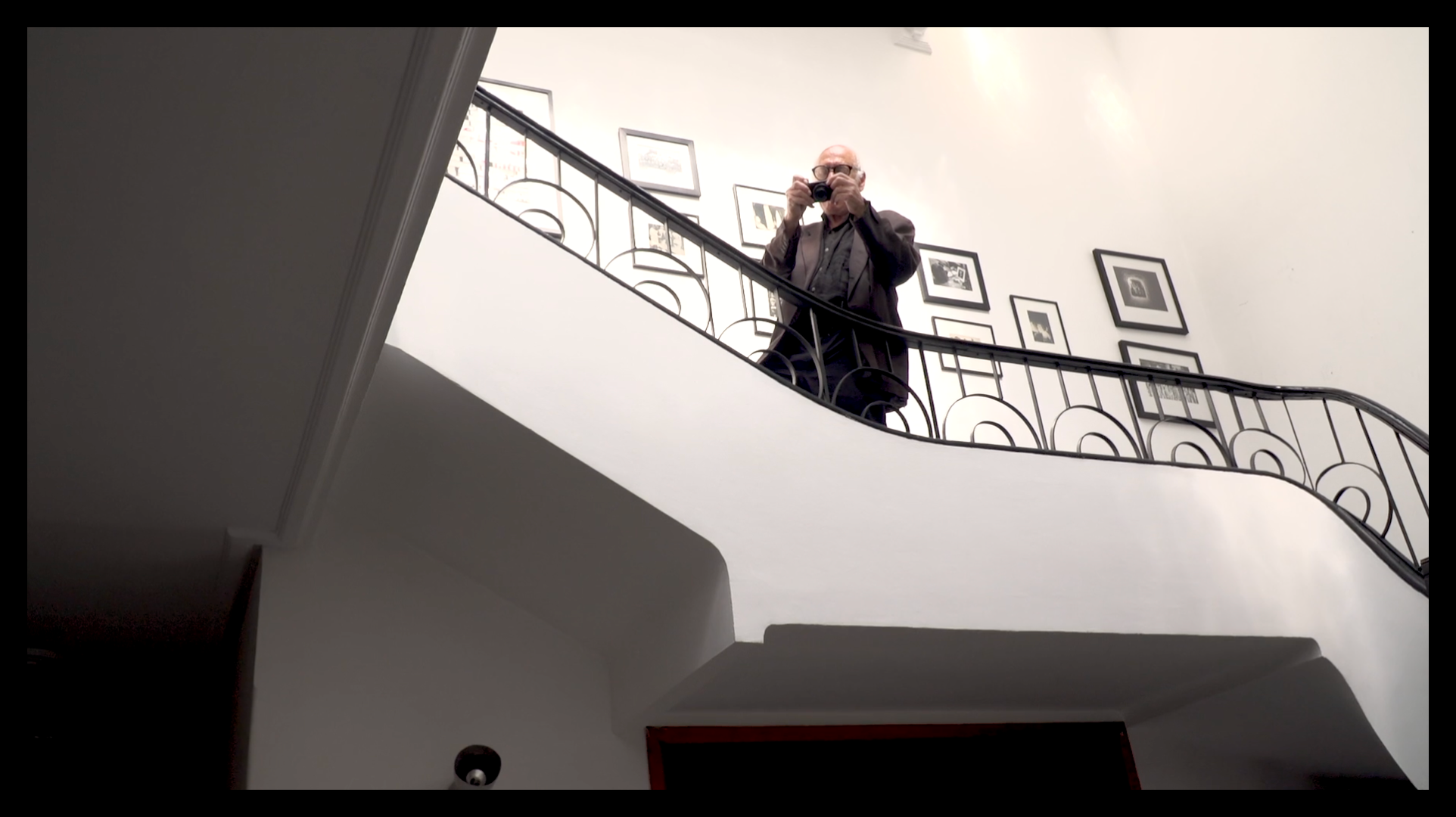
I couldn’t know this at the time of course. But a year later I would be walking through the Roma neighborhood of Mexico City, camera in-hand, having no idea what would happen when I got to Michael's three-story villa where he lived when he wasn't in Milan.
After meeting him in Milan, and after I had returned to the States, Michael kept the conversation going.
He wanted me to write the libretto for an opera which he would compose, based on La Respuesta a Sor Filotea (The Answer) by the 17th century nun, Sor Juana.
I had never heard of her nor the book, hundreds of pages long, advocating for women’s intellectual and educational rights.
It would be a challenge to adapt it for an opera. But why not?
I started to dig in.
Then Michael called. I don’t want to do an opera, he told me. It takes too long.
After that, silence for several months.
Until he sent me an email.
Would you want to come to Mexico and do a documentary — about me?
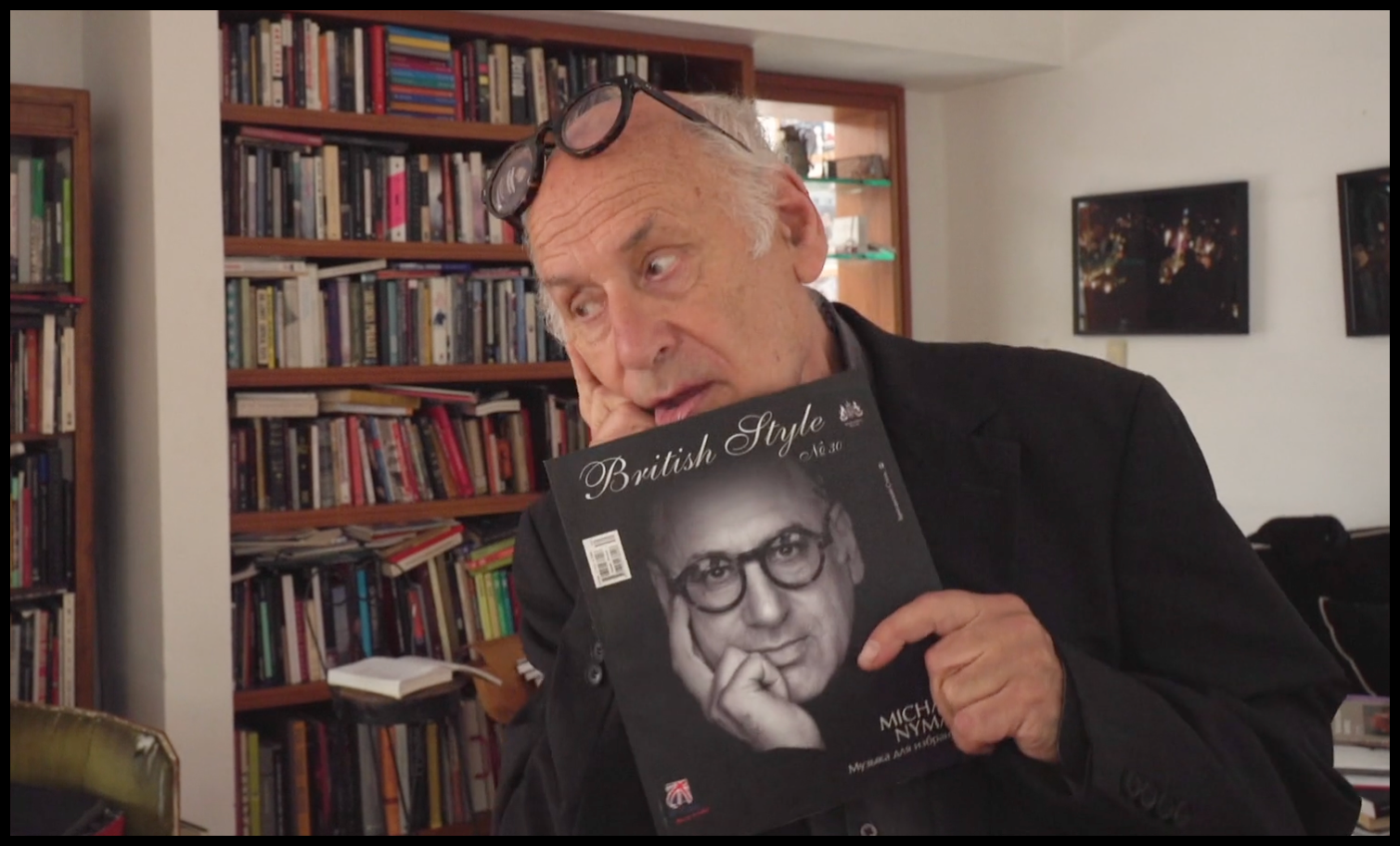
I’d been through this kind of thing before — phantom projects that never materialize. It all seemed too much.
But I didn’t say no.
Up until the last minute I assumed this would all evaporate. Stuff for a good story among friends, but nothing more.
Then I flew to Mexico City.
I managed to get a lav mic taped under Michael’s shirt (working as a one-person band) on the first morning of filming, when he announced that we’re going on a walk, right now, to get the best breakfast in all of Roma.
He hustled through the streets, despite a broken toe. I was barely able to keep up, run-walking and filming as he went on ahead not giving me a second thought, disappearing around each corner.
And so, my week in Mexico City with Michael Nyman had begun.
It was without a doubt the hardest documentary I’ve ever shot on my own.
There were the physical demands working 10-12 hour days, as he flitted from place-to-place to see friends, drink at a pulqueria, buy old photos at a flea market, and work on his own short films with an editor he flew in from France.
He was demanding emotionally: mood swings, self-pity, grandstanding, pride.
Anger if he thought I had missed filming a moment he felt was crucial.
Regardless, I learned a lot.
I wasn’t aware of all the movies he scored. Nor the volumes of music he wrote for chamber, orchestra, opera, and even an ensemble of tiny pianos.
Here was a very successful, world renown artist who, late in life, had pivoted to other art forms. I found him inspiring to be around.
Enough telling. I prefer showing.
Here’s the link so you can watch the 11-minute film.
As I was on my way to the airport at the end of that week, I realized I never saw Michael enter his downstairs living room, a beautiful space with a grand piano.
He had never played a note while I was there.
If you’re new to Documentary Notebook, you can catch up with previous newsletters on the website.
Comments ()