A Mentor and Some Updates
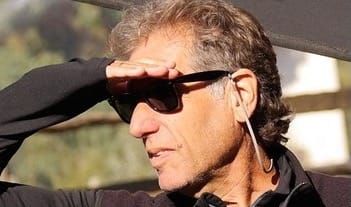
I first want to introduce you to my friend and mentor, filmmaker Nick Broomfield, and then update two current films.
Nick has made many terrific films including Last Man Standing: Suge Knight and the Murders of Biggie & Tupac, Tales of the Grim Sleeper, Kurt & Courtney, and Aileen Wuornos: The Selling of a Serial Killer.
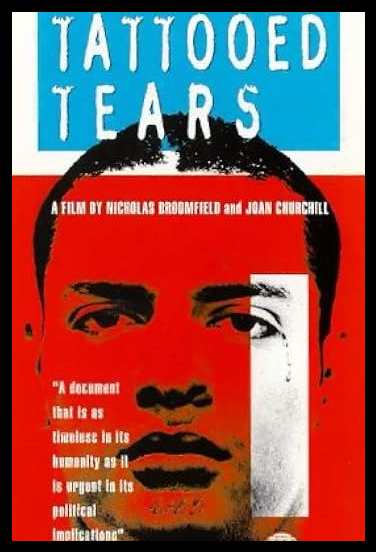
When I first met Nick, he and his filmmaking partner Joan Churchill, were making Tattooed Tears about a maximum security juvenile correctional facility in Chino California. I was not yet a filmmaker, but that connection was fortuitous for inspiring me to take that path.
Nick did a recent interview with Rick Rubin, record producer and author of The Creative Act.
You can listen to the full program here.
To whet your appetite, I've excerpted two minutes.
In his early films Nick would often be heard asking questions or commenting from behind the camera, where he recorded sound. Eventually, when it became a necessity to tell elusive stories, he put himself in his films — considered a no-no at the time among documentary filmmakers.
As Nick showed, that approach can dramatically and effectively support a story.
It was not as if Nick and I sat down and discussed the finer points of selecting a lens, or defined structural building blocks of good storytelling.
Rather, I simply spent time around him when I could, watched his films, observed how he moved through the world and noticed what he noticed. Occasionally we’d chat about process, but in broad strokes. Like getting access to subjects. Or why he chose to frame interviews in a certain way.
My point is this: there are myriad ways to get advice and guidance and it’s not always by going in the front door. Osmosis, absorbing and observing someone’s way of seeing and working, can be the basis.
Discord Democracy
By way of reminder, this film is about the impacts of social media on democracies and democratic movements. It will be centered on those directly involved and impacted. That means getting to a location, obtaining access, and turning on the camera at the right time, the first decisions in the editing process in fact.
There’s a “two out of three” saying you may have heard. Though it’s usually applied to dramatic films, not documentaries. Still, a valid formula.
To make a film you need story, money, and talent. Having two out of three lands you the missing third.
A great script with financing will attract acting talent.
A great actor with a terrific script will generate financing.
Etc, etc.
For this project my partner, New Yorker staff writer Jon Lee Anderson, will be on camera. So, he can be loosely defined as “talent,” as are the sources/participants who we’ve contacted in Bangladesh and possibly Nepal, where stories of social media and social movements are underway and interest us.
Read about Nepal and its Gen Z movement in a terrific regional publication here and in the New York Times (gift article) here.
The short film we plan to make is a down payment on a full feature-length documentary. A funder agreed to finance initial filming provided we have commitments from outlets to publish the film and a print story. Naturally, this would be the New Yorker magazine, and their website, which streams short films.
At the moment Jon Lee is reporting on Venezuela, Cuba, and Trump. Until that story wraps up, he won’t get his next assignment from the magazine. And since we need that commitment to unlock funding, our plans for going to Asia are in limbo.
Untitled Tom Girardi Film
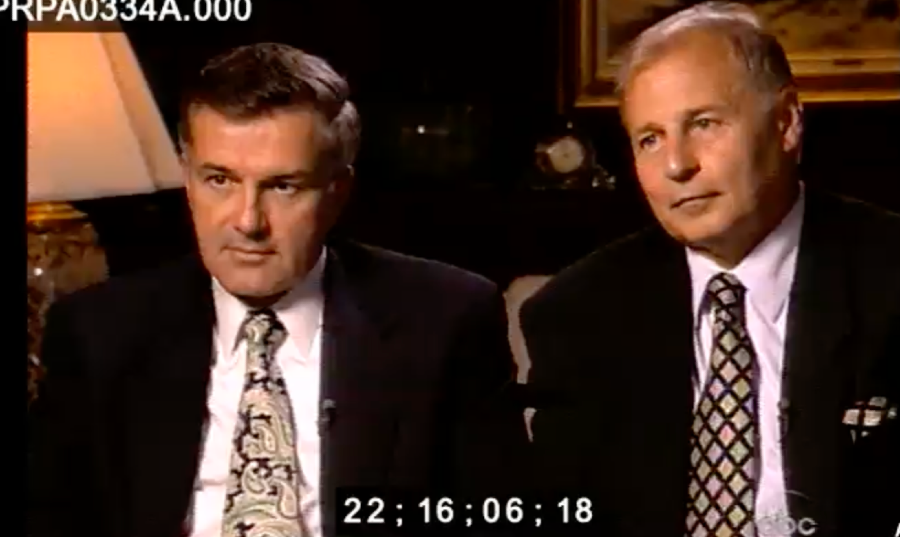
This film, about the rise and fall of famed Los Angeles attorney Tom Girardi, is under-capitalized, as businesspeople would say.
Independent filmmaking, with a built-in financing challenge, is good news and bad news. To the good, independence means not having to answer to suits who pay the piper and call the tune.*
On the other hand, work slows when there’s no money to pay people.
Fortunately, as most filmmakers know, there is a middle ground: the Land of Deferments.
Even films that are fully funded sometimes run out of money – unplanned shooting, extended editing, unaccounted licensing fees for music or archival material, for example.
Documentaries trying to keep up with real life are especially subject to unexpected costs.
Then there are projects like this one which secured private money to get through production but is currently unfunded for post production.
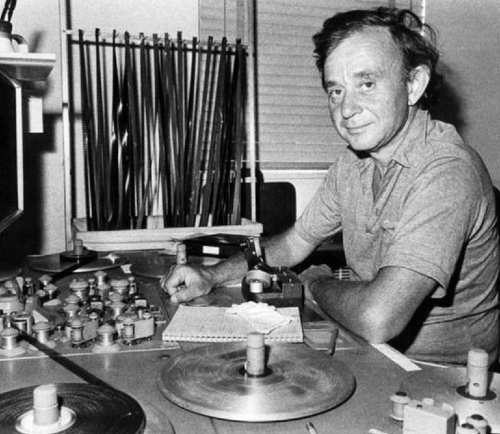
Thanks to his generous spirit and his faith in the film getting sold and distributed, editor Graeme Butler is working on a deferment. And that means having to take pauses for paying work.
This is familiar territory.
I raised multiple foundation grants for my first film, and received completion funding from CPB (may its memory be a blessing). Still, it ran short of money before it was done because PBS demanded re-edits which blew out the schedule and budget.
That when I was introduced to the world of deferments. I found a sound editor who would do that needed audio work on partial deferment, meaning some money up front with the rest (on faith) after completion. Thank goodness I had a solid distributor (The Cinema Guild). Educational sales were healthy, and the deferments got paid.
Now, many years later, the story is not just the same, it’s worse.
Funding sources such as the National Endowment for the Arts (NEA) and National Endowment for the Humanities (NEH) have political marching orders. CPB is destroyed. Foundations are gallantly trying to hold up a sagging social safety net.
It’s always been a struggle. But with committed and generous crew people and editors, we still get these films done and seen.
* Reliable sources report that Netflix makes documentary filmmakers edit to a data-driven playbook that dictates where to place dramatic story beats so as to maximize audience engagement.
If you’re new to Documentary Notebook, you can catch up with previous newsletters on the website.
Thanks for reading and please pass it along to folks you think would also be interested.
Comments ()