Yes, We Have No Cigars
Documentary Notebook is a weekly newsletter for people interested in the state of the genre, people behind the camera, and the process of making documentaries.
Back from Havana. And sad to say, without two boxes of cigars or two bottles of rum, which I used to be able to bring into the USA.
Our government protects us from sin.
I made progress on my opera project. And I returned with another documentary insight: having the right tool for the job.
Meaning, the biggest and best camera is not necessarily what counts.
My iPhone shoots crystal clear 4k video, which alone would be enough.
But equally important, it delivers access and inconspicuousness.
I had this magic happen before when filming the Girardi documentary in Las Vegas.
I was following Jay Edelson, the attorney who broke the Tom Girardi scandal wide open. He was a featured speaker at an annual convention of plaintiffs’ attorneys at the Wynn.
Filming inside a hotel? Inside a casino? Fuhgeddaboudit.
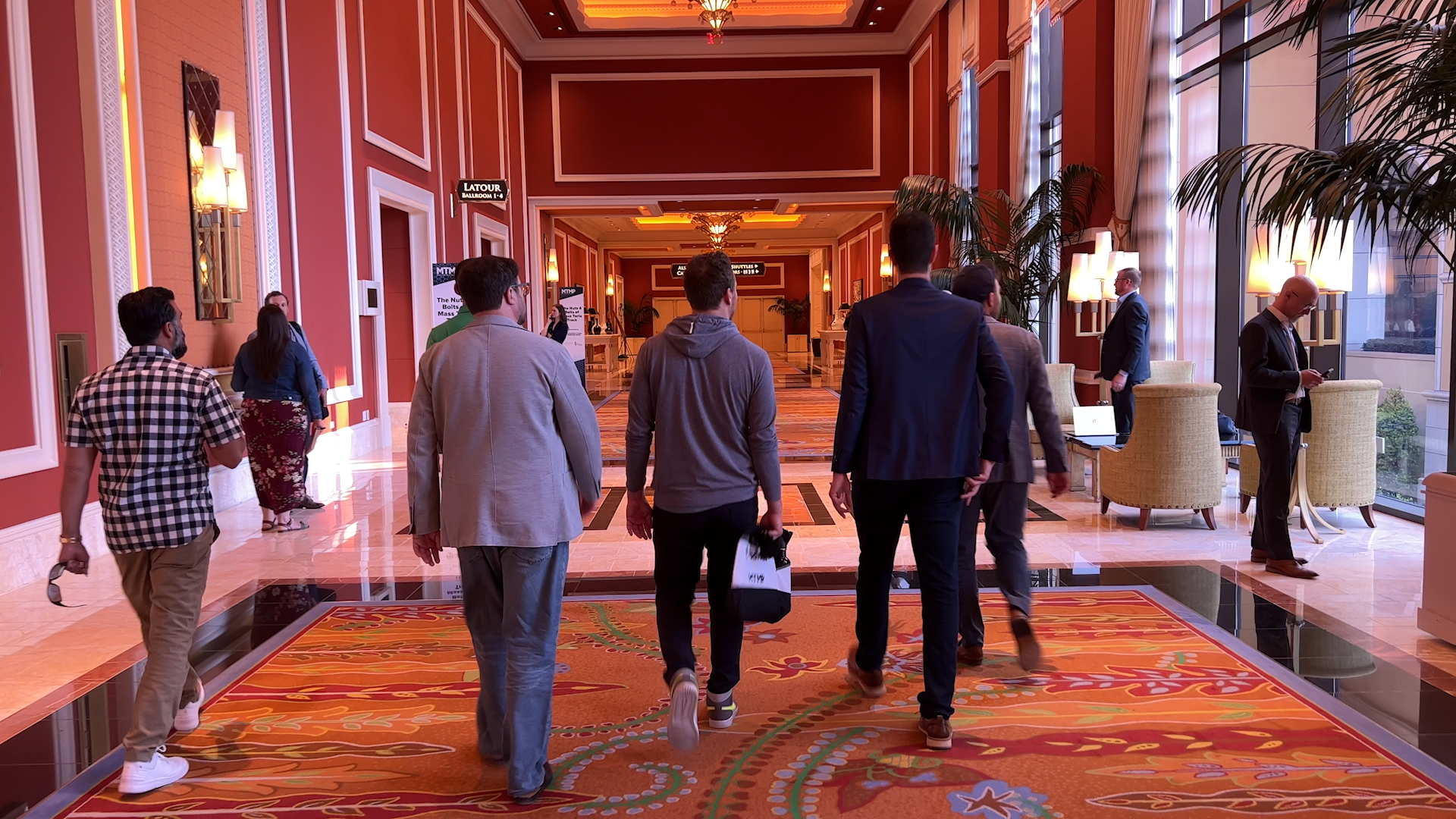

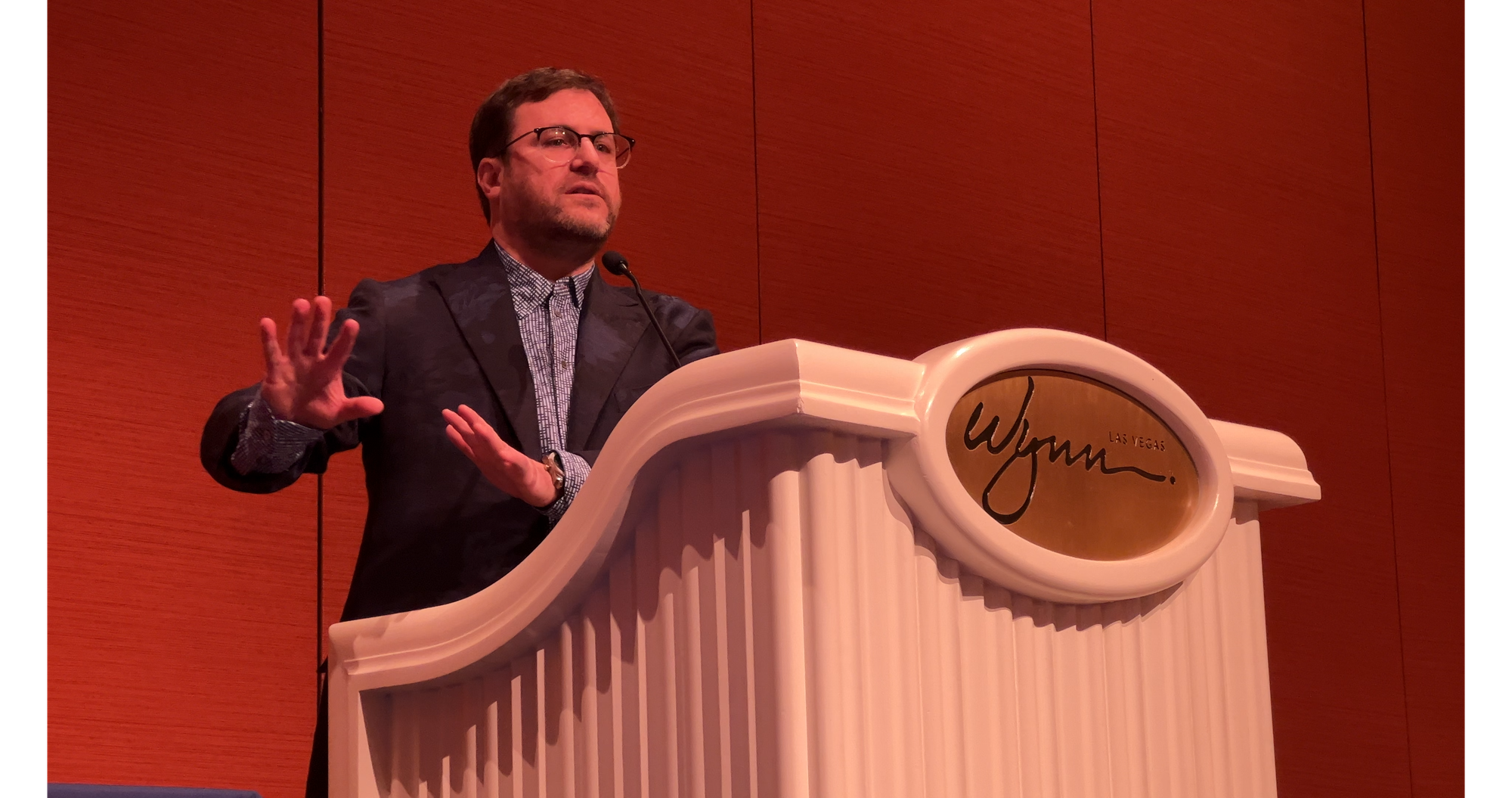
It usually takes about 45 seconds for the hotel dick to come over, wave his hands, and tell you that filming is not allowed. Unless of course you have an agreement with the hotel owner.
Sure.
My trusty camera person on that film, Battiste Fenwick, was going to fly in from LA and meet me in Vegas. As we talked through the shoot he came right to the point: get a new iPhone with 4k. Otherwise we’ll never be able to film anything,
Which I did.
Hey! Now we’re tourists! Who cares?
Battiste was able to film the convention, the speech, small talk inside the casino, and more.
Many filmmakers of course use iPhones to shoot.
Sean Baker famously shot the dramatic feature Tangerine on an iPhone.
Several documentaries rely on phone videos shot by participants, such as last year’s Oscar nominees: Alabama Solution and The Perfect Neighbor (mostly on phone).
I had my Babycam (Sony 700) and a couple of lavalier mics with me in Havana. I never took them out of my backpack.
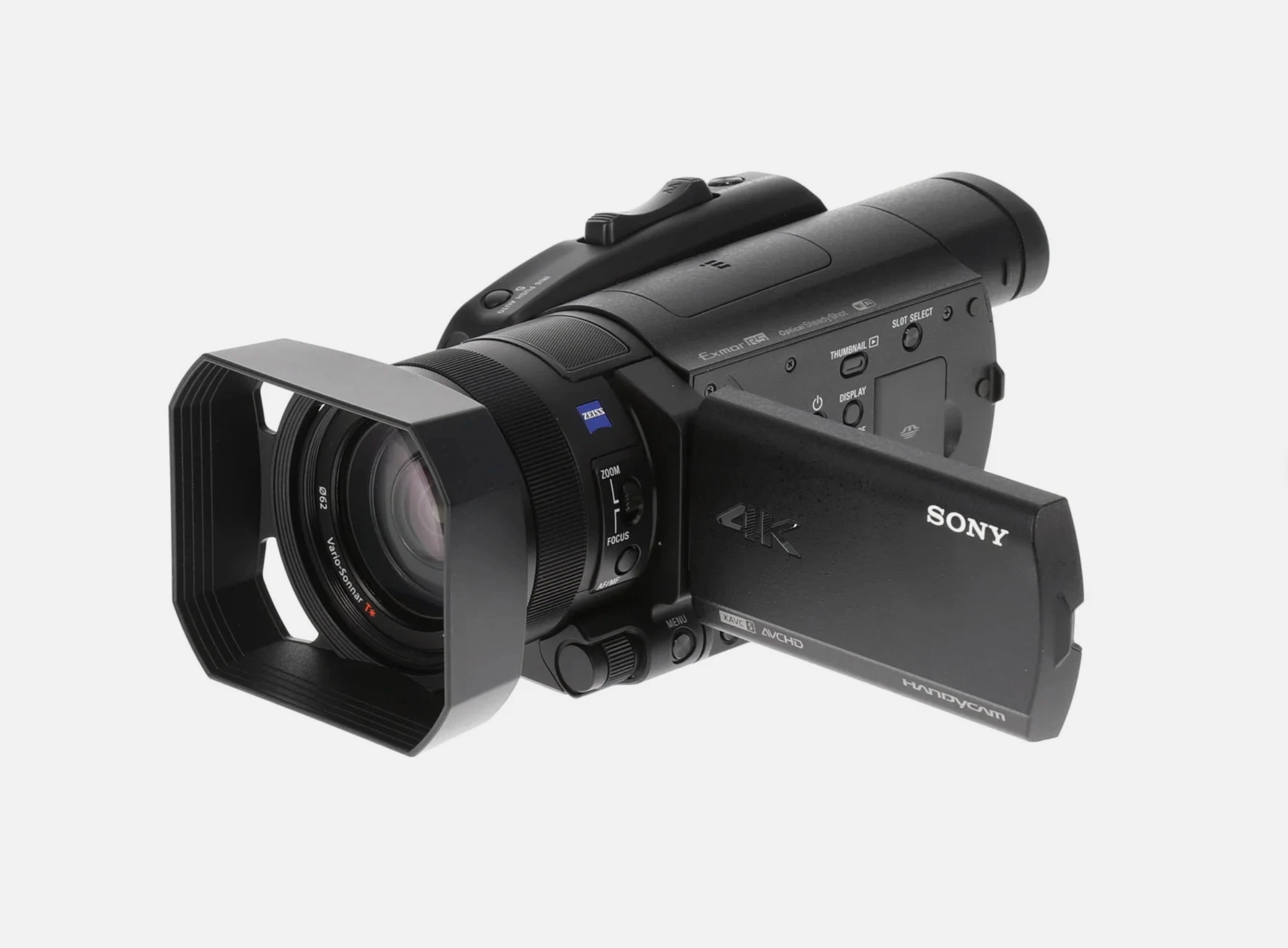
Not that the folks at the Melia Cohiba hotel where I was staying would probably have cared.
Instead, it was a sense of keeping things low-key and unobtrusive, even though I was with people I knew.
Here are some results: watch the 1-1/2 minute compilation video I just edited — all shot on an iPhone, as the Apple billboards say:
My returning to Cuba after nearly ten years absence was both startling and reassuring.
The disconcerting parts: fuel shortages are severe, there is virtually no street life, and power outages ripple through the island. Streets that were once full of pedestrians, motor scooters, buses, exhaust fumes, and general cacophony were vacant.
It’s estimated that 10% of the population (2 million) have left over the last several years.
But I picked up on feelings this was a matter of surviving yet another difficult time after decades of the same.
My time was spent mostly amidst people in the arts and music, so this may have been a narrow view. But they did not appear despondent, depressed, or angry though they have every right to be.
For a more thorough portrait of life in Cuba now I suggest reading this story by my friend Jon Lee Anderson from the New Yorker last March
As mentioned in my previous newsletter, I have been producing and directing a long form (and very long-term) documentary film about the making of this opera.
On this trip I filmed the start of the third act.
The first act will cover the earliest process of conceiving the story and the music, to the first showcase performance in 2010 at the late, great New York City Opera’s VOX Program. The plot point, as Syd Field would say, which ends Act 1 was the crashing and burning of that first creative team. Other than yours truly.
The second act picks up with a trip to Cuba in 2012 when I resuscitated the project after having lost everything.
There I met a Cuban composer, Roberto Valera who is much revered and whose work is performed regularly in Cuba. He and I started working together from scratch. Me writing the words, he writing the music.
In 2015 the completed work premiered at the 2015 Havana Biennal.
Fifteen hundred people attended over the course of three performances on a stage we built outdoors, where the story takes place, at ISA — the national schools of arts — built on the site of the former Havana Country Club.
It was a dream come true. But not quite fulfilled.
I knew at the time there was more work to be done: cuts, trims, better pacing, and deepening the characters.
Ten years later the final chapter began with the trip earlier this month to to Cuba.
I brought with me with Latin jazz composer, arranger, piano plyaer, and band leader Arturo O’Farril.
He will arrange and orchestrate revisions Valera makes to the music, based on new and revised libretto I will write.
Where it goes from here, like most un-scripted, direct-cinema documentaries, remains to be seen and filmed.
The prospect of a revised opera going to venues worldwide outside Cuba means a camera (probably more than an iPhone) will be in hot pursuit.
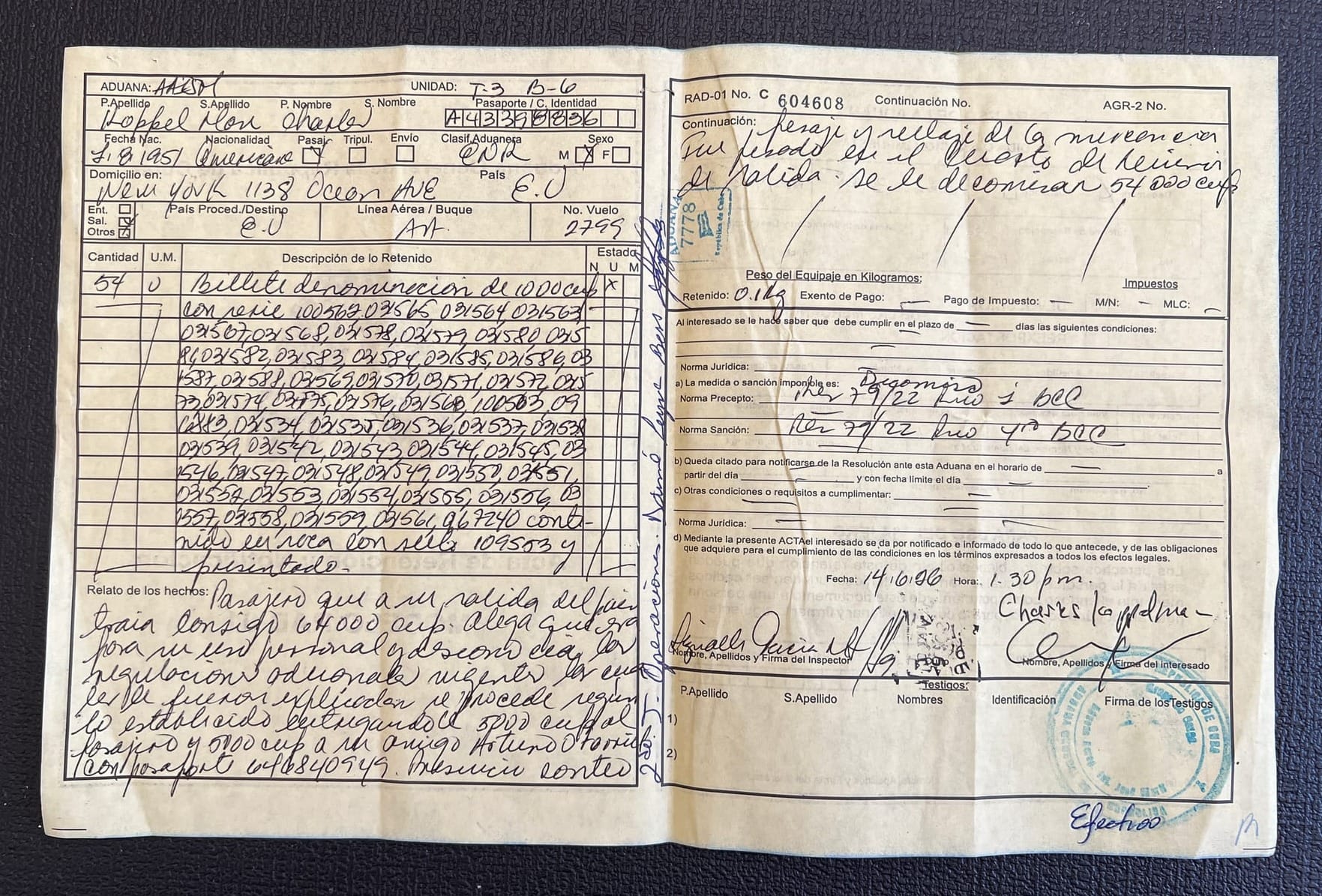
One more thing: if you travel to Cuba, do not leave with more than 5,000 Cuban pesos (about $9.00). Because they will confiscate the rest.
A fact I'm very much aware of now.
PS: If you are enjoying Documentary Notebook and find it of interest, please do me a favor: forward it to five friends you think will also like it. Or send then the link below. Thanks!
Comments ()