When Documentaries and Features Collide
Documentary Notebook is a weekly newsletter for people interested in the state of the genre, people behind the camera, and the process of making documentaries.
I am interested when documentaries inspire dramatic feature films. Which is pretty unusual.
More often, feature films lead to documentaries — normally a behind the scenes chronicle.
This was in the news last week with a film about the making of the second Exorcist movie. Which the New York Times characterized this way:
A documentary looks back at what went wrong — and right — during the making of Exorcist II: The Heretic, the director John Boorman’s maligned 1977 sequel.
You can read the story here.
I’m not a fan of the Exorcist movies. I never saw the original when it came out. I’m just not into horror.
That said, I am always curious about getting behind the scenes. So maybe I’ll see that one.
I wrote and directed a dramatic film that was motivated by a documentary. I’ll get to that in a moment.
Here are a few documentaries paired with their dramatic feature twins. The ones I’ve seen are in bold.
Man on Wire (2008) >> The Walk (2015)
Grey Gardens (1975) >> Grey Gardens (2009)
Z-Boys (2001) >> Lords of Dogtown (2005)
Dieter Needs to Fly (1997) >> Rescue Dawn (2006)
The Times of Harvey Milk >> Milk
I liked the ones I saw, other than Grey Gardens (I found it ghoulish) and Milk (it didn’t really move me).
I’m curious to hear from subscribers. Have you seen any of these, or other pairs of non-fiction/fiction? Thoughts?
As for features that led to documentaries, there are lots of “making of” films.
The sausage-making can be brutal and unforgiving. Catnip to us filmmakers.
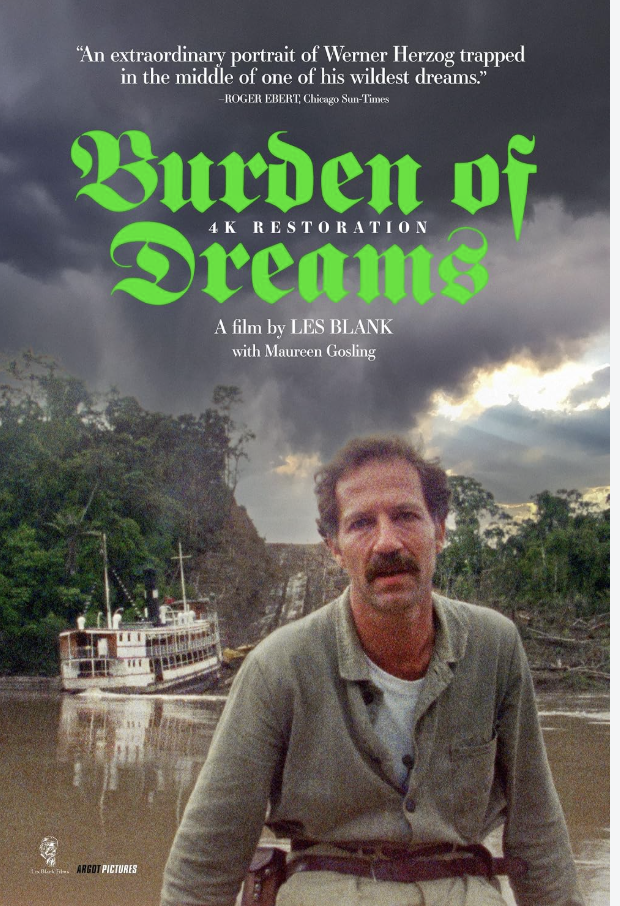
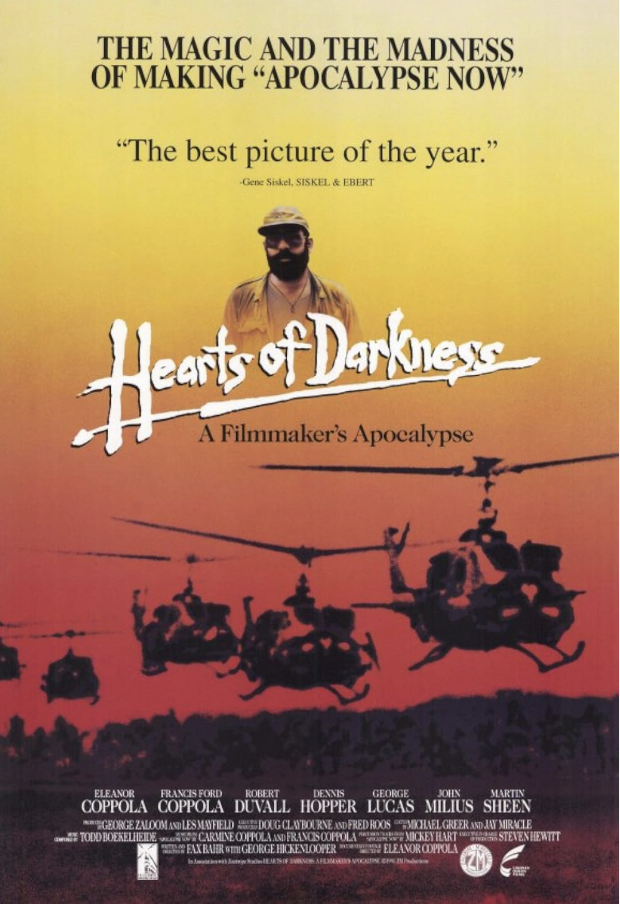
My two favorites making-of documentaries are Burden of Dreams (1982) about Werner Herzog directing Fitzcarraldo in the Amazon starring Klaus Kinski; and Hearts of Darkness, Eleanor Coppola’s documentary (1991) about her husband Frances making Apocalypse Now, also in a jungle.
Maybe it’s the humidity?
An anecdote about Herzog and Fitzcarraldo.
I was a regular at the Pacific Film Archive while in grad school in Berkeley. I had not yet become interested in making films. But the moment sticks with me.
At the time PFA was located in the basement of the Berkeley Art Museum. The late Tom Luddy was the Program Director. He would later detour over to San Francisco and be a producer for (there he is again) Frances Ford Coppola.
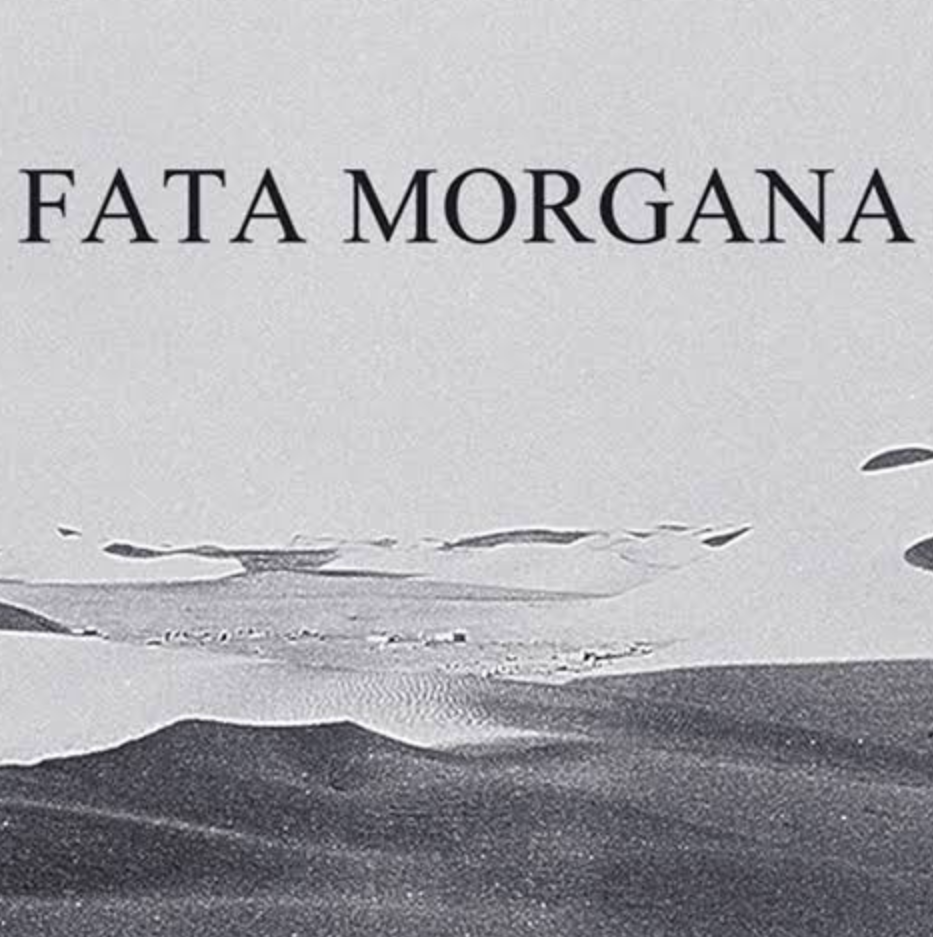
Herzog appeared in person one night, showing Fatama Morgana, his visual poem about mirages in north Africa. It was stunning.
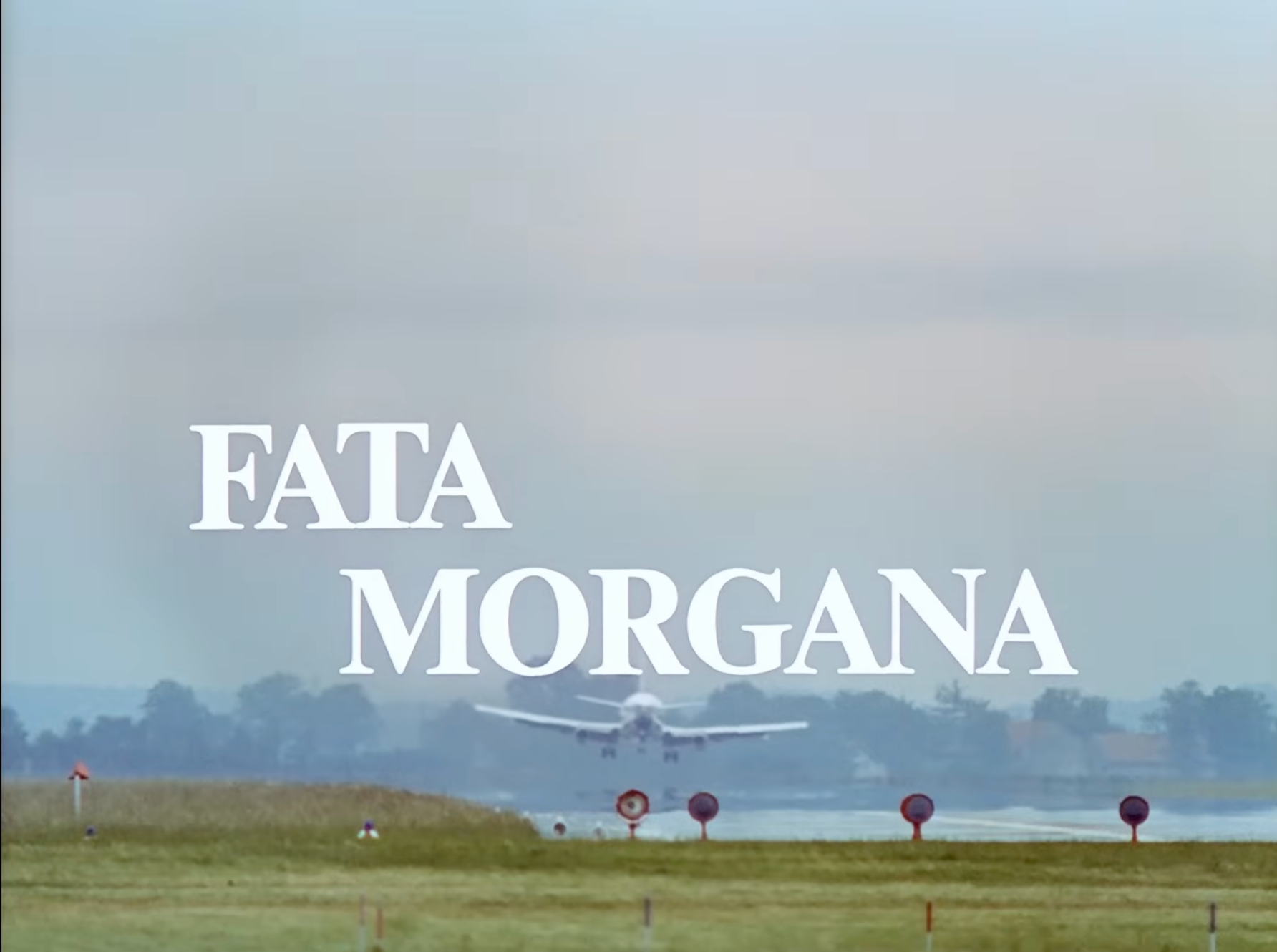
You can watch it here.
Afterward, at the end of the Q&A, Herzog announced he was immediately leaving for Brazil to start a dramatic feature film about a madman trying to build an opera house in the jungle. He needed crew, no experience necessary. That was Fitzcarraldo.
If anyone was interested, they should come up and talk to him.
I wonder how my career might have turned out had I gone with him to Brazil.
I did eventually meet and get to know the filmmakers behind Burden of Dreams, who are also based in the East Bay: Les Blank and Maureen Gosling.
Thoughts on Adaptation
Making a book into a film is challenging. Especially a well-loved book. Reader/fans usually come away saying the film didn’t capture the book.
But in my “book,” great film adaptations are better off keeping their distance from the book. It's a matter of apples/oranges. Get the essence, the characters but leave the page behind.
Re-making a documentary into a drama may be even more difficult because they’re both oranges — visual storytelling — and one has actors we're supposed to believe are real people we know.
Suspending disbelief for me is nearly impossible in those cases.
For example, Complete Unknown never got off the ground for me with Timothée Chalamet playing Bob Dylan.
I want the real Bob, not a close approximation. As in D.A. Pennebaker’s Don’t Look Back, which I’ve watched several times. And wrote about in this Newsletter.
My own experience negotiating between documentary and drama began with a one-hour PBS Special I helped produce for Bill Moyers. It was called The Circle of Recovery and centered on a group of African American men in the San Jose area, many of whom were military veterans. They formed their own self-help group to deal with issues of addiction, belonging, and identity.
The guys spoke frankly and emotionally about what they were each going through that week: family, work, prejudice, staying clean.
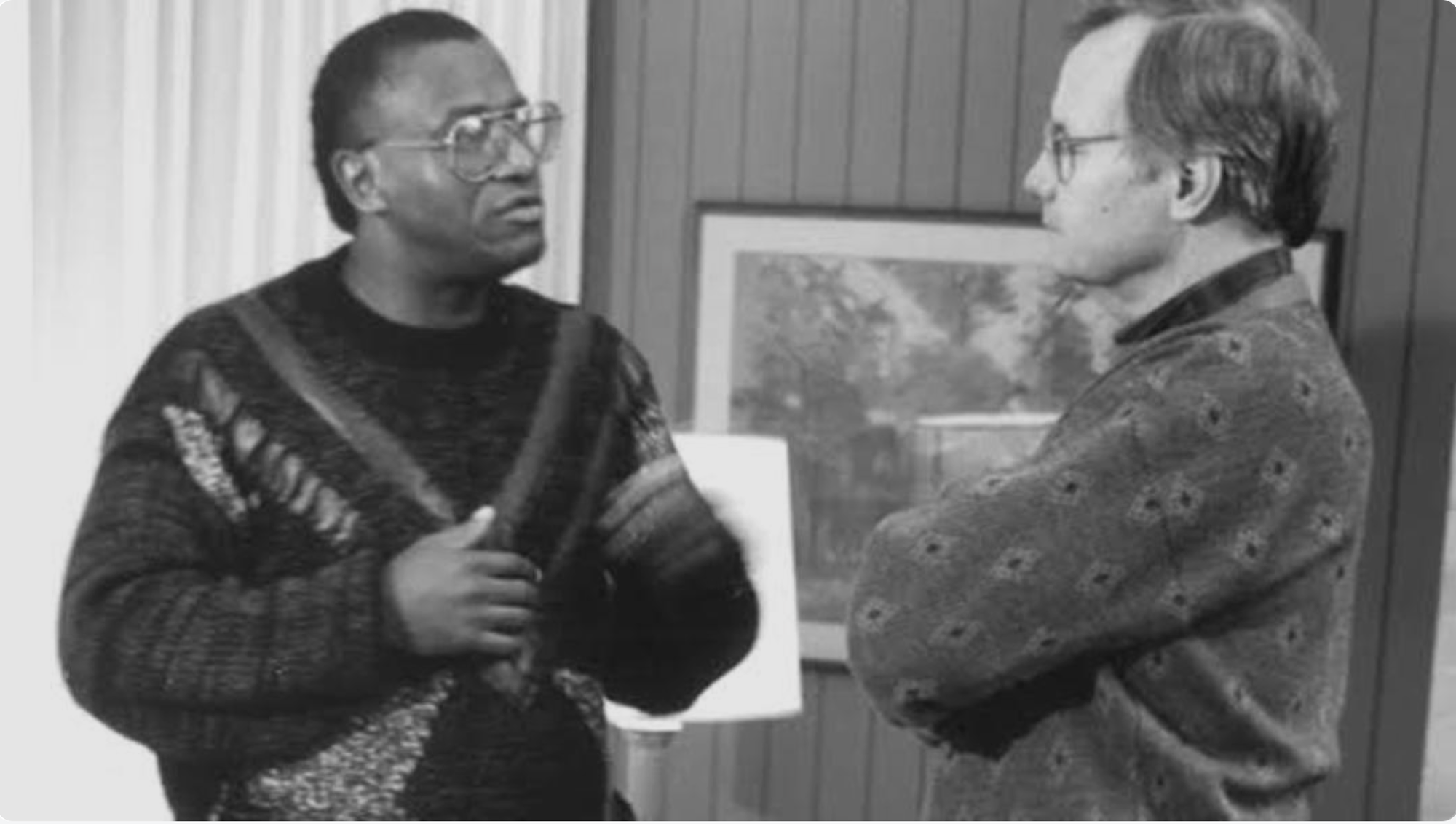
The film was broadcast nationally, it got great reviews, and most importantly to me, the men felt their participation was rewarded.
But I felt incomplete. It wasn't possible for the documentary, however well made, to express the depth and complexity of those men as I got to know them both on and off-camera.
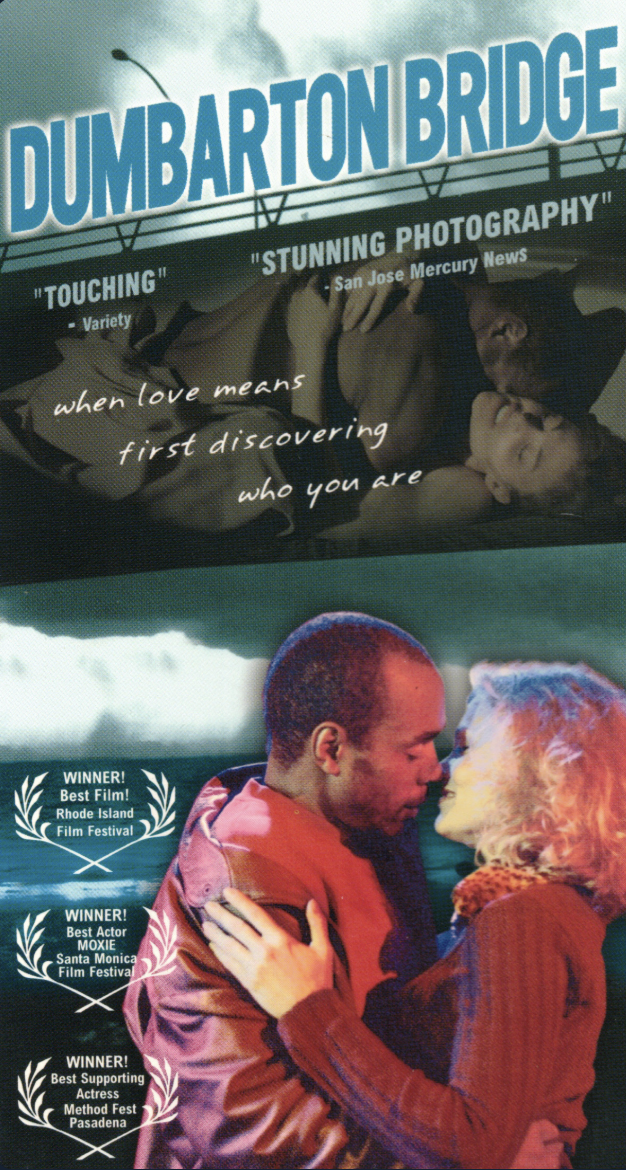
So, I decided to write and direct Dumbarton Bridge a dramatic feature film inspired by the men and their stories.
One of the men in the documentary, Kenny Hall, played himself in an important scene in the feature. That's truly crossing over!
Naturally there is a lot more freedom and control in a drama, in terms of narrative, emotion, and character. But it’s a heavy lift in terms of budget, financing, and production.
Dumbarton had a successful round of festival screenings, won some awards, and was licensed for cable (remember cable?) on BET. Netflix picked it up during its red envelope phase. But like many smaller indie films, it did not make the cut for streaming.
Until now.
I am pleased to report that Dumbarton Bridge is once again available for streaming, here.
Comments ()