
Sources Sometimes Just Show Up
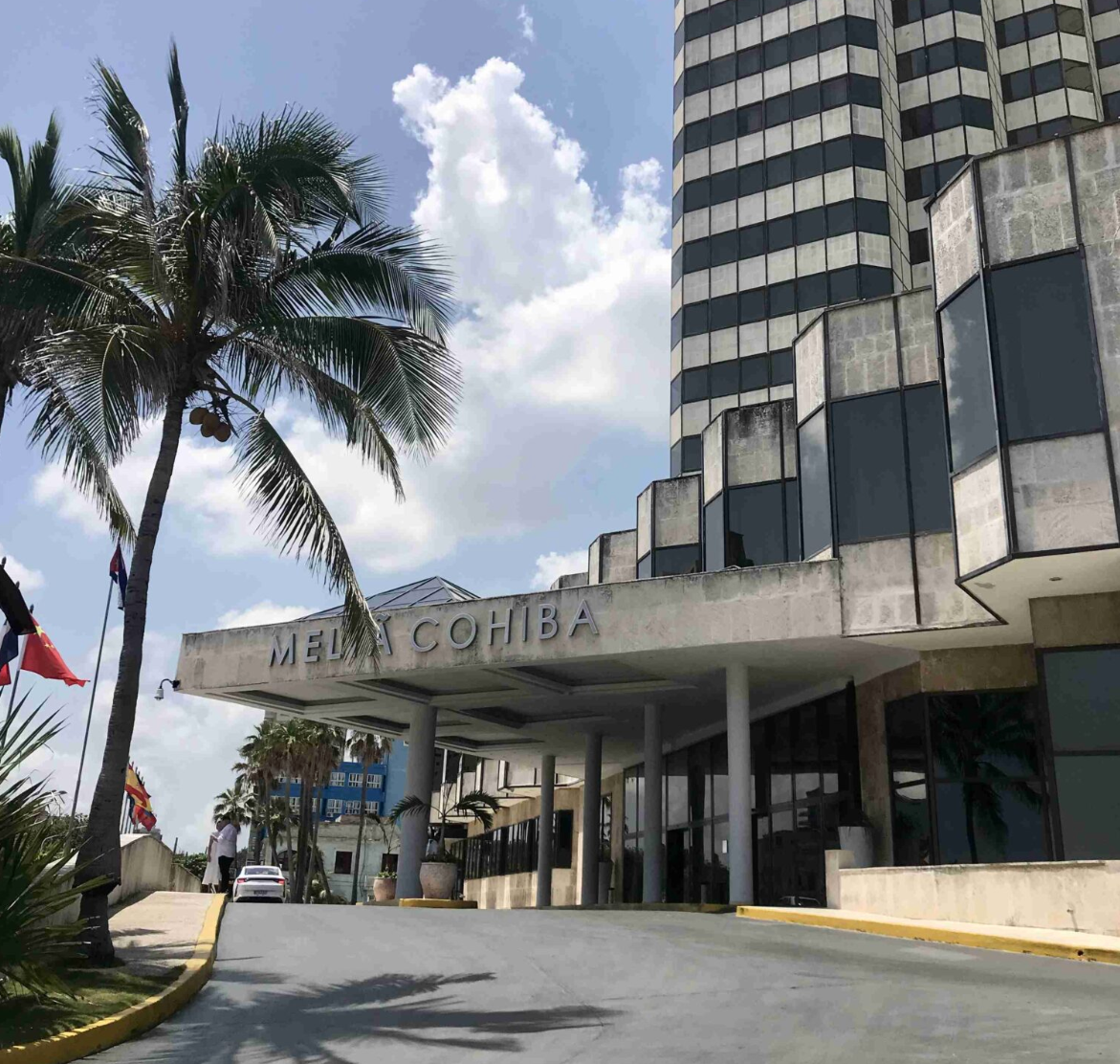
A couple of weeks ago I was sitting in the lobby bar at the hotel Melia Cohiba in Havana. Sipping an afternoon coke because the espresso machine was broken.
Welcome to Cuba.

I was scrolling through news on my phone (the hotel had great WiFi), when the phone rang.
The name Jim Wilkes appeared on the screen. What in the hell?
I hadn’t spoken to Wilkes for over two years — ever since we talked about having his "friend" Erika Jayne appear in my documentary about her husband Tom, the Ponzi-scheme-running attorney.
At that time Wilkes was Erika’s sugar daddy. No secret since the two of them were all over social media. He appeared in the Hulu/ABC documentary, The Hustler and the Housewife and attested to the fact of supporting her move out of the Pasadena mansion, and paying her six-figure legal fees.
Wilkes and the Girardi’s had been friends for at least twenty years. Like Tom, Wilkes was a successful plaintiff’s, having made his bones and a ton of money fighting and winning claims against Florida nursing home chains for abuse and neglect.
Wilkes has been praised for improving patient conditions and criticized for costly litigation that drove many nursing homes into bankruptcy, according to the Tampa Bay Times.
Erika had agreed in principle to sit for an interview with me. Then all went dark.
Eventually her attorney Evan Borges, who did go on camera, and I consider a friend of the film, recommended I ask Wilkes, since he was more or less her gatekeeper.
Borges made the introduction.
That phone call with Wilkes did not go well.
“I don’t know anything about you,” he growled. “What have you done?”
Whatever I said didn’t convince him.
Weeks later he sent me a text:
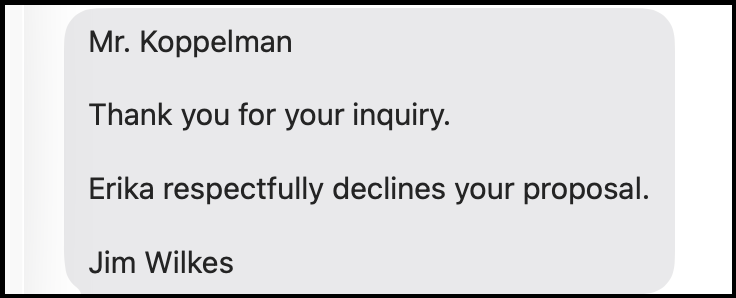
Now, over two years later he’s calling me? In Havana?
Fortunately, my phone was on Wi-Fi assist, otherwise his call would not have come through.
I let it ring a couple of times and made a mental pivot from opera, Havana, and not having an espresso to — Girardi film, Erika, and Jim Wilkes.
He did all the talking. Like a good journalist my job was to listen, and occasionally ask a question.
Wilkes’ theory of the case is that Girardi was an unwitting accomplice in a money laundering scheme. Shady characters were lending him money to finance mass tort cases. And Girardi was over-spending, so he needed the cash.
Getting outside funding is not unusual for plaintiff’s attorneys. They work on contingency fees, not getting paid unless their clients win.
The payoff for a plaintiff's attorney?
Thirty-five to fifty percent of settlement fees, plus expenses.
When you settle a mass tort case like the one against PG&E for $333,000,000 (see “Erin Brockovich” film), or again drugmakers like Merck which settled the Vioxx case for $4.85 billion... yeah, do the math.
Working on contingency means plaintiff’s attorneys front all expenses: court fees, expert witnesses, depositions, etc. Litigation funders put up needed capital with the prospect of getting their money back, plus interest of 18% or more. They invest in cases which they feel will be winners. Otherwise they lose their entire investment.
I already knew about these litigation funders. In fact, I filmed Joe DiNardo, one of the more notorious, when he was at the Las Vegas attorney’s convention where Jay Edelson, Girardi’s former co-counsel appeared.
Years ago DiNardo had been convicted of tax evasion, reportedly taking the fall for his law firm’s partners. I heard rumors DiNardo had ties to the Mob.
Did Wilkes have proof about Girardi's litigation funders? Would he go on camera?
I gazed out at the Malecon and the Caribbean beyond.
Wilkes said he did and he might.
I told him I was in Havana and would soon be passing through Miami, changing planes for the west coast. Let’s meet, I said.
He grumbled about being in Tampa and not having time. He said we should schedule a Zoom for when I got home.
Meanwhile, I did some more digging about Wilkes.
In his Instagram biography he describes himself as a "US Army '69-72 Vietnam Vet songwriter, music publisher, lawyer, elder advocate, world champion boxing manager, political consultant, humanitarian."
Okay, that covers the waterfront.
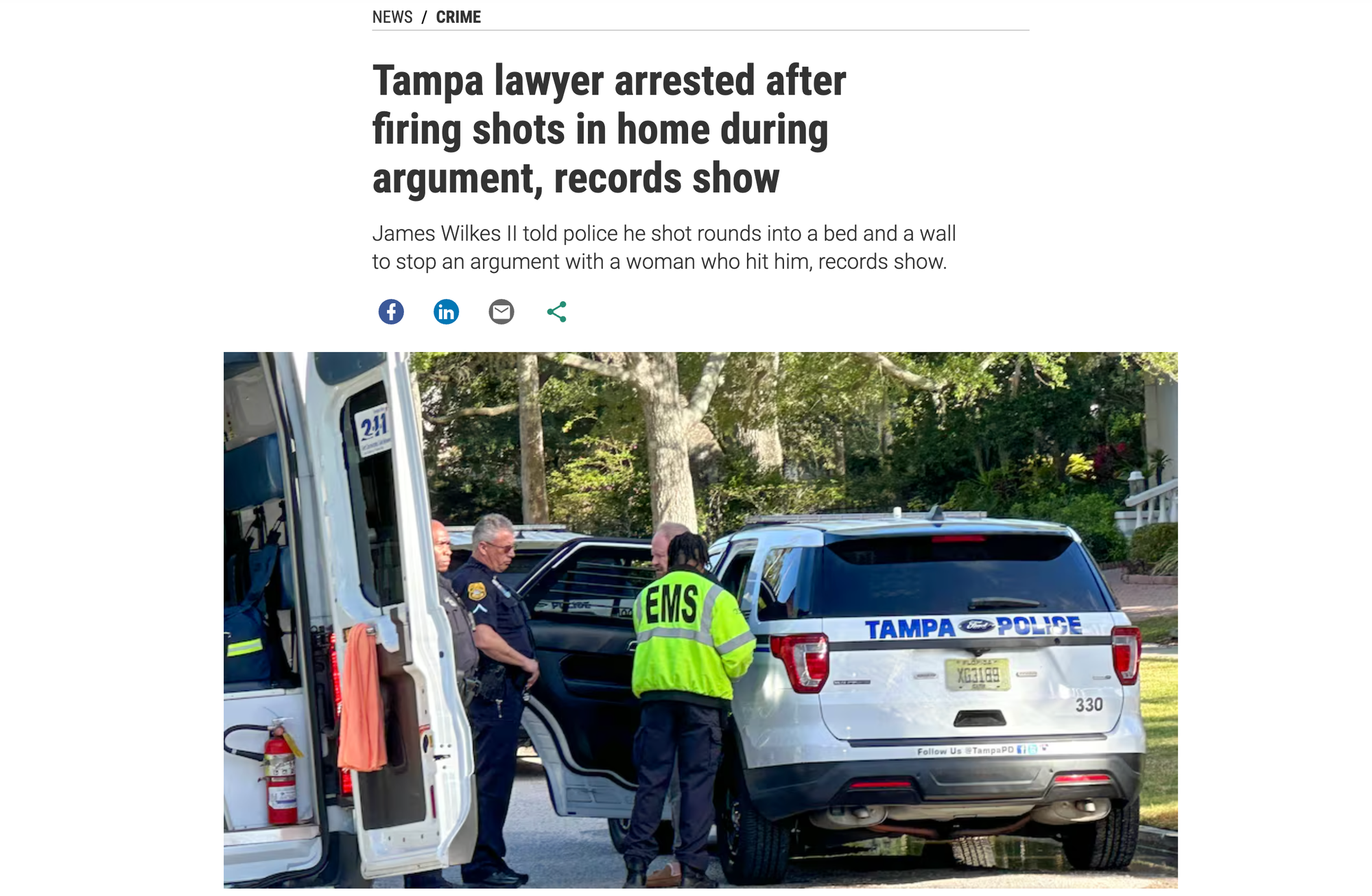
I found some other news that was troubling. Not unusual for a source with dirt to share.
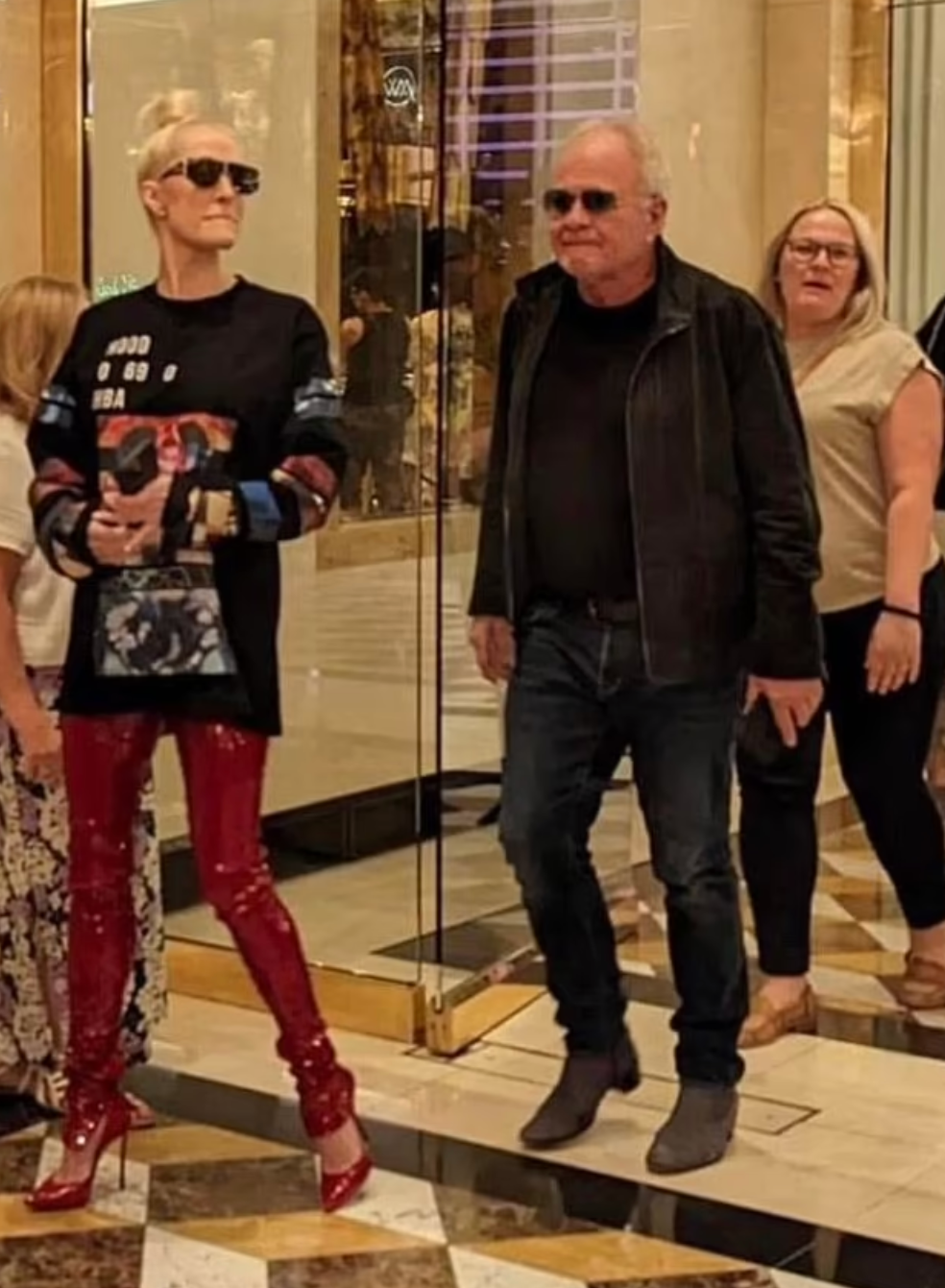
Three years ago the Daily Mail (natch) ran a story with the image below, saying Wilkes and Erika "stepped out at Caesar's Palace" in Las Vegas. I guess that's the euphemism they use in the U.K.
A couple of weeks after Havana Wilkes was one the phone with me for an hour.
More theories, references to documents, and some whining about his situation — his house was overrun with mold, and he wasn’t feeling too healthy.
So, why does any of this matter?
For one, I’m regularly amazed how documentary filmmaking means connecting to, and having substantive interactions with people I would otherwise never know. Nor have any reason to meet.
Keeps life interesting.
Another observation: sources come in all shapes and sizes, with motivations that are beguiling and beyond knowing.
And that’s not my business. Reasons for coming forward — even after two years? I don’t really care, do you?
It’s a matter of whether they further the story. Is their information new or revealing? Will the audience believe them?
Well, forget that last one.
Some of my favorite documentaries include unreliable narrators; characters in the full sense of the word who may or may not be telling the truth. They can add to the texture and mystery of the narrative.
My mantra is let the audience decide when it comes to subjective elements.
Of course, never intentionally confuse or misstate facts.
But when someone like Wilkes comes along, why not add some spice? If he has the receipts, that is.
And if he commits.
Comments ()