Origins of Originality
Documentary Notebook is a weekly newsletter for people interested in the state of the genre, people behind the camera, and the process of making documentaries.
I was struck this week by two stories, both having to do with creativity and originality.
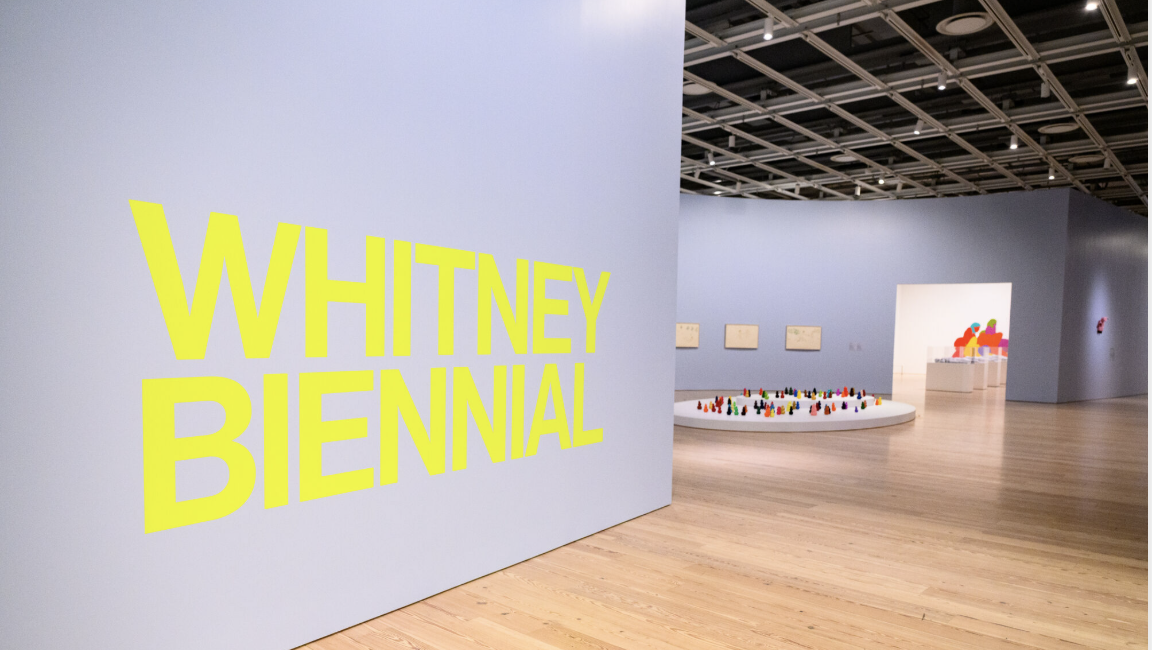
This is from the New Yorker by Hilton Als — a review of the Whitney Biennial which opened in New York.
The show usually features up-and-coming artists and is sometimes organized around a theme.
This is his view:
“… facsimiles of facsimiles by makers who have little if any relationship to what they’re putting out there, aside from its being a product in service of a career.”
Ouch.
Granted, I haven’t seen the show. Nevertheless, that sentiment strikes a chord. Not so much about the artwork, but about approach and intention. How does this relate to documentary filmmaking?
It raises a question: how to make original films without falling back on pre-existing styles and forms we think may guarantee success.
Of course, that’s a test all artists face, regardless of the medium. But I believe documentary filmmaking makes this test particularly difficult.
The stakes nowadays in terms of financing and distribution, especially non-fiction, encourage playing it safe and imitating others’ successes.
Feature-length documentaries can cost anywhere from $400,000 to $2,000,000, depending on the number of shooting days, licensing life rights — especially with celebrity-driven subject matter — animation, travel, and so forth.
Netflix, Amazon, Apple no longer throw money at documentaries, especially innovative ones with challenging subject matter, like they were a few years ago.
They had made their investments, filled the libraries with “content,” and read the data:
Viewers want true crime, sports, music, and celebrity biopics.
This syndrome is not at all different from studios who crank out big-budget sequels, remakes, and video game-to-movie blockbusters thinking past successes and/or branded intellectual property guarantees a hit. Which they often do.
But not always.
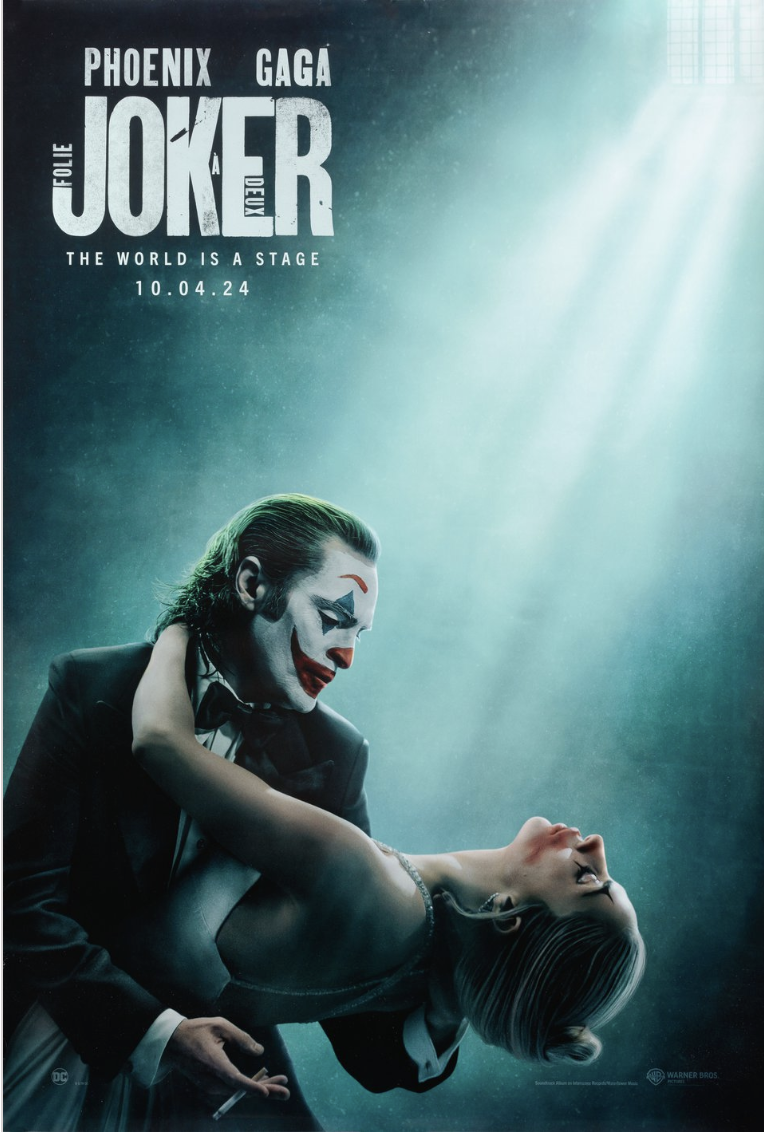
(See for example recent flops such as Borderlands, Joker: Folie à Deux, and Snow White.)
But Als makes a more subtle point about artists when he takes a stab at defining what art is:
“…a creative expression of thoughts or feelings that have changed, and contributed to the vision of, the artists who made it.”
I think what he’s getting at is that in the act of creating the creator is altered, and comes out no longer being the same person, which I found to be true.
If I come out of a filmmaking experience being the same person as when I went in then I failed.
Because that means I was closed off to new people and insights. It meant I started with an agenda, addressed it, and that was that.
I was lucky in my first film.
I had spent weeks filming in Philadelphia and Washington, D.C. with Gloria, the main character of Squatters. She was in her mid-20s, an African American single mother with two young daughters.
Gloria and fellow members of ACORN were fixing up a row house in north Philadelphia that she squatted in so she and her kids could move in and live there, instead of doubled up with her mom in south Philadelphia.
I was filming at her mother’s house. It was the final interview.
For probably the tenth time I asked her to explain why she was taking the risk of being a squatter.
She paused. “I have a question for you.”
"Okay," I said.
“Why are you making this film?”
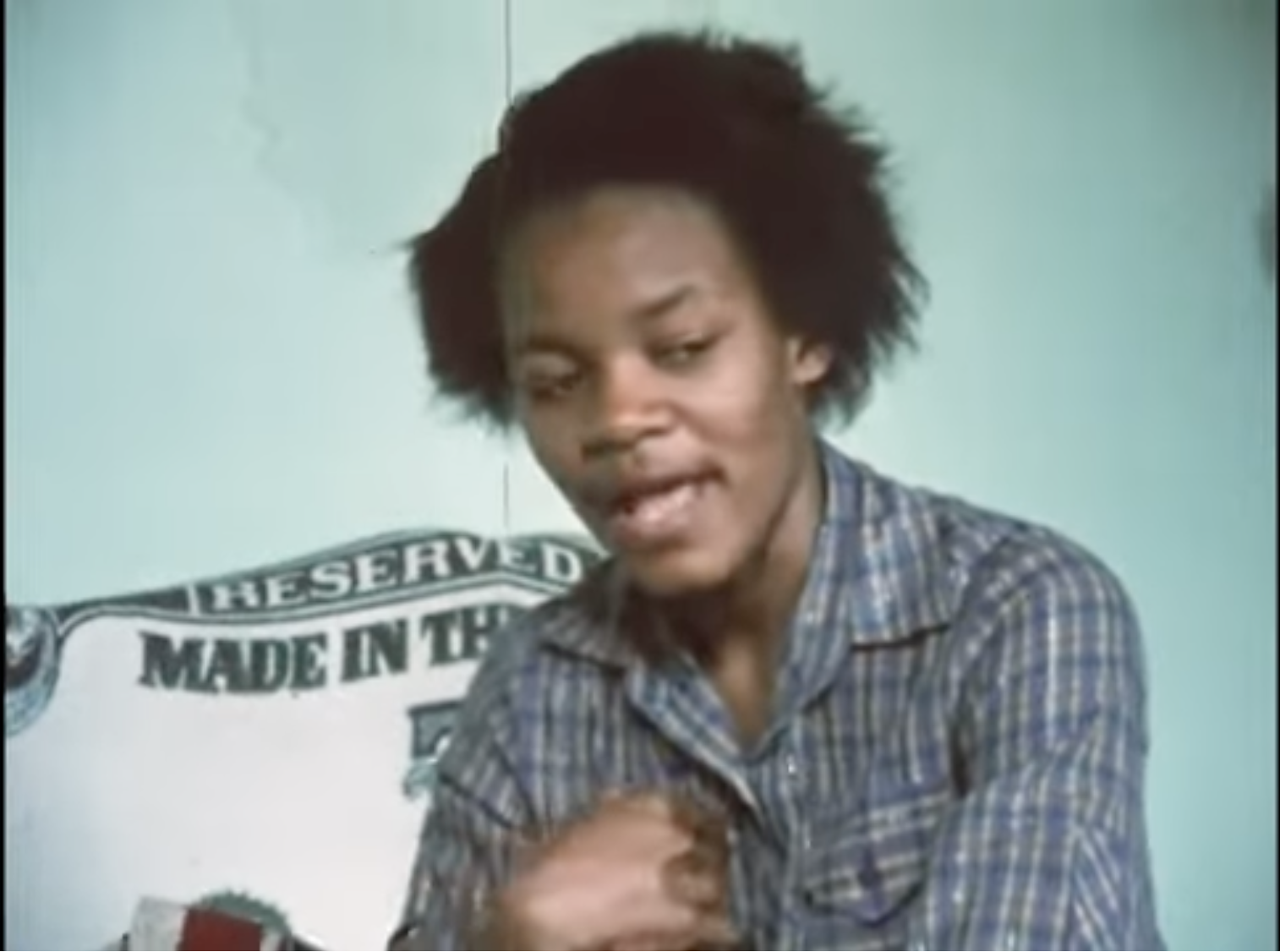
I was caught unawares.
But I was focused enough to ask the camerawoman to stop shooting. After all, we were shooting on 16mm film, every minute of exposed film was costing nearly $100, and I didn't need to pay to hear my own answers.
I bumbled through a bunch of reasons, dreading that she would not be satisfied with my explanation. Perhaps not wanting to continue the interview. Or, even agree to be in the film should my answers fell short.
“Okay," she said. "Let’s continue.”
That moment altered my perception of Gloria and her power (which is part of the story), and the relationship we had as filmmaker/subject.
As Als put it in his New Yorker piece, she “contributed to the vision of, the artists who made it.”
From that moment on I've had a working assumption in making documentaries: If I expect participants to be honest, accessible, and forthright I need to go there first by opening myself up first, baring a bit of my own soul.
The other story that struck me this week was in the New York Times (gift article link) featuring Werner Herzog’s “film school” in the Azores. The story appeared in the Style section. So let that be a caution.
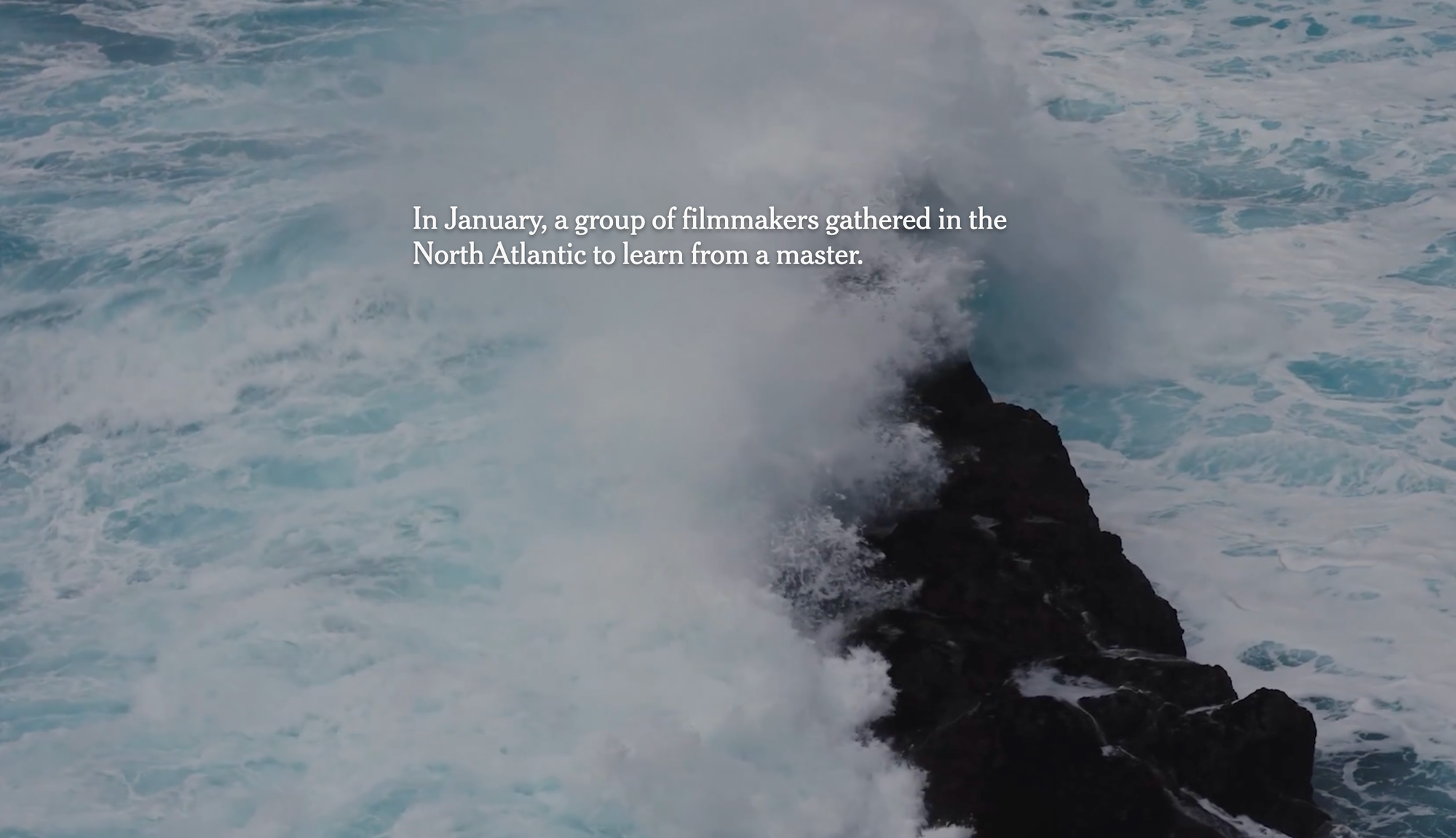
“In January, 50 artists from all over the world were chosen to shoot shorts in the Azores, guided by the iconic filmmaker," the story reads. "They just had to find $10,000 and airfare to get there.”
I love and appreciate Herzog’s work. It’s so richly varied among documentary, visual essay, and drama. And of course, there’s The Voice.
The article leans a bit into glorification. Consider the sub-heads such as The Master and Adulation, but it does include some stunning video clips.
And it pulls out the essence of Herzog’s approach to filmmaking:
“Please, pretty please, give me a good story.”
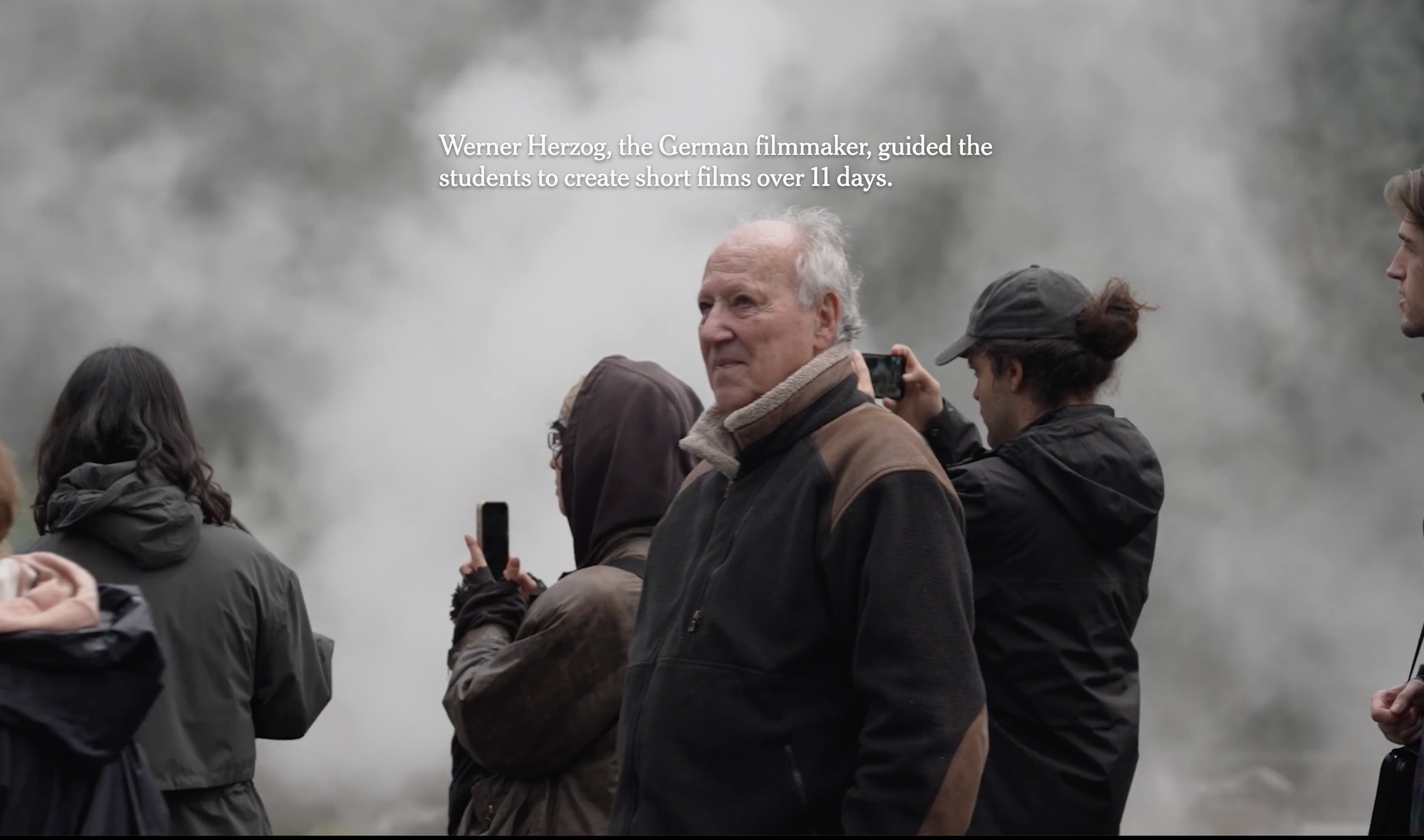
What gave me pause, returning to the theme of this newsletter, is the question of creativity and originality.
“Often Mr. Herzog would advise one filmmaker when an eager crowd would form around him, as if pulled by a magnetic force.”
It’s like the theory of the great man of history. A powerful, charismatic figure with a gravitational pull that may or may not serve the cultivation of one's own imagination.
Inspiration? Yes.
Mentoring? Apparently, and available for $10,000.
Originality? Not transferrable.
We already have our own voices. It’s a matter of being confident enough in their expression to get the camera, turn it on, and keep going despite self-doubt, worrying about the market, and being under-capitalized.
Two items on the way out:
• Congratulations to Jon Lee Anderson, my partner on the documentary Discord Democracy, for being awarded the Polk Award's Sydney Schanberg Prize for Congo’s Thirty-Year War, his article in the New Yorker highlighting, "the complex historical and current forces driving a conflict that is spreading to neighboring countries and spawning scores of ethnic militias at an incalculable cost in human suffering," as the announcement reads.
The prize honors “highly distinguished, deep coverage of armed conflicts; local, state or federal government corruption; military injustice; war crimes, genocide or sedition; or authoritarian government abuses of at least 5,000 words that results from staying with a story, sometimes at great risk or sacrifice.”
• Next week's newsletter will feature my interview with double-Oscar winning documentary filmmaker, Barbara Kopple. (No relation, as far as we know.)
Comments ()