My Friend Barbara

Documentary Notebook is a weekly newsletter for people interested in the state of the genre, people behind the camera, and the process of making documentaries.
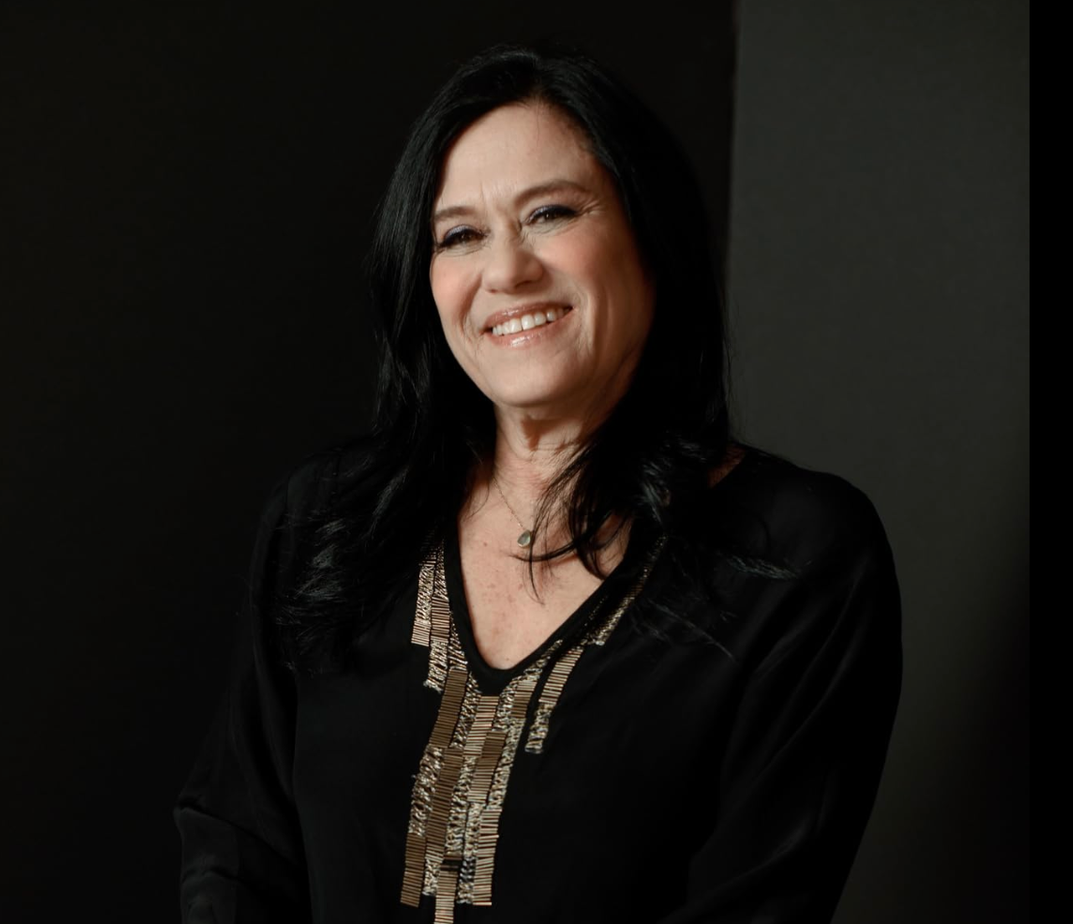
This newsletter is devoted to documentary filmmaker Barbara Kopple, a longtime friend and mentor.
We first met before I became a filmmaker. I was working for the national grassroots low-income group, ACORN (there it is again!) helping put together its convention in New York.
Barbara had agreed to be on the local sponsoring committee.

At the time I had been thinking about making a film about the squatters’ movement ACORN was organizing in Philadelphia. She kicked me in the rear to get going.
Barbara was honored last week at the Sebastopol Documentary Film Festival with the the Lens of Power Award on Opening Night.
Sebastopol is nestled among pastures and apple orchards west of the Napa Valley, a one-hour drive from my place in the Bay Area.
I made a point to go when I heard Barbara would be nearby, showing a fresh 4K transfer of her documentary Harlan County USA. It was released fifty years ago and won the Oscar for Best Feature Documentary in 1977.
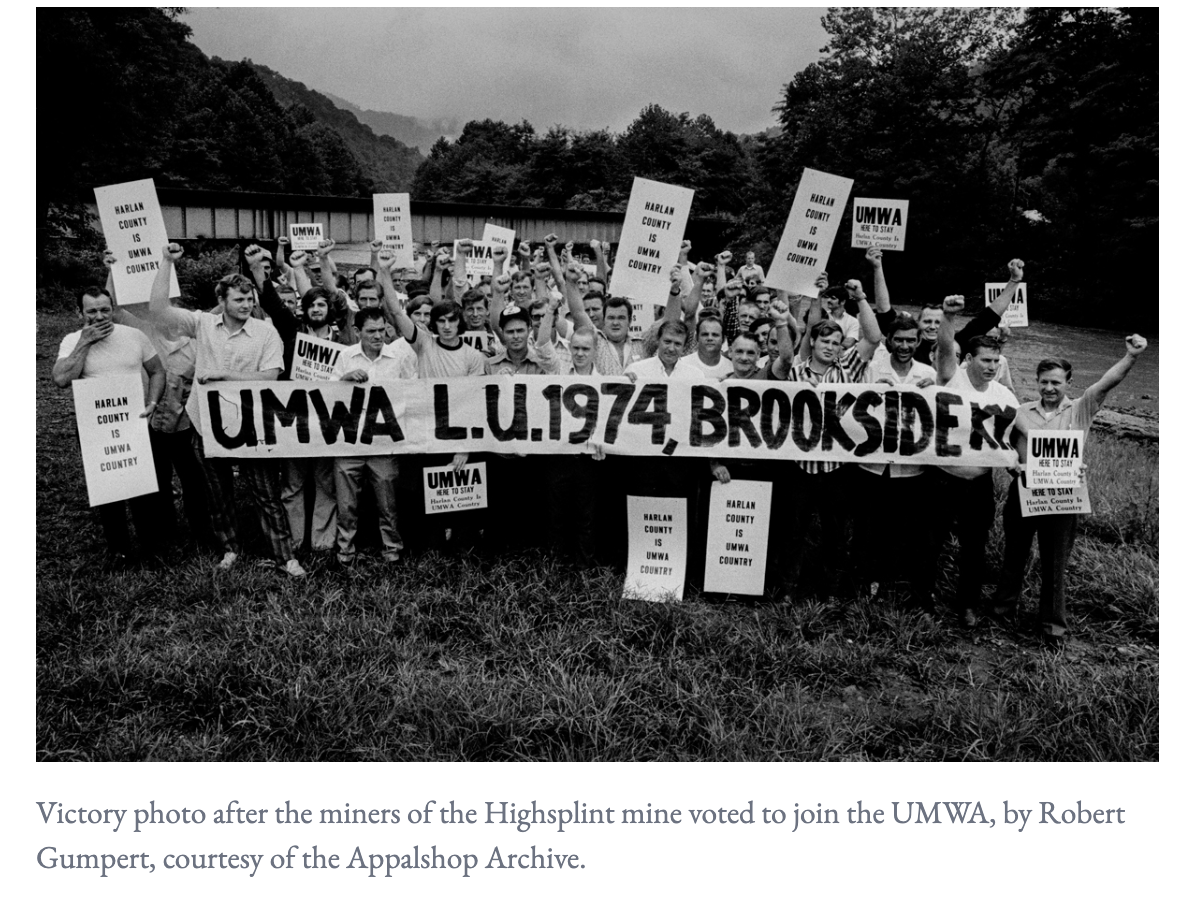
The film tells the story of a year-long strike in 1973 at the Brookside Mine in eastern Kentucky against Duke Power Company. We see mineworkers and their wives during a struggle for a labor contract that included violent battles between gun-toting company thugs/scabs and the picketing miners and the women.
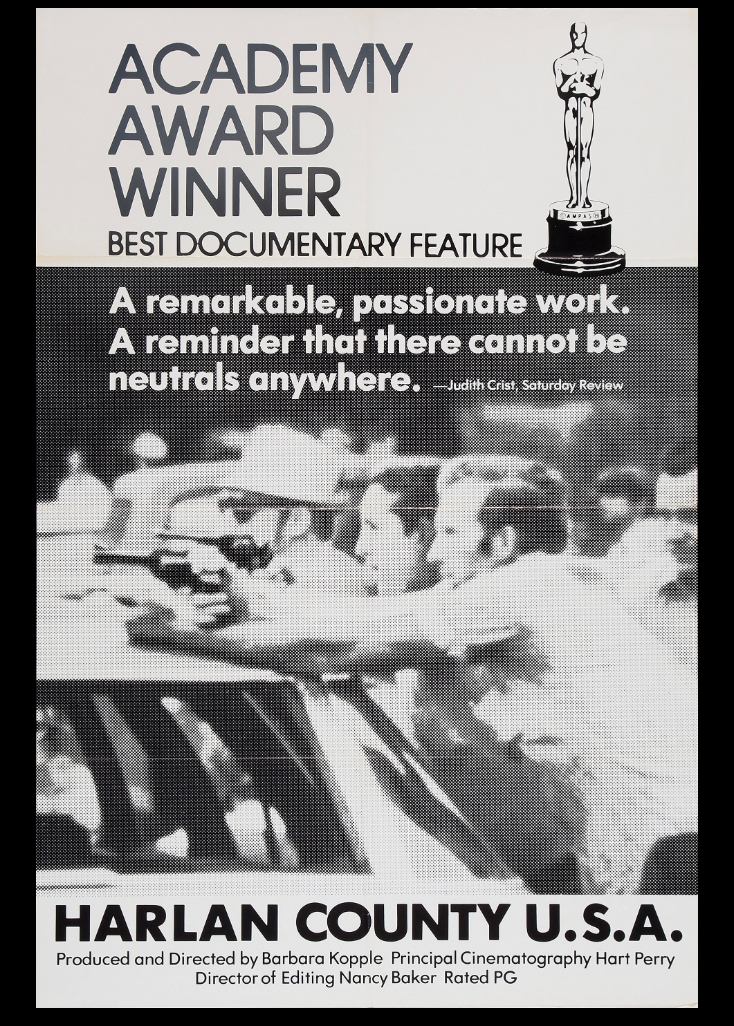
You can see the trailer here.
Below is an excerpt of the interview I did with Barbara just before she screened the picture. It is edited for clarity and brevity.
What are you working on now?
A documentary about modern day unionism. Three different stories woven together involving the Teamsters Union, U.P.S., and Amazon workers who are now affiliated with the Teamsters. These are the delivery guys, mostly immigrants, who bike around New York.
How long have you been working on it?
A couple of years. Not very long for a documentary!
What stage are you at?
I have a rough cut.
You're smiling.
It's really difficult right now because I have to take out material that I love so I can get it down in length.
It must be easier now to get funding with all your awards, credits, and recognition.
[Barbara received a second Oscar for American Dream in 1991.]
(Laughs.)
Actually, it’s been really hard to get this one funded. You can't get grants anymore for anything that has anything to do with social issues. You have to find people who love you. Who will give you a few bucks. You look around your apartment to see what you can sell!
Remember how you encouraged me, my first film, Squatters? We were in New York, and you said…
Just go be with the people! Even if you don't have a crew and you’re not funded. Just go!
What first got you interested in making documentaries?
The documentary Titicut Follies by Frederick Wiseman.
[It was filmed inside the Massachusetts Correctional Institution at Bridgewater, a prison hospital for the criminally insane. The state banned it from being showing for many years.]
It was playing at the Cinema Village in New York City. I was studying psychology at the time. So, I immediately got on a train and went to see it. His film had a huge, huge impact on me.
What kind of impact?
What comes through is the reality and the truth of the people. And I thought, wow, maybe this could be my home. Maybe I could make films and tell stories, too.
How did you get the idea to make Harlan County?
I was listening to my favorite radio station, WNYC. They were talking about the struggle of the Mineworkers for Democracy, the campaign to elect reformer Arnold Miller president of the UMW, to replace Tony Boyle who was corrupt and in bed with the coal companies. I thought, wow, this guy Miller is promising to organize the unorganized. I'm going to go there! I got a $12,000 loan. And we went.
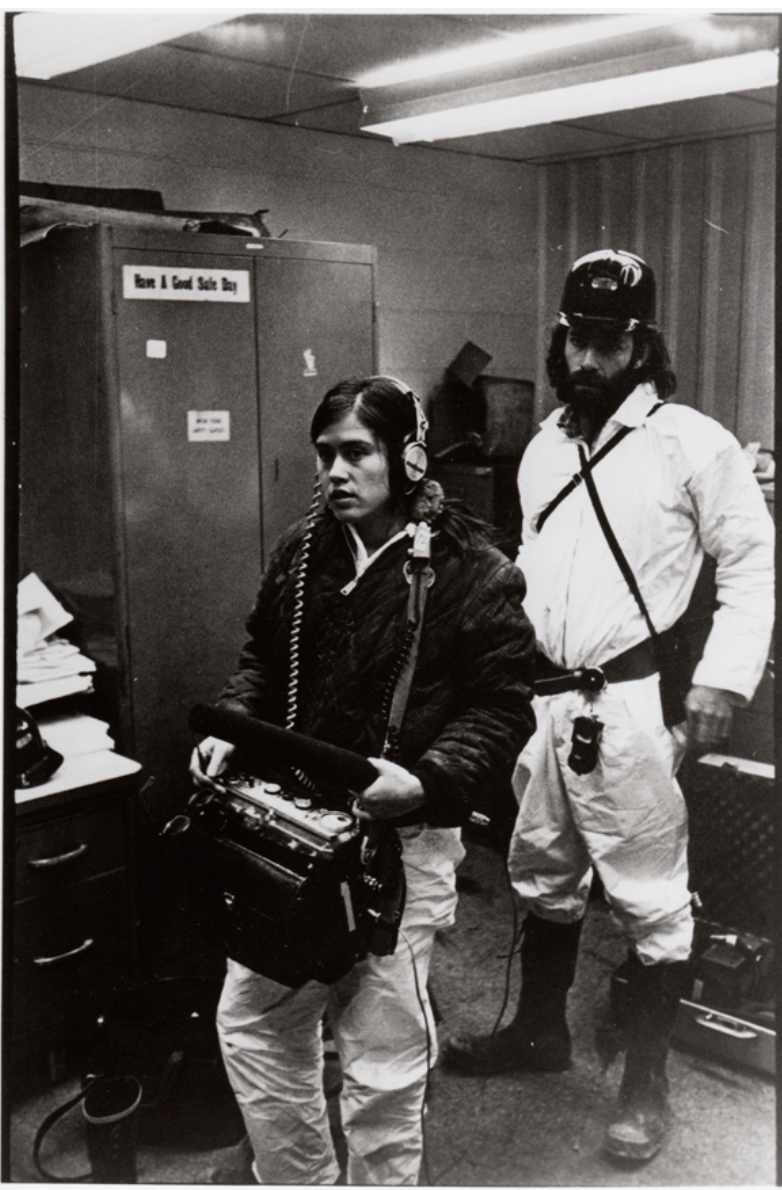
Of course, your attention turned from that election to the Brookside Strike. What was it like being in Harlan County? You were a filmmaker from New York City. Kind of a fish out of water.
True. And as you see in the film, guns are everywhere. I grew up in Scarsdale, New York, a place where you don't use guns or sell hunting guns, or anything. I'd been there about a week or so, and a union organizer called me into a room, opened a case and says, “which can do you want?” There was a cute little pink gun. So, I picked that one. Later they taught me how to use a high-powered rifle. Nobody better screw around!
I found out later there was a bounty put out on my head.
How did you build a connection with people there, build the kind of trust that produces such intimate moments in the film?
We were driving down a mountain not long after we arrived. It was really rainy. Terrible. Another car came rushing past us. We slipped off the road and our car went upside down. All of us were okay. We climbed out the windows and carried our equipment to the picket line. I wanted to be there. I made a promise.
From that moment on they trusted us.
What’s it like watching your first film again, after all this time?
People think that's the only film I ever made! But I love it. I don't care. I'll look at it, and let it be shown as much as people want to see it. There's a new generation of people who can see it.
The filmmakers who inspired you?
Frederick Wiseman, David and Albert Maysles, and D.A. Pennebaker.
In my office, there's a photo by Richard Avedon of the four of us. We decided that we're documentary filmmakers, we're always so serious, let's just laugh and have a great time.
We're all standing in a row laughing. Avedon says, "What's the worst thing that ever happened to you?" Now we're like wooden soldiers, just standing there.
That was the photo, of course. I look at it all the time.
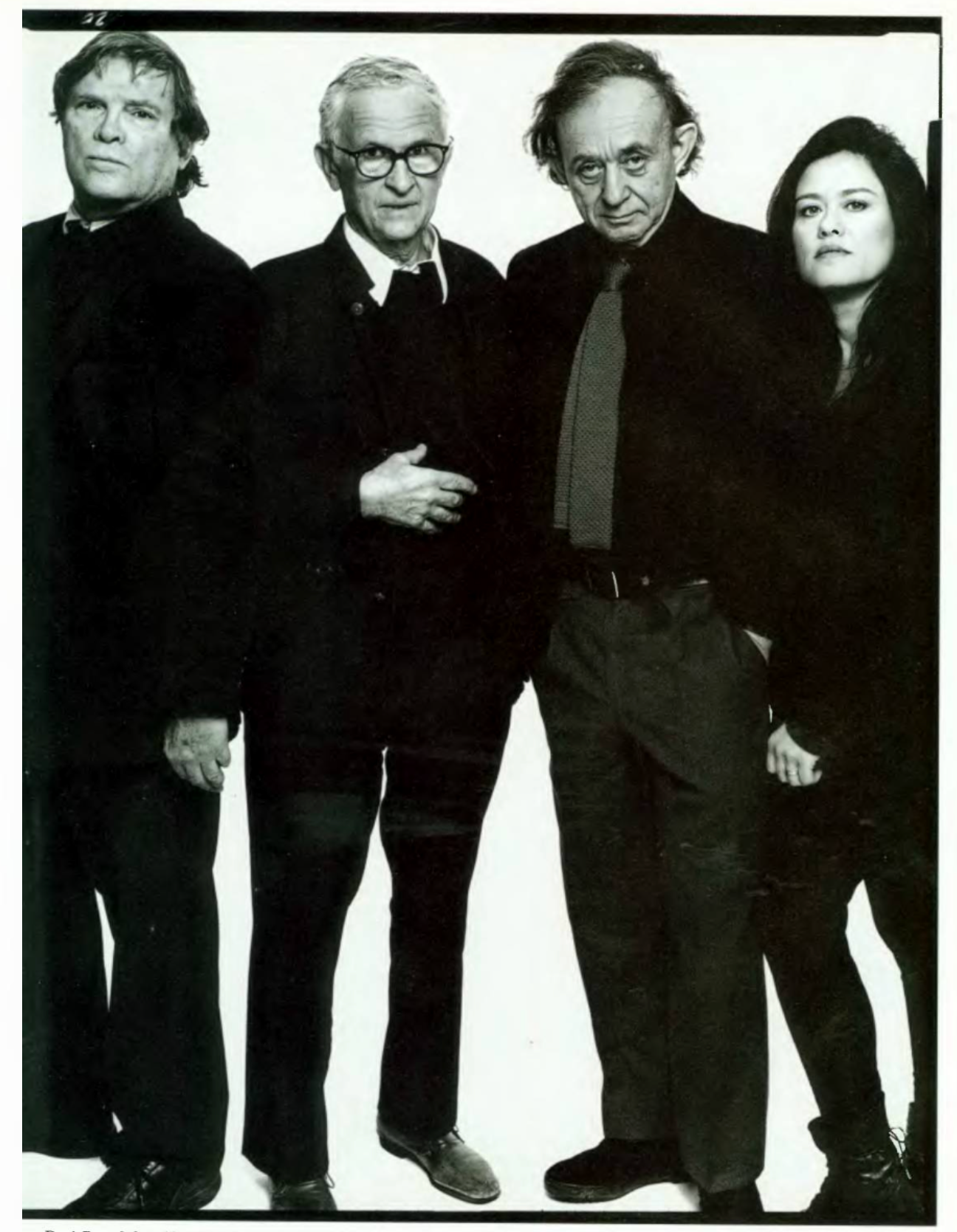
Filmmaking is never a solitary art form. It happens with people that inspire you and shape your career. And the people you work with and believe in the things that you do.
Why have you kept making documentaries?
These films are about passion and patience and the beauty of human beings. I just love people, and love to know who they are, and what makes them tick.
Thanks to John Cooper, former director of the Sundance Film Festival, who moderated the Q&A with Barbara, and allowed me to excerpt some of their conversation.
Comments ()