
Finding the Source

Documentary Notebook is a weekly newsletter for people interested in the state of the genre, people behind the camera, and the process of making documentaries.
For my Tom Girardi documentary film I have one hundred seventy-three sources in my database.
They accumulated over the last five years from news reports, social media, court records, and anonymous tips.
I don’t know if that’s considered a lot for an investigative documentary. Some of you filmmakers out there can weigh in below in the comments.
Some of these sources will be in the final film. Most will not.
For example, Girardi’s brother Robert, who is his court-appointed Conservator, won’t talk to me.
Neither will Bob Baker, an LA attorney who defended Girardi for years when he got sued.
When I reached Baker by phone four years ago, he said, "I'm not interested in anything regarding Ton Girardi." And hung up on me.
The twists and turns in sourcing this film could comprise its own movie.
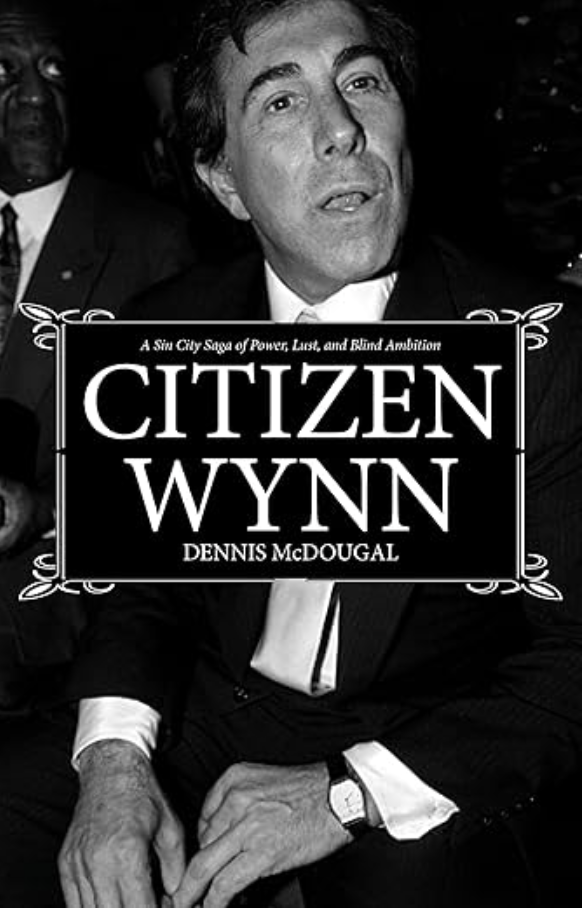
Dennis McDougal was a former Los Angeles Times reporter and author of several non-fiction books, including Girardi’s memoir, May It Please the Court, which he was hired to ghost-write by Girardi.
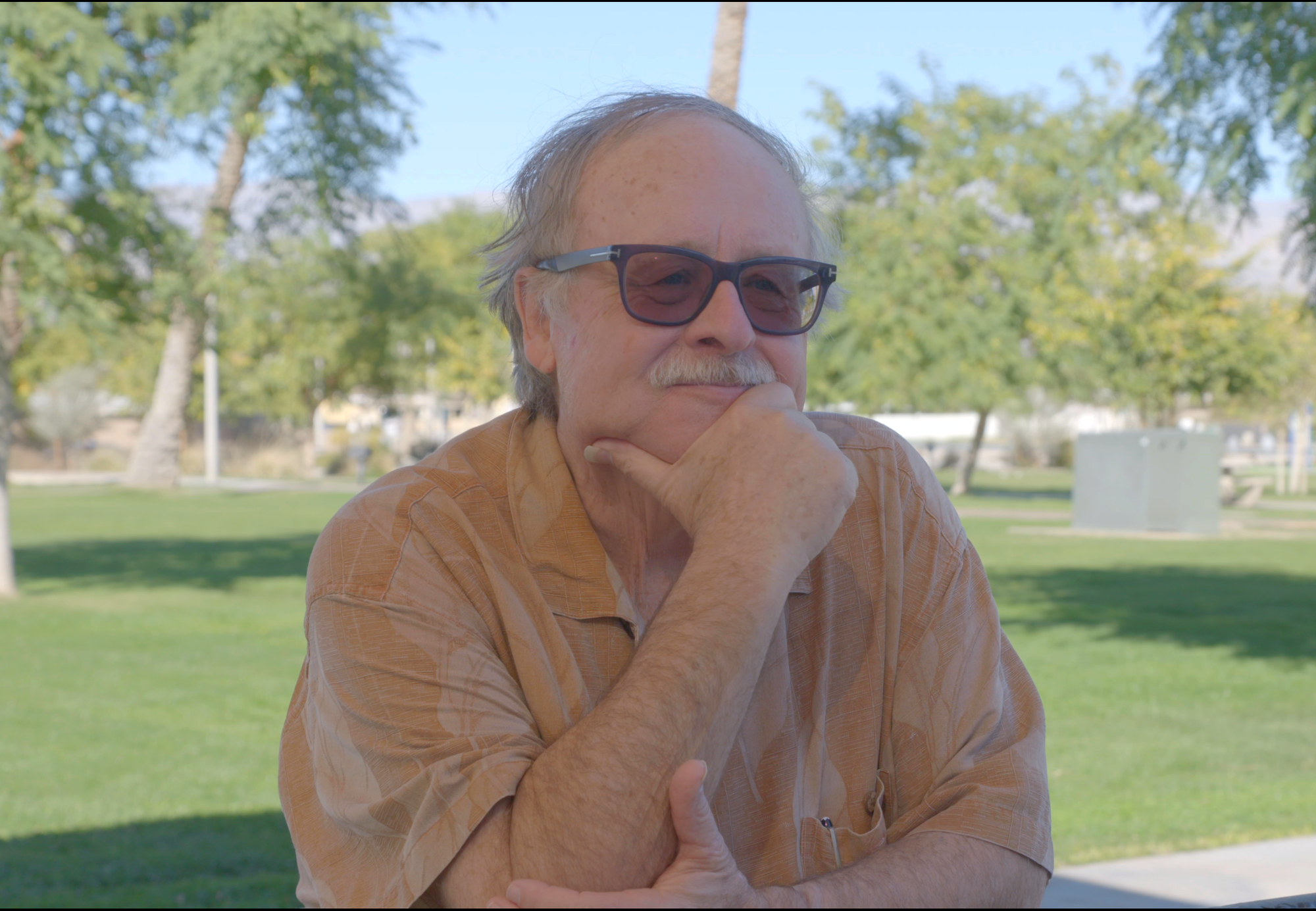
I logged Dennis in my excel spreadsheet after reading an article that quoted him. Then I forgot about him.
Until I had a face-to-face meeting with a different source, a former federal prosecutor who worked alongside Girardi as a name partner in their law firm.
He and I sat across from each other in his well air-conditioned ranch house in La Quinta.
Out of nowhere he said he was in possession of Girardi’s unpublished memoir.
Whoa! I’d like to see that, I said.
No way in hell will I give that to you, he said, smiling. He was a tease like that.
But, he continued, I’ll give you a hint: the author lives outside Memphis Tennessee.
When I got home I checked my database. There he was. Soon Dennis and I connected and we found common ground.
Turns out his book never got published because Girardi stiffed him on the final payment.
Typical.
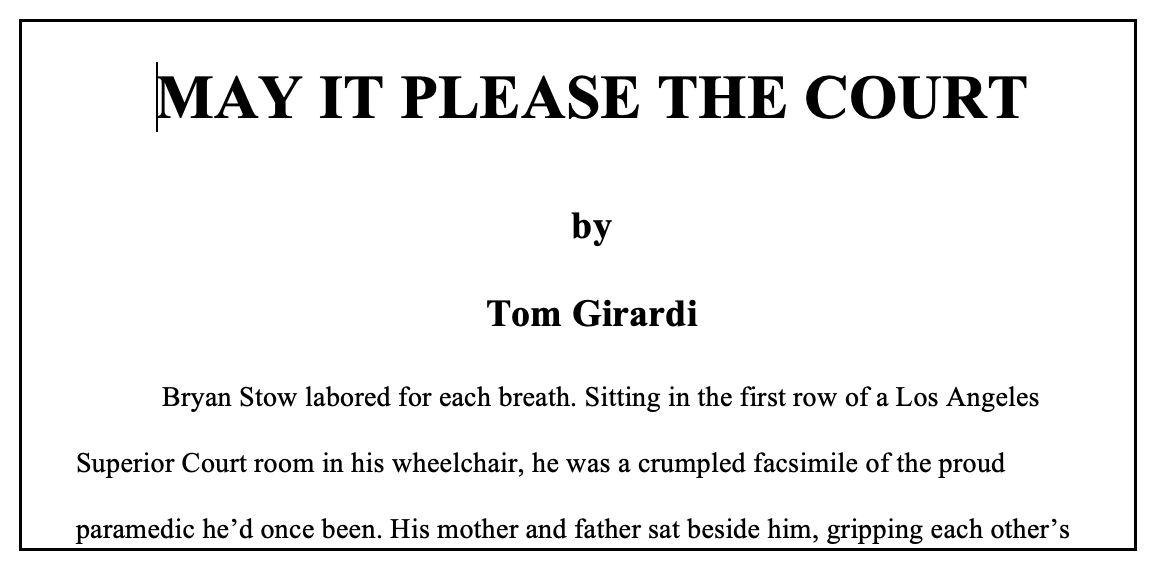
After we had several more phone conversations and finally met in person, Dennis gave me the manuscript. Later he sent me digital files of the audio recordings he did with Girardi when he was researching his book. That's what I call a good source.
Several months later Dennis gave me an on-camera interview. Strangely enough (or not) we did that in a park a few miles from where that other source lived in La Quinta — the one who first told me about the memoir.
Dennis had just come from visiting him because Dennis was finishing his book about Las Vegas casino magnate Steven Wynn. And that guy Dennis and I both knew had spent a lot of time in Vegas. He provided Dennis with some facts about Wynn... on background.
Sadly, Dennis and his wife died in an auto accident on the I-10 east of Palm Springs a couple of years ago.
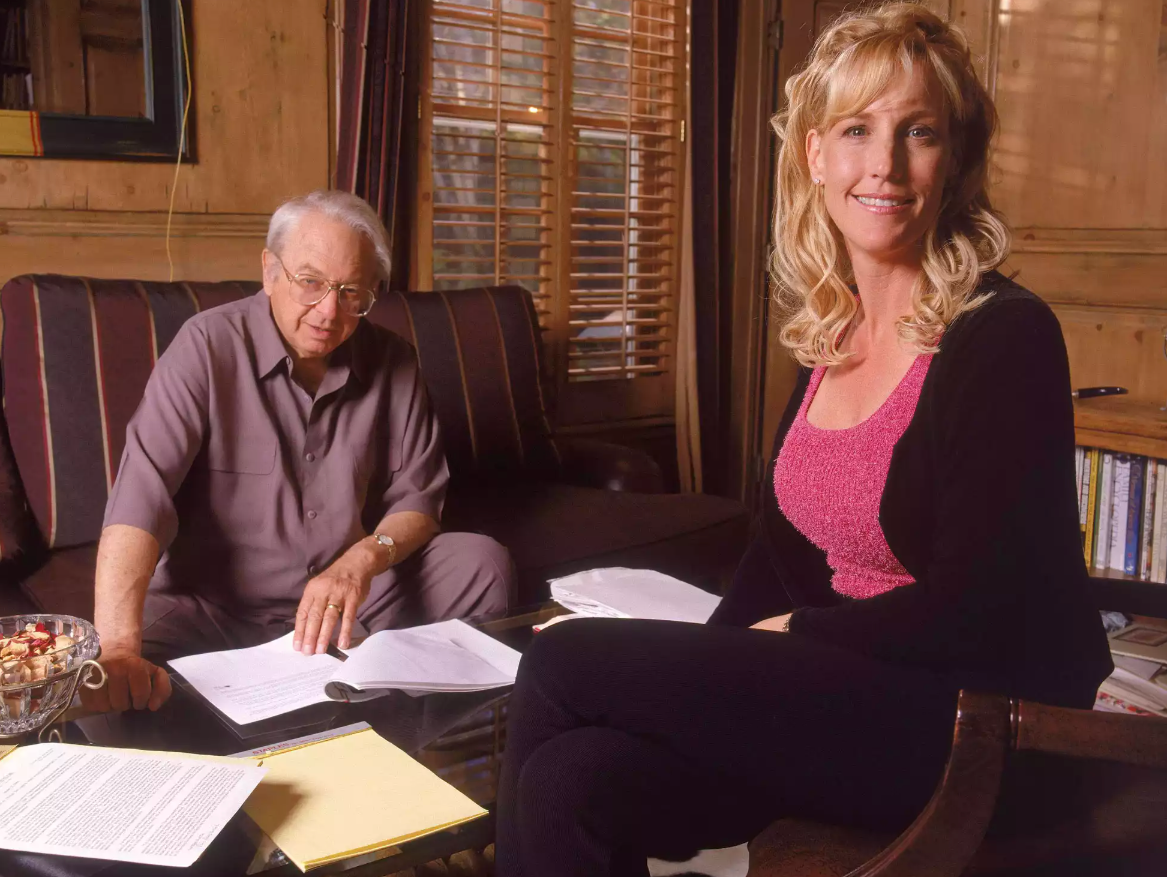
Then there's a source who will probably get away: Erin Brockovich. The actual person who was played by Julia Roberts in the movie.
Several sources told me that after the movie came out, she went to work for Girardi. Finding clients for environmental class action lawsuits worth millions that he was pursuing, as in the PG&E chromium case.
Note to readers: it is illegal to recruit clients for a lawsuit unless you’re an attorney. Erin is not an attorney. This is called case running, or front running. You might use the term “ambulance-chasing.”
I want to ask Erin about Girardi… and her being a case runner.
One source, an attorney who is in the film, told me he was told by another attorney that Erin had been on his payroll. She was paid on a retainer through a separate company so there would be no proof she was getting a fee split.
“Because she's smart and knows she can't do that,” he was told.
It’s unlikely Erin will ever go on camera… but that doesn’t mean I’ll stop trying.
Case runners played a crucial role in making Girardi so successful. So, they have a place in the film.
A week after Lion Air Flight 610 went down in the Java Sea, killing all those aboard, Bias Ramadan — the protagonist in my film — got a knock on his door in Jakarta. Standing there were not one, but two case runners. They were there to pitch Bias about filing a lawsuit against Boeing because Bias's mother died in that 737 MAX crash.
Bias will tell us in the film about that first encounter with Girardi’s representatives. And how he and others who lost family members in the crash were wined and dined at the Four Seasons Hotel where the case runners held elaborate presentations about Girardi and wife Erika.
See, they are so rich and so successful! They will get you lots of settlement money!
One of our challenges is getting one (or more) of those case runners to go on camera to explain their roles and what happened.
One of them, George Hatcher, worked for Girardi for many years. Court records indicate he was paid a monthly retainer of $50,000, plus a percentage of any settlement.

I tracked Hatcher down to the Palm Springs area, where he lives in a gated community (of course). This was right after Girardi was convicted of fraud. I got him on the phone.
Hatcher was brusque but not unfriendly. And he didn’t hang up on me. We could talk once his legal troubles got resolved, he said. The California State Bar is looking into his activities.
Hatcher’s son Azar was also in Jakarta recruiting clients. He seems to have vanished and may be living in Mexico.
We have photos of Hatcher and his son. But not of the the third — let’s call him "M". He's the one Bias and the others trusted because like them, he is Muslim.
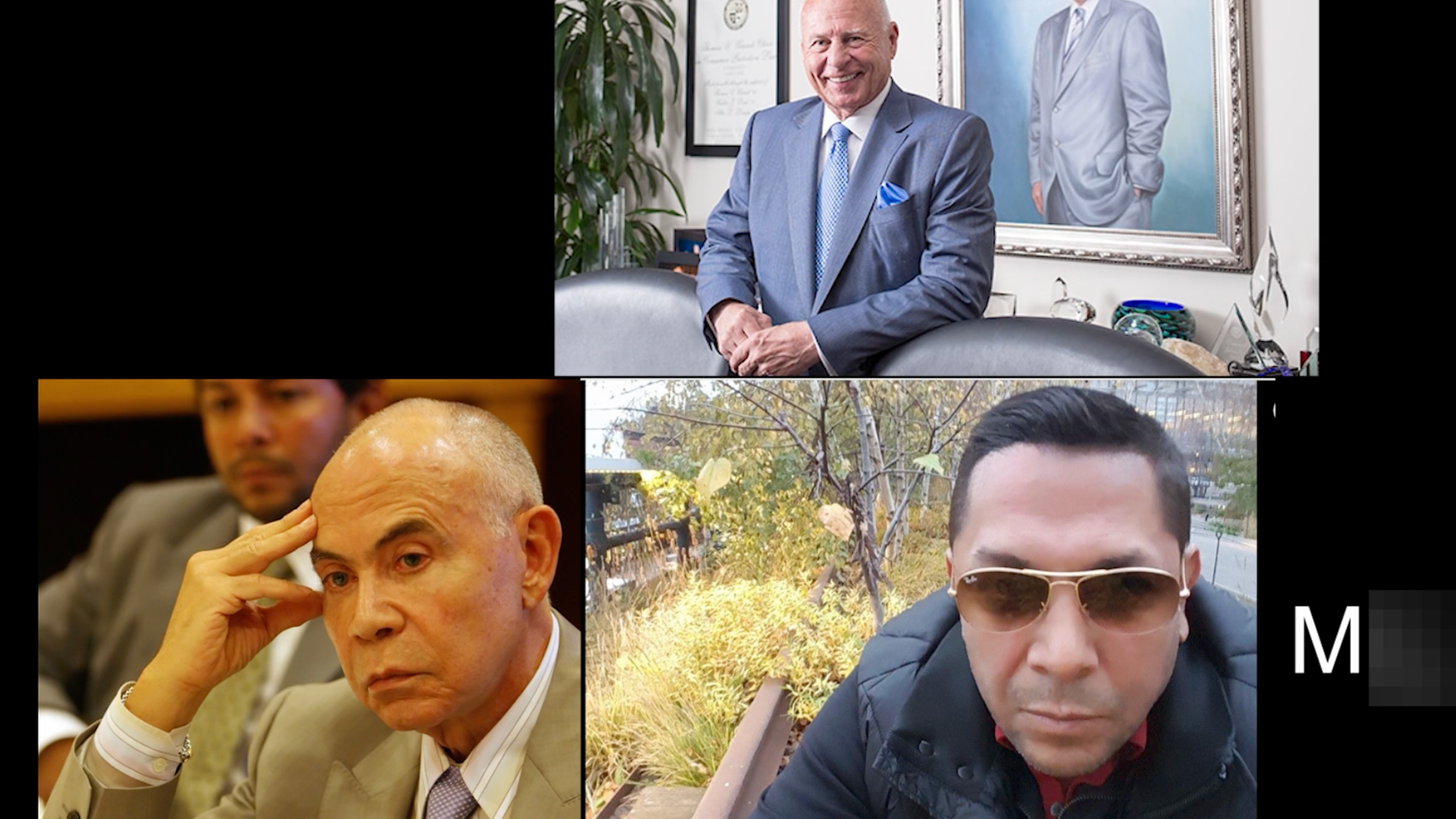
After quite a bit of digging I found M's middle name, which led me to his Facebook page, and a couple of images.
Which triggered this thought. Someone had earlier given me M's phone number. Why not try to contact him?
I heard M had been friends with Jamal Khashoggi, the journalist who was kidnapped and killed by the Saudi government. They both lived in the Washington, D.C. area, so this was plausible.
I texted M.
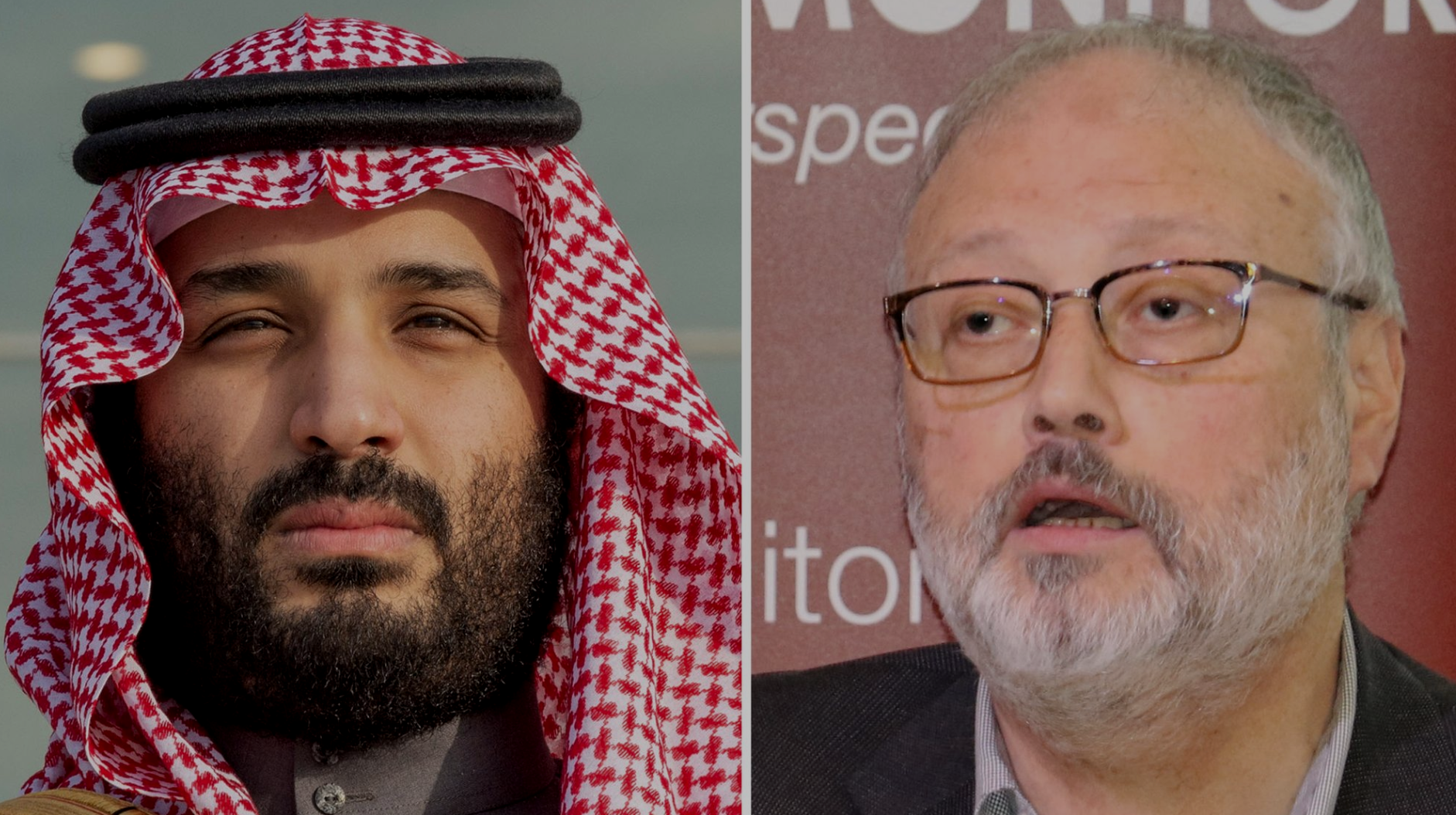
I explained what I was doing and expressed my condolences that his friend died so tragically. He answered, appreciating my words. Then the texting stopped.
It had started well. Why not push it?
The following day I phoned M. He picked up and we had a quality forty-minute conversation.
M gave me important insights and details about Girardi. Including that Girardi never paid M for the work he did in Indonesia finding clients such as Bias.
How much was he owed? I asked.
A million dollars, plus travel expenses.
Every source has a reason for talking on the record. Being angry about a debt is a good one.
M told me he had filed a claim with the Bankruptcy Trustee to recover the million dollars, an unsecured debt. That, he continued, makes going on camera complicated.
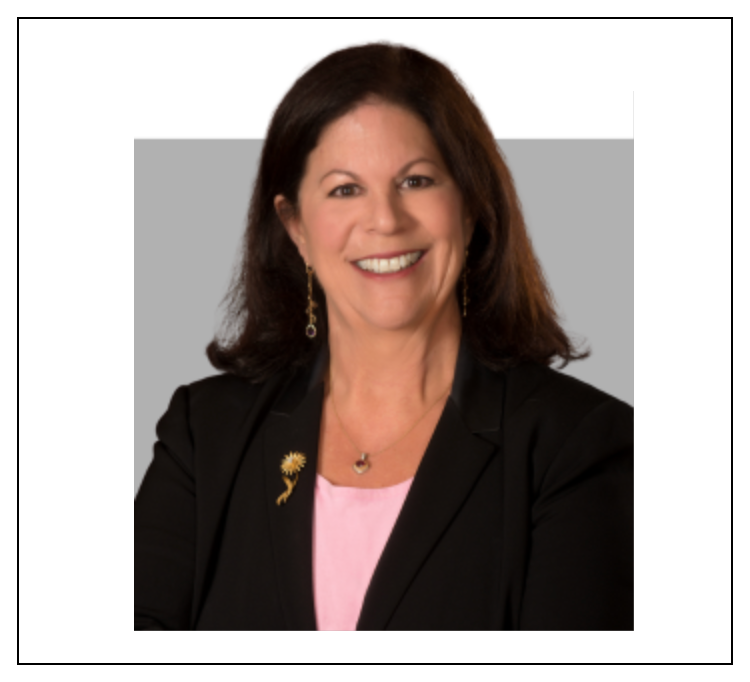
To me, it seems like apples and oranges. Being in this film won’t compromise M's standing with the Trustee.
Then again, I don’t know how I would feel if I had a million dollars at stake.
Comments ()