Editing, Brazil-Style
Documentary Notebook is a weekly newsletter for people interested in the state of the genre, people behind the camera, and the process of making documentaries.
Was away last week. Catching up now.
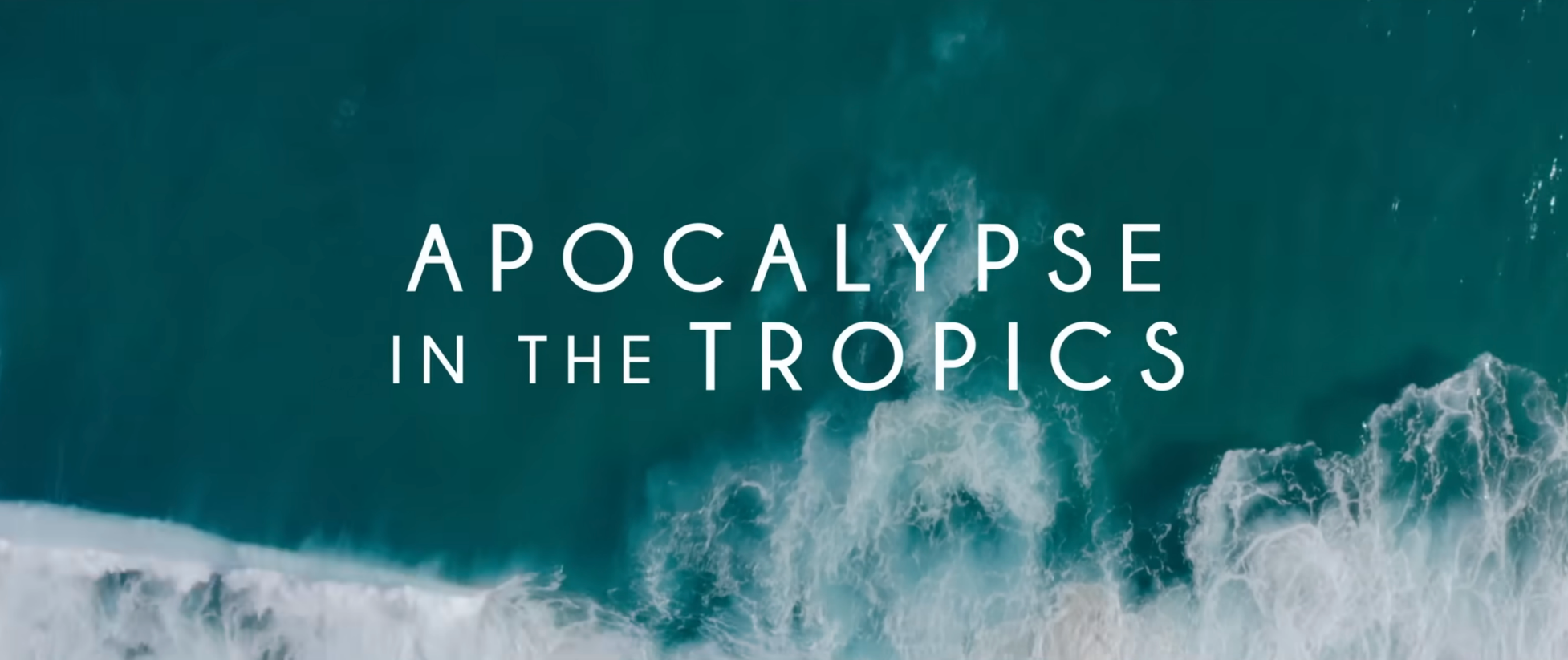
I recently watched Apocalypse in the Tropics. This feature documentary from Brazil directed by Petra Costa is about how Jair Bolsonaro’s autocratic presidency was enabled by a powerful Christian evangelist movement.
Bolsonaro was recently convicted and imprisoned for trying to overthrow the government after losing his re-election and conspiring to assassinate his rival, the current President, Lula da Silva.
Phew. That’s a lot for a logline.
The film nails this complex story with a powerful, dramatic, and moving portrayal of politics and religion that closely parallels what’s happening in the USA.
You can watch here.
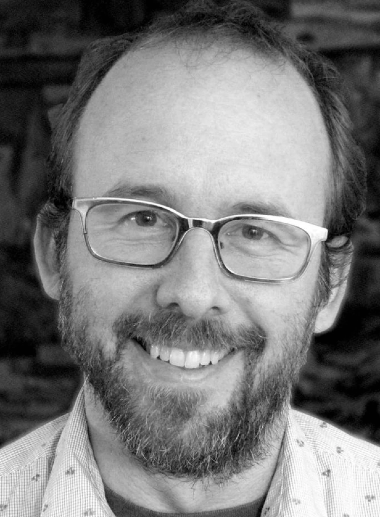
Just before seeing the film, coincidence or not, I saw on social media that Nels Bangerter, who worked on a film of mine, was not just one of the editors of Apocalypse in the Tropics, he and the other editors won Best Documentary Editing in the equivalent of the Brazilian Oscars.
Nels lives nearby in the Bay Area, and last week I spent some time with him to find out more about how the film came together and the editing challenges.
A bit more about the film before selections from my interview with Nels, which is edited for clarity and concision.
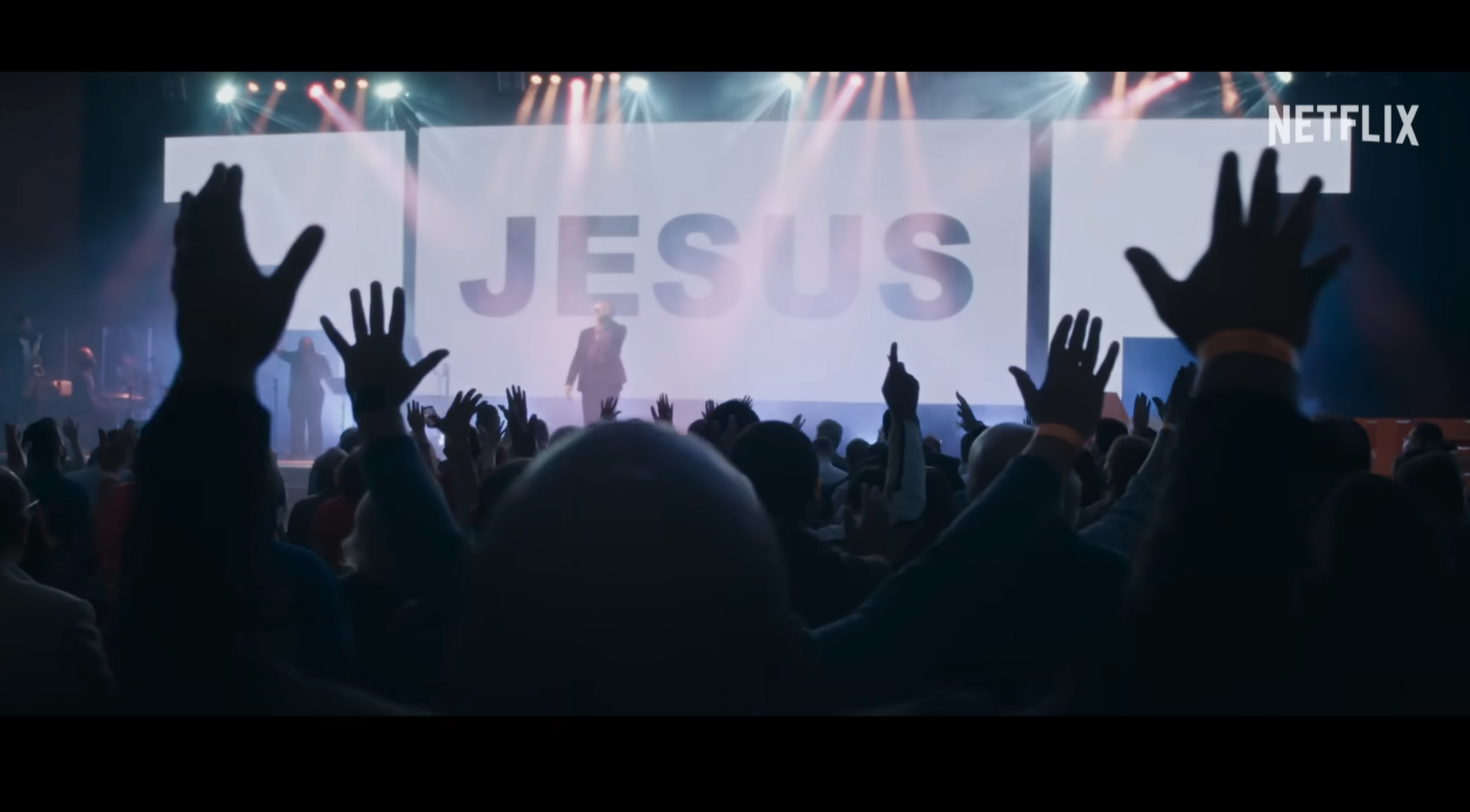
Apocalypse in the Tropics begins with the establishment of Brazilian democracy, the founding of its capital, Brasilia, and building the government center.
This is an important marker — physically and for the storytelling. It’s a sacred political space that was invaded and trashed by angry Bolsonaro loyalists upset by his loss who were encouraged by him and his party.
(Sound familiar?)
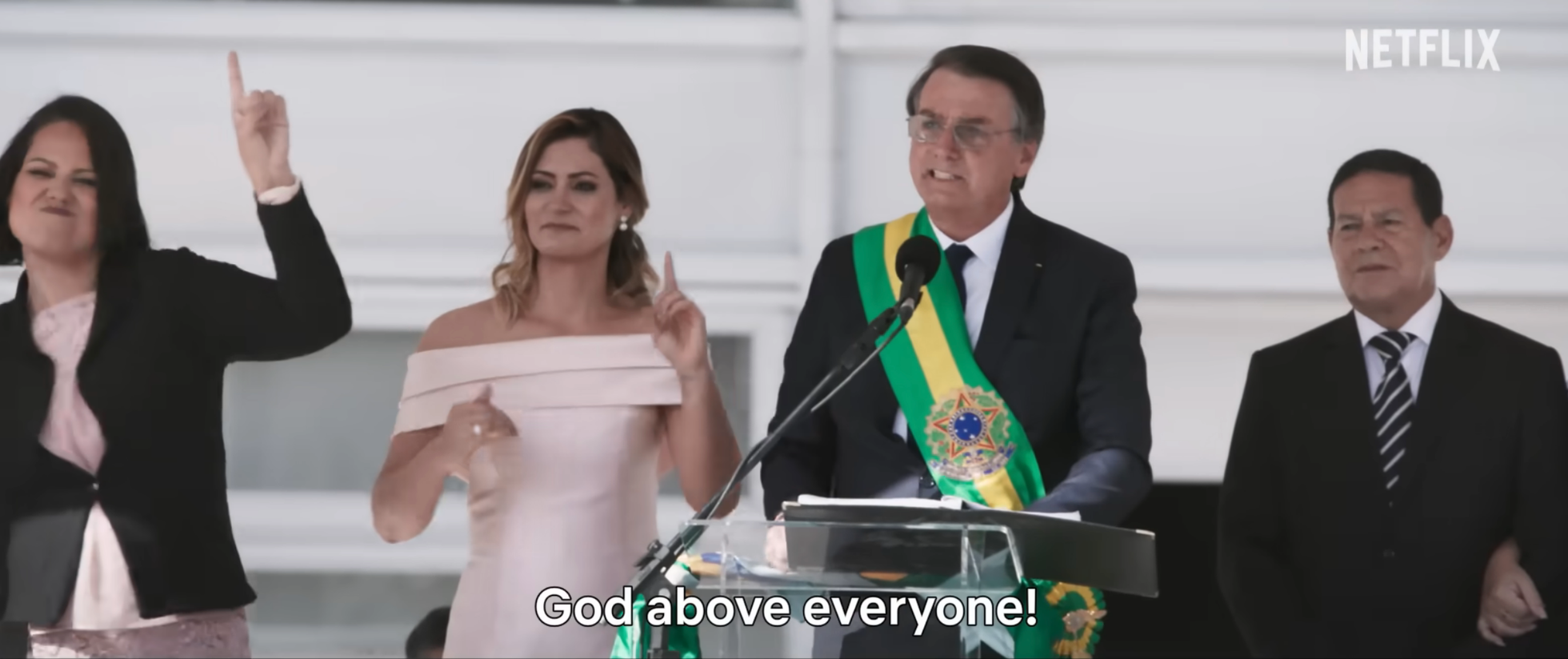
Costa had access to Bolsanaro when she made her previous film, The Edge of Democracy, about his initial rise to power. That film was nominated for a 2024 Documentary Feature Oscar.
As Nels told me, some footage that was shot during production of the first film was incorporated into this one. So, it’s kind of a sequel.
In this film the on-camera antagonist is not so much Bolsonaro, as Silas Malafaia, an evangelical leader who galvanized his flock, as did other Christian right pastors, to get behind this right-wing Christian leader.
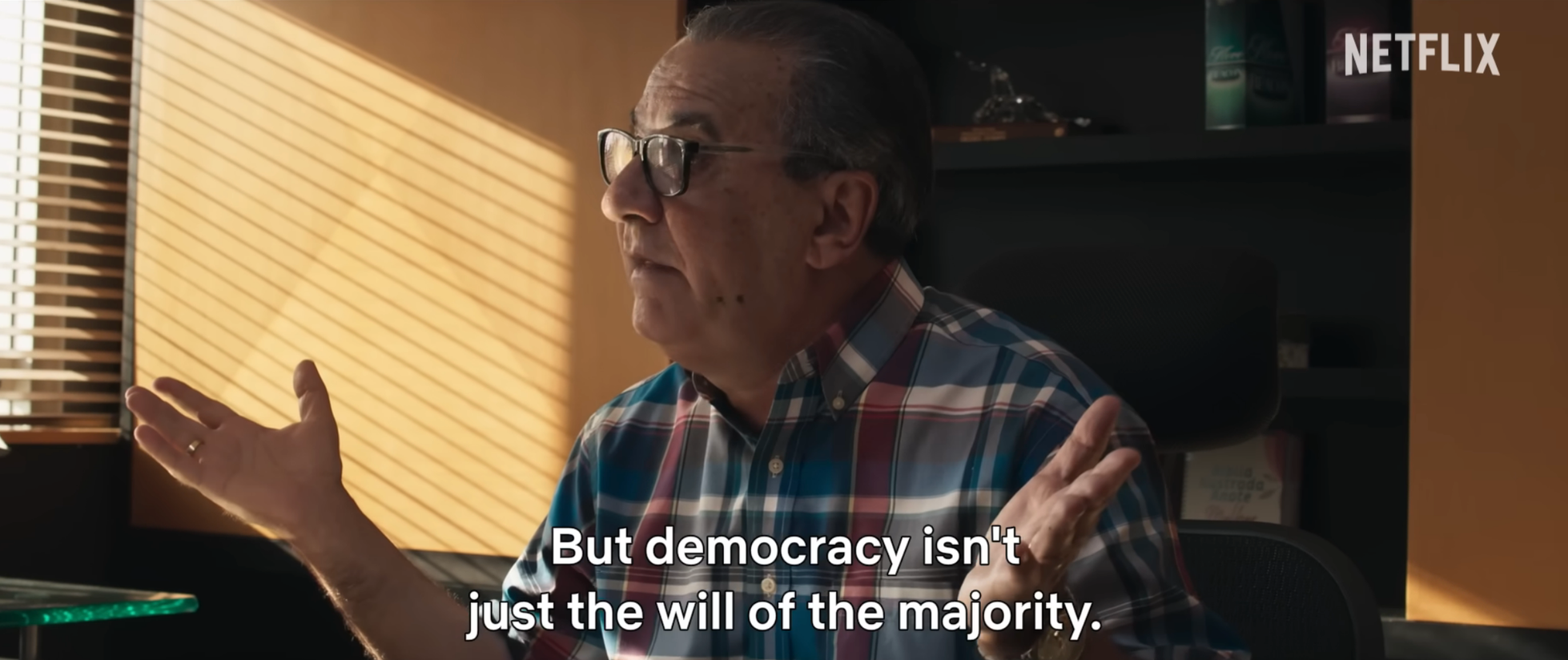
Malafaia gave Costa amazing levels of access, so we get to know him as not just a powerful public figure, but also as a person, behind the scenes. Which makes his role in the Brazilian story even more compelling because it’s three-dimensional.
The Interview.
CK: So, you won a Brazilian Oscar!
Nels Bangerter: It’s called a Prêmio Grande Otelo to honor the iconic Brazilian actor Grande Otelo, a Brazilian silent film star who is cartooned into this little statue.
CK: Did you go to the awards?
NB: They offered to pay my flight — but only from within Brazil. So, no unfortunately. I hope they have enough awards to send out! There were six of us editors. Tina Baz, David Barker, Jordana Berg, Victor Miaciro, Eduardo Gripa, and myself.
CK: Why was that?
NB: It was a tag team for the most part. People work for a while, then move on to a different project and may not be available to come back. David Barker, for example, was watching cuts I was working on and giving us feedback. He was on a camping trip when he was watching! Which I could barely believe. Super helpful, but are you sure you want to take time out of your camping trip to talk to us?
CK: How did Petra find you?
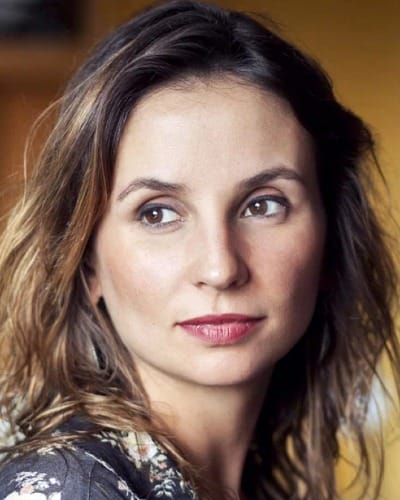
NB: I got a call from her about helping to finish the film. It was probably word-of-mouth. Which is how most jobs arrive. But I do put my email and phone number on my website. So, if you hear of me, you can find me.
CK: Was the film pretty far along at that point?
NB: Yes, there was a pretty advanced rough cut.
The team agreed we’re just going to rework one section, the one about Billy Graham coming to Brazil, which is really fascinating. We ended up working on more and more sections of the film. I think we originally planned 4 to 6 weeks for me, It went to something like 10 weeks.
CK: This was all virtual?
NB: Mostly. First in Berlin, where I was living for a year with my family while my wife had a fellowship there.
But I did go to Brazil twice, to Sao Paulo, to work in person. There are certain parts of the editing process that I love doing remotely. And I think a lot of directors trust me to make good decisions on the edit.
But there's always parts of the process where you want to hash out shot-by-shot. Such as, "what's the timing through here?"
You need to be in the same room to make those nitty gritty decisions.
CK: Fiery moments in the film are interspersed with quiet visuals where I could breath and absorb.
NB: Petra and I were always really interested in, you could call them, arty elements. Saying “cinematic” feels cliched because we're always trying to get contemplative spaces within the film.
There's voiceover in some of those quiet sequences. But mostly a counterpoint to the wild, hectic Brazilian political situation.
CK: Which makes me want to ask about your writing credit.
NB: Petra does the voice over narration. She’s really effective at this — writing and performing. But yes, I worked with her to write that material, as did David Barker and the other editors.
CK: One “quiet” sequence that struck me was about Covid in Brazil, which had a huge impact on the political mood and even the election results. We hear actual recordings of people dealing with Covid. But we’re seeing impressionistic images of clouds.
NB: The Covid section was a hard call because we were hearing while we were editing that festival programmers were tired of Covid films. But we agreed that it was critical to the film. So, we thought, how can we make sure that we do it in a way that's fresh or deep?
CK It works for me! We may actually pay more attention when what we see on screen does not exactly correlate to what we hear.
Comments ()