Documentary vs. Feature Conversation with Walter Murch
Documentary Notebook is a weekly newsletter for people interested in the state of the genre, people behind the camera, and the process of making documentaries.
In the previous Notebook, I wrote about documentaries that inspire fiction features, and vice-versa.
To follow up on that theme I spoke with Walter Murch — esteemed film editor, sound designer, sound mixer and author — about the differences and similarities he’s experienced editing both kinds of movies.
This is Part I of is a two-part installment.
Walter won Oscars for film editing on The English Patient, and for sound on The English Patient and Apocalypse Now.
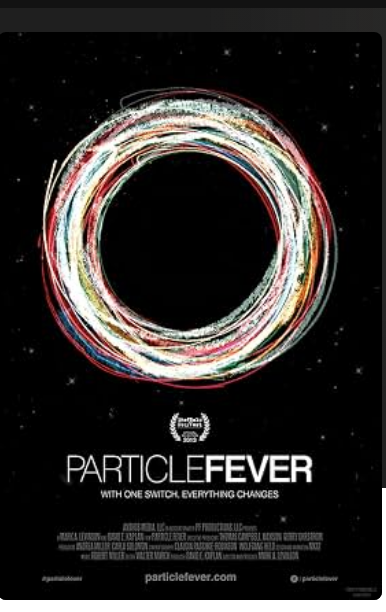
He’s edited several documentaries, including Particle Fever about the discovery of the Higgs boson particle, and Coup 53 about the CIA’s overthrow of Iran’s prime minister, Mohammad Mosaddegh.
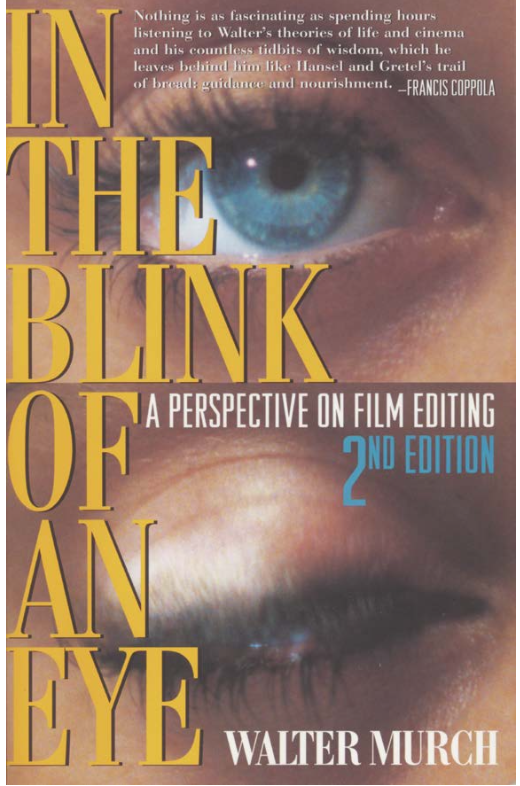
Walter is author of In the Blink of An Eye – a seminal book about film editing — and a new book, Suddenly Something Clicked.
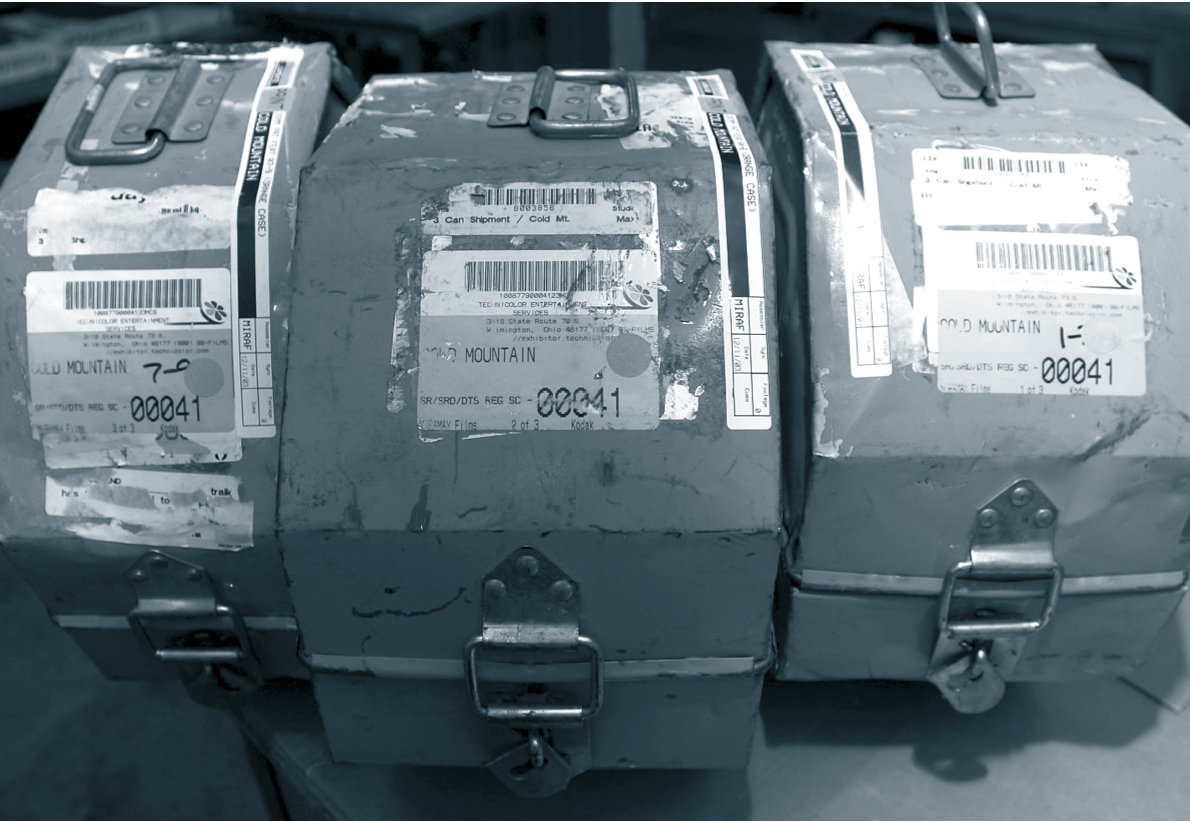
Walter and I first met in the mid 90s when I was preparing to shoot my dramatic feature film, Dumbarton Bridge, for which he was Consulting Editor. Subsequently I wrote Behind the Seen, a book about the making of the film Cold Mountain from Walter, the editor's, point-of-view.
We spoke last week by phone while he was in London, where he lives part of the year. The interview is edited for clarity and concision.
CK: How do you prepare to edit a documentary, as opposed to a dramatic feature?
WM: I approach the work identically when documentaries have a script, The real distinction are films like Particle Fever or Coup 53 that have no script to begin with.
There was an assembly cut for Particle Fever when I came on. The editor who had been on it had to go to another project. So, at least there was an approach to the structure when I took over.
CK: An unscripted documentary with a lot of shot material — you look at all the material and then write a script?
WM: Yes. In Coup 53, some interviews had been shot and some archive material had been assembled. I looked at everything and took detailed notes. I also took snapshots of each setup and put them on a piece of foam core, so I had a record, a visual record, of each shot.
CK: I remember those picture boards from when you were editing Cold Mountain.
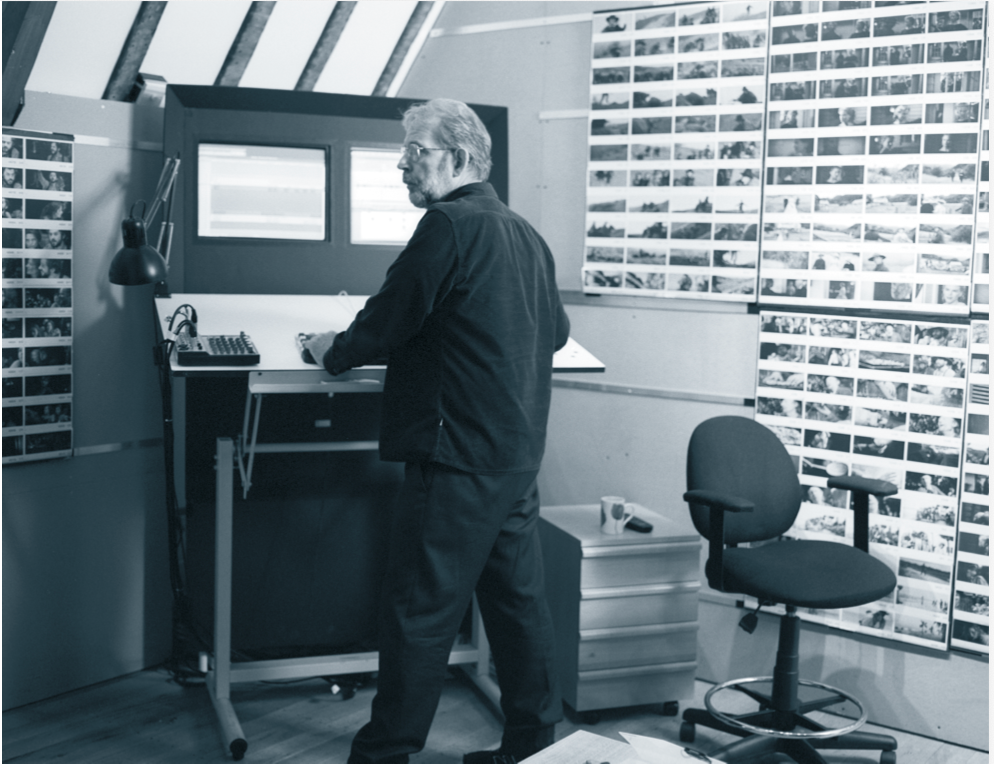
WM: I came up with that tool when I was going to edit The Right Stuff in the early 80s. We had planned to incorporate documentary material into the film. So I went to Washington, D.C. to comb through NASA's archive of 16mm film of rocket launches and the early Mercury program. I took snapshots of the material as a way to log what was available.
This was also how I approached The Conversation. I had probably 40,000 feet of 35-millimeter film (seven and-a-half hours) just of the young couple walking around Union Square as they were photographed by hidden cameras in a real-life situation, documentary-style.
They were saying lines that were in the screenplay, but I had this [documentary-type] experience trying to figure out how to integrate all that material.
CK: So, incorporating documentary style filming into a dramatic feature. Kind of ahead of its time. Something quite common now.
WM: That's how we shot the wedding scene in The Godfather, with four cameras. Frances directed as if he was a for-hire wedding director. I didn't edit that picture. It was Bill Reynolds and Peter Zinner.
Probably 80% of that sequence was grabbed on the hoof.
So, back to Coup 53. Once we looked at everything that was filmed so far, Taghi Amirani (the director) and I sat down with the picture boards and started putting a structure together.
If I can get on a soapbox here. In those cases, the editor needs to have a co-written by screen credit because that's what you're doing. You're coming up with a structure that emerges out of all the material that's shot
CK: How does your editing process in a dramatic film differ from documentary?
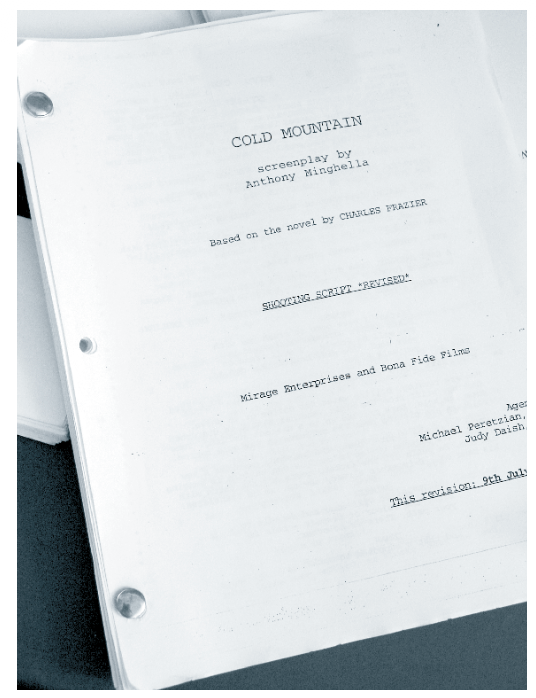
WM: With Cold Mountain, for example, I’m assembling the film while it’s still being shot. And without the director's presence in the edit room.
CK: Sounds like building the plane while it’s flying.
WM: During the first third of post production, working on location in Romania, I was editing each scene in isolation. I hadn’t seen footage for the scene prior to the one I was working on, nor the one after. Those scenes hadn’t been shot yet! So, you make an educated guess about the missing footage.
If you're lucky, you’re only a couple of weeks behind the filming. Gradually the checkerboard gets populated.
CK: And with documentary?
WM: I start from the beginning, assembling material. It’s what I jokingly compare to churning butter.
You get the material and start churning it, moving it around, seeing how it responds to being juxtaposed with different elements. At a certain point, it begins to clump together like butter. Then you refine that and you refine it again, and show it to the director. And then you make some more changes.
CK: Other differences between the two genres?
WM: With Coup 53, for example, it was a one-camera shoot. The person on camera is only going to say that line once. Even if you were shooting two cameras, it's the same reading of that line and you must find a way to make that singularity work.
With a feature — I'm just averaging out here — there are maybe twelve setups for a scene. Each setup might have seven takes. So, twelve times seven is eight-four different line readings from different camera positions. The actors inflect slightly differently each time. So, your job as an editor, among all the others, is an interpretive one. Picking what you think is the best reading of that line of dialog.
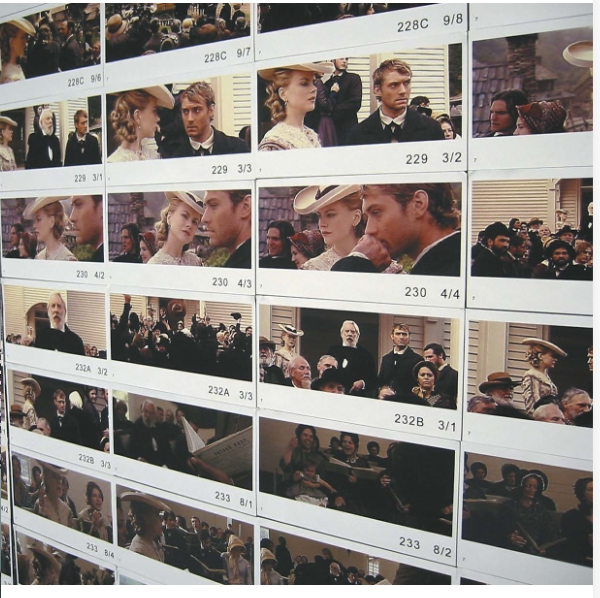
You inch your way through the scene, keeping an eye on the interpretation: When is the scene going to hit its maximum force? Who becomes more powerful than the other person in this scene. When does it happen? What's the best camera angle for that moment?
CK: With documentary you're at the other extreme: one take, one interpretation, one reading. So the only variable to provide context, lift, or meaning is what shot you choose to put before and after it.
WM: That’s right.
Comments ()