Act One, On to Havana
Documentary Notebook is a weekly newsletter for people interested in the state of the genre, people behind the camera, and the process of making documentaries.
It does feel like a milestone of sorts. Editor Graeme Butler delivered a rough cut of the first act of the Tom Girardi film a couple of weeks ago.
This feature documentary is about the crooked attorney who stole millions from clients and lenders before and during the time he was married to Erika Jayne, a star of the Real Housewives of Beverly Hills.
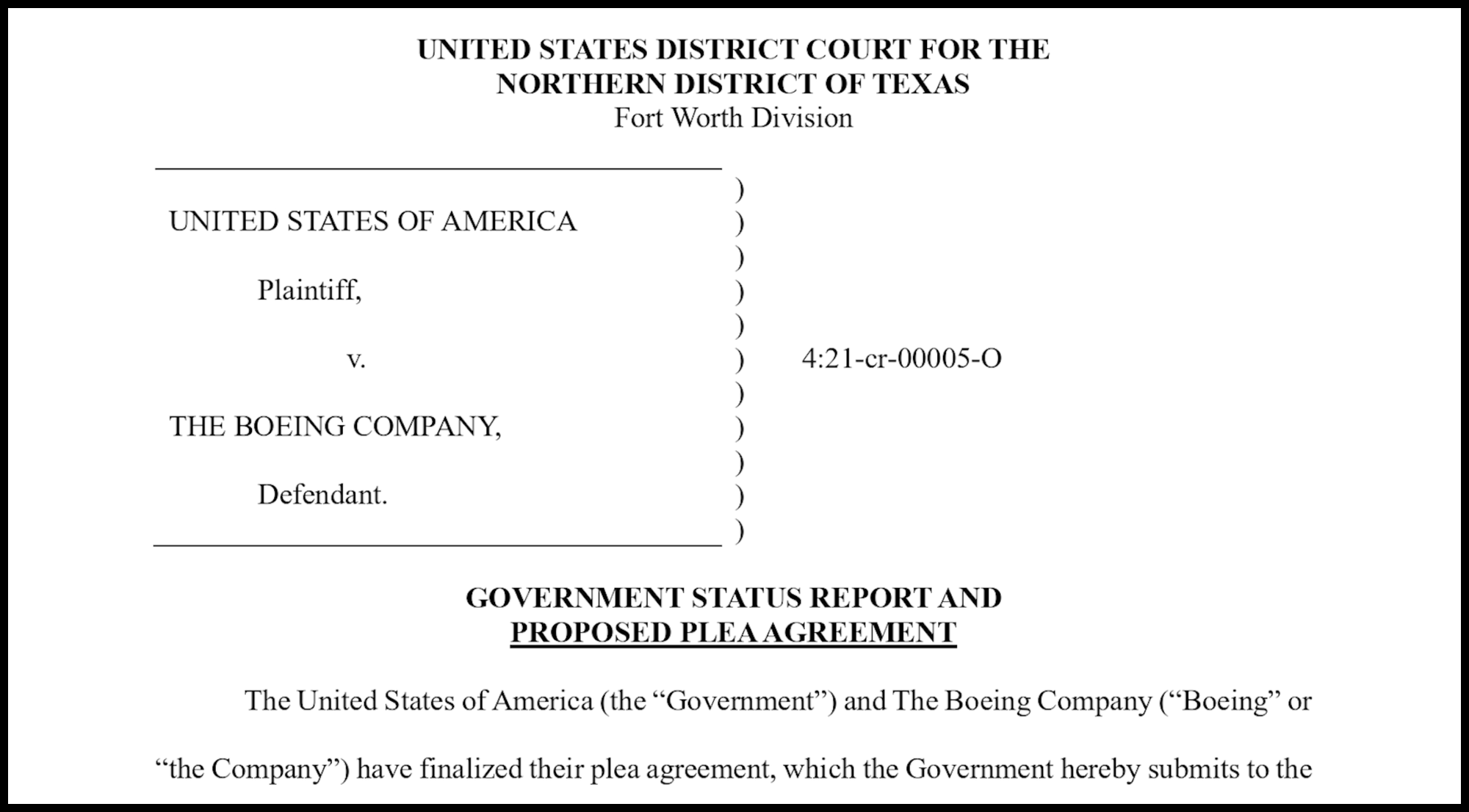
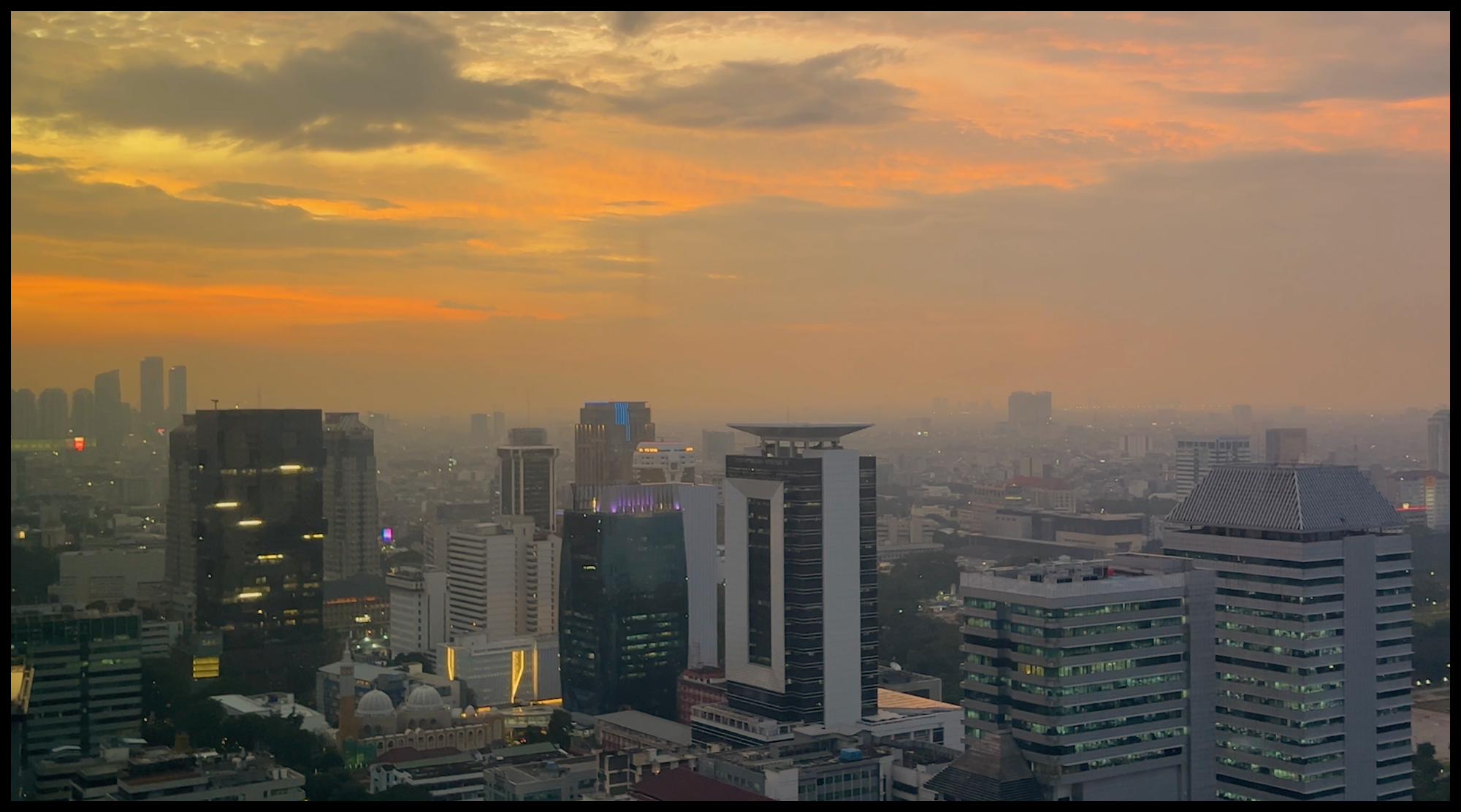
Girardi settled with Boeing over the 2018 Lion Air crash in Indonesia. Then he kept the millions of dollars he negotiated from the company for the families of the victims.
I filmed over a period of four and a half years. There’s about 130 hours of raw footage.
Last summer I handed Graeme a first assembly of just over two hours which told the story in rudimentary, linear fashion. Typical for an assembly when you just want to get everything that seems important down in place.
My idea was to create a compilation which an editor with chops could evaluate with fresh eyes. And slice, dice, and rearrange things more dramatically.
Film editors want to watch everything to know what they have to work with. In a documentary with this amount of footage that might take a month or more. We took a shortcut so Graeme could start right away on the rough cut.
Along the way he shared his recut sequences with me so we could discuss each segment before moving on to the next one. That way I could see how his ideas for restructuring might work and whether we should make any adjustments.
Graeme pushed through without stopping to adjust the color or tweak the sound. Which is fine when only a director and editor are screening for structure and story. Not up to snuff for showing anyone else.
Clips from within a single interview that are shot using available light, like a nearby window, won’t match because the the sun doesn’t stay in the same place. And then clouds may move in so camera exposure settings have to keep up. Or not!
That means doing color correction shot-by-shot. A tedious process normally handled by a “color grader”.
Likewise, audio tracks vary widely in level and quality. Scenes get shot using different types and models of microphones. Mic placements vary. Then there’s ambient sound when filming outside.
Dialogue may be difficult to understand. Volume levels which jump around are noticeable. If not addressed these audio differences can take an audience out of the movie.
These are predictable problems.
That’s why a sound editor gets brought in to do her magic, applying filters and effects to sweeten the audio.
Later, a sound mixer adjusts levels, applies equalization (bass/treble), and performs lots of magic so the entire film sounds uniform.
Normally for a documentary it takes a mixer one hour of real time to mix one minute of film. An eighty-minute film might take up to eight days in a mix studio.
In lieu of hiring a proper sound colorist and sound editor and mixer, yours truly stepped in to polish act one. It’s not perfect. But it will do. We can start getting “civilians” to screen it and give us notes.
So, what’s with Havana?
I leave Wednesday for several days in Cuba to continue work on an opera, Cubanacan, which I produced and wrote the libretto for. It's the first original Cuban opera in over sixty years. It premiered at the Havana Biennale in 2015.
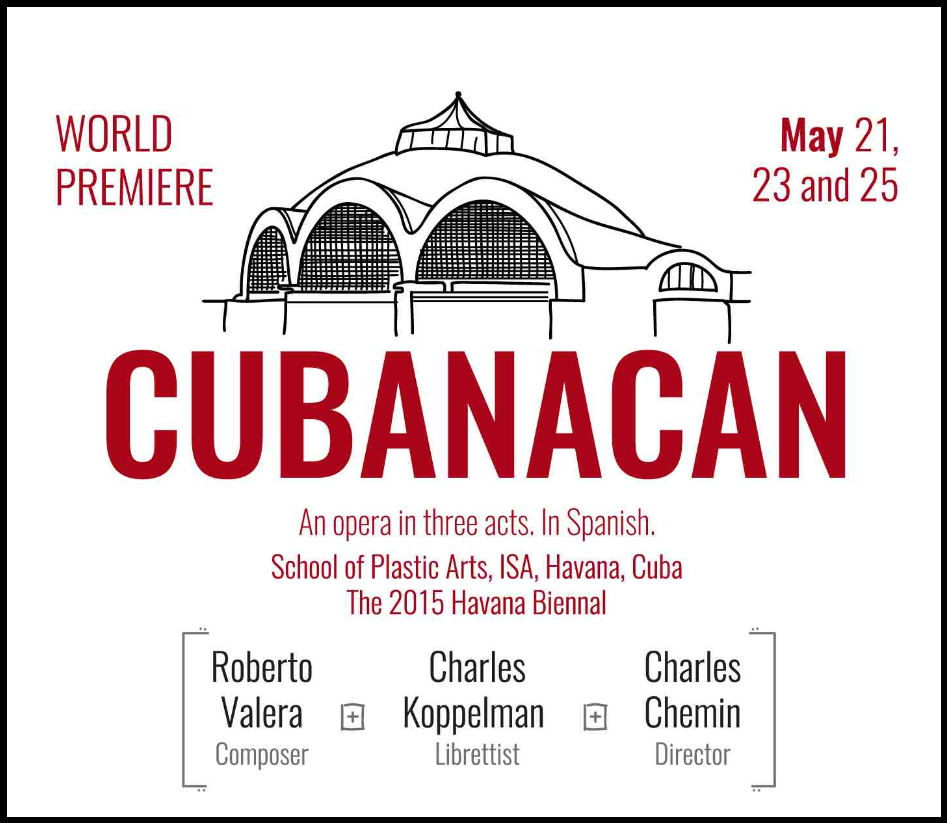
Courtesy of Bob Phillips, a friend of the opera, you can read about it here on Wikipedia.
What does an opera have to do with a documentary film?
For starters here is a five-minute documentary I made about the Cuban production.
Along the way I have been producing and directing a long form (and very long-term) documentary film — the making of this opera — which I began filming in 2005. That year we convened the first of several opera workshops at the late Robert Wilson’s Watermill Center in the Hamptons to start shaping the work.
Woosh. That’s twenty-one years.
I figure the final film will conclude with a scene from wherever the opera gets presented outside Cuba. That’s why I’m traveling to Havana. To meet with the opera's Cuban composer Roberto Valera about the next step: expanding the depth and breadth of the opera, its story, and the music. Then we can pitch it to opera companies and presenting venues worldwide to get commissions and commitments.
It's a lot like taking a film from a first assembly to a final cut. Re-conceiving, re-structuring, re-writing, and hopefully improving. Very different from starting from scratch.
Once material exists however rough and unfinished, it can be examined and re-shaped. I’m glad to be here and see the finish line around the curve rather than still be idling at the starting line.
Comments ()